



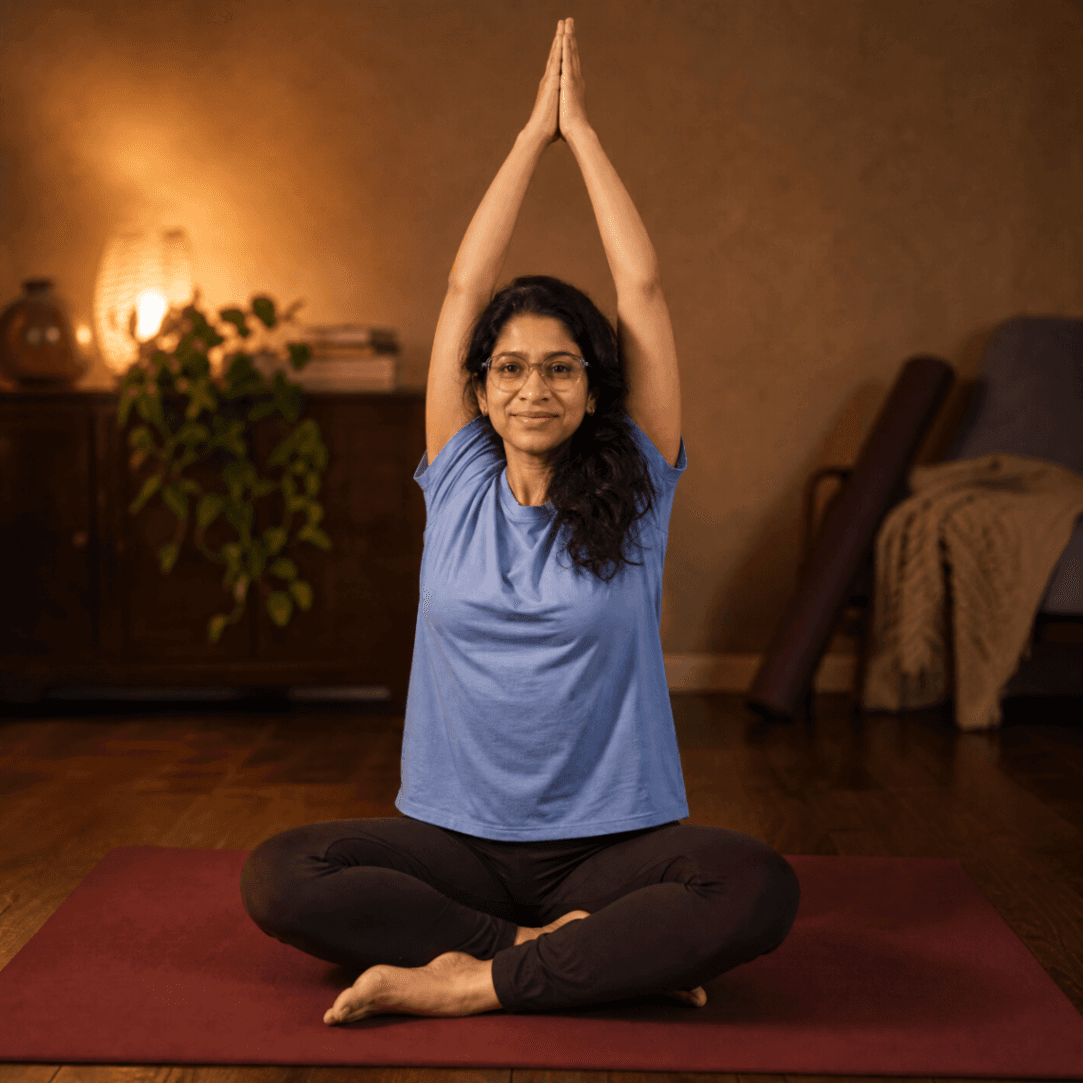
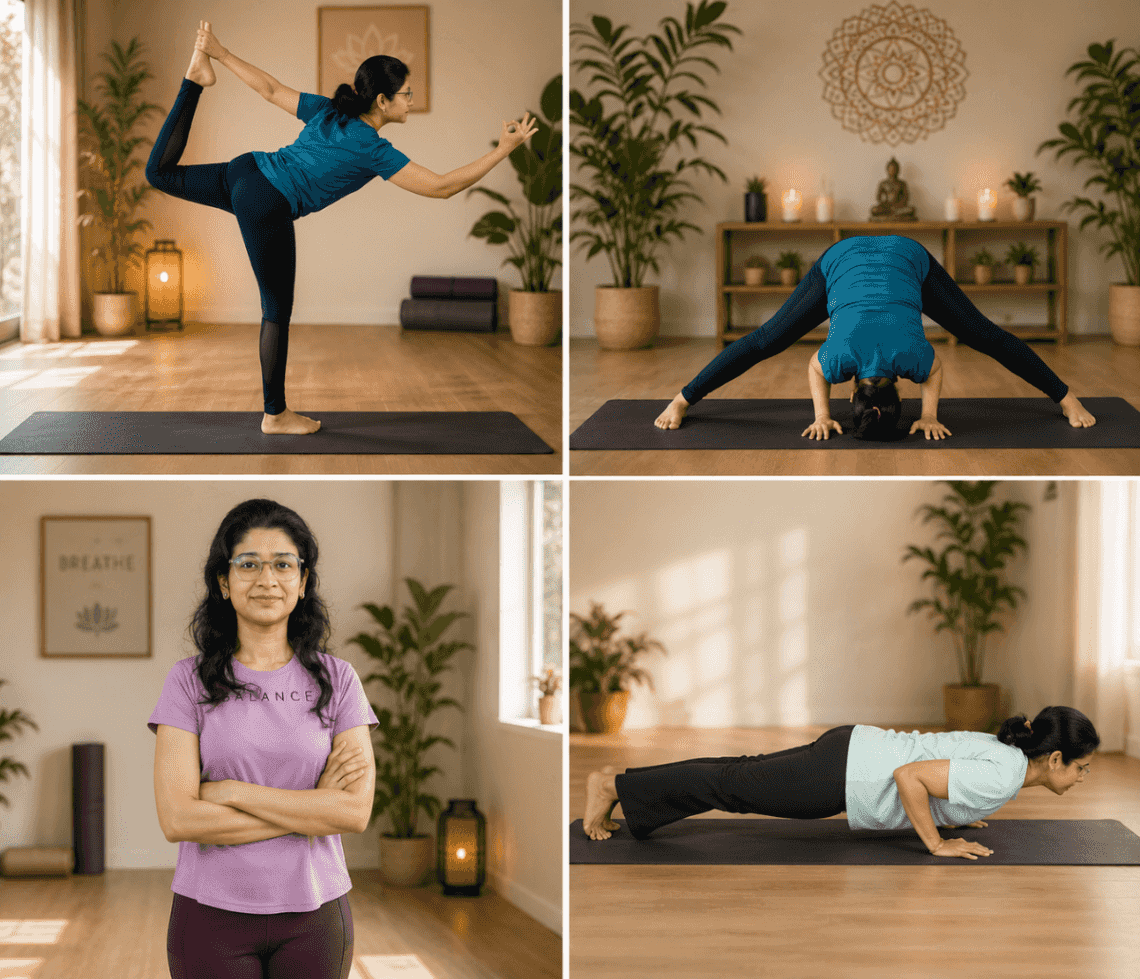
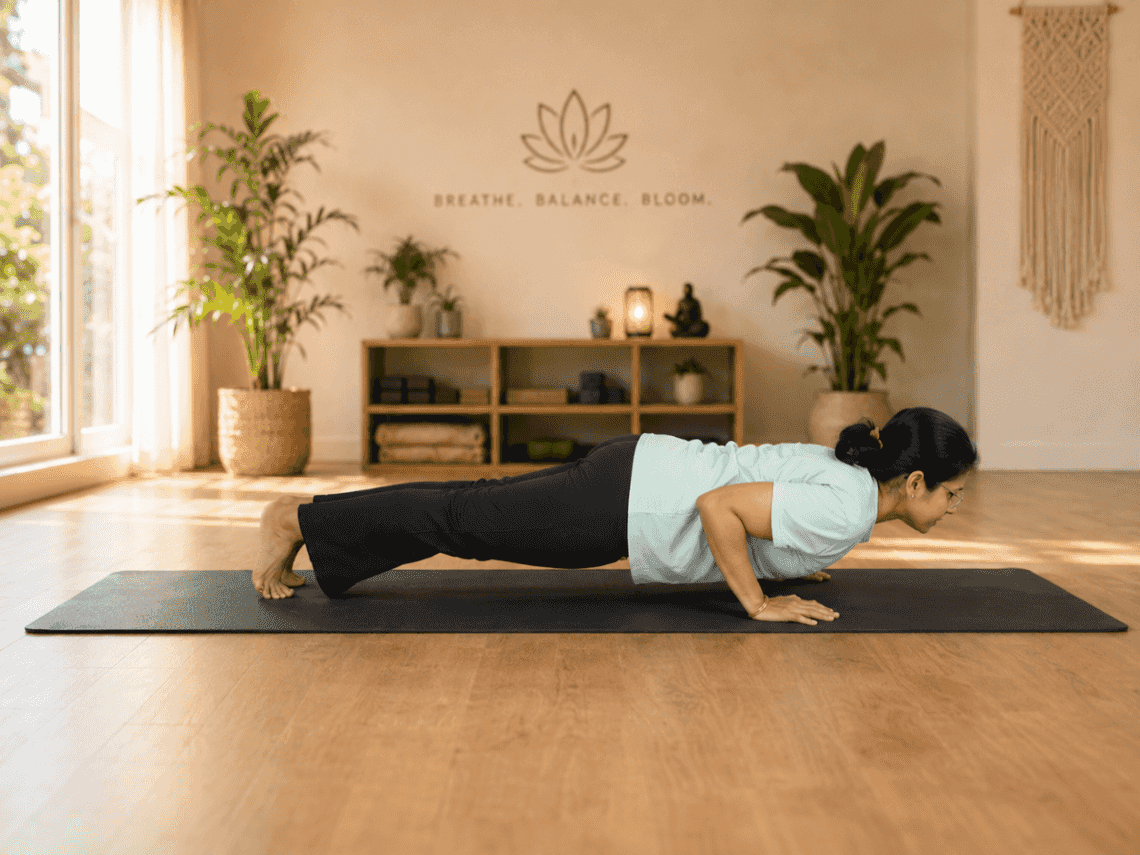


The biggest beginner mistake is not choosing the "wrong workout."
It is choosing a class that only makes sense on your most motivated day.
That is why so many people book something intense, aspirational, and impressive on paper, then quietly never return after the second session.
If your real goal is consistency, the best beginner online fitness classes are not the ones that sound hardest. They are the ones you can imagine saying yes to on an ordinary Tuesday.
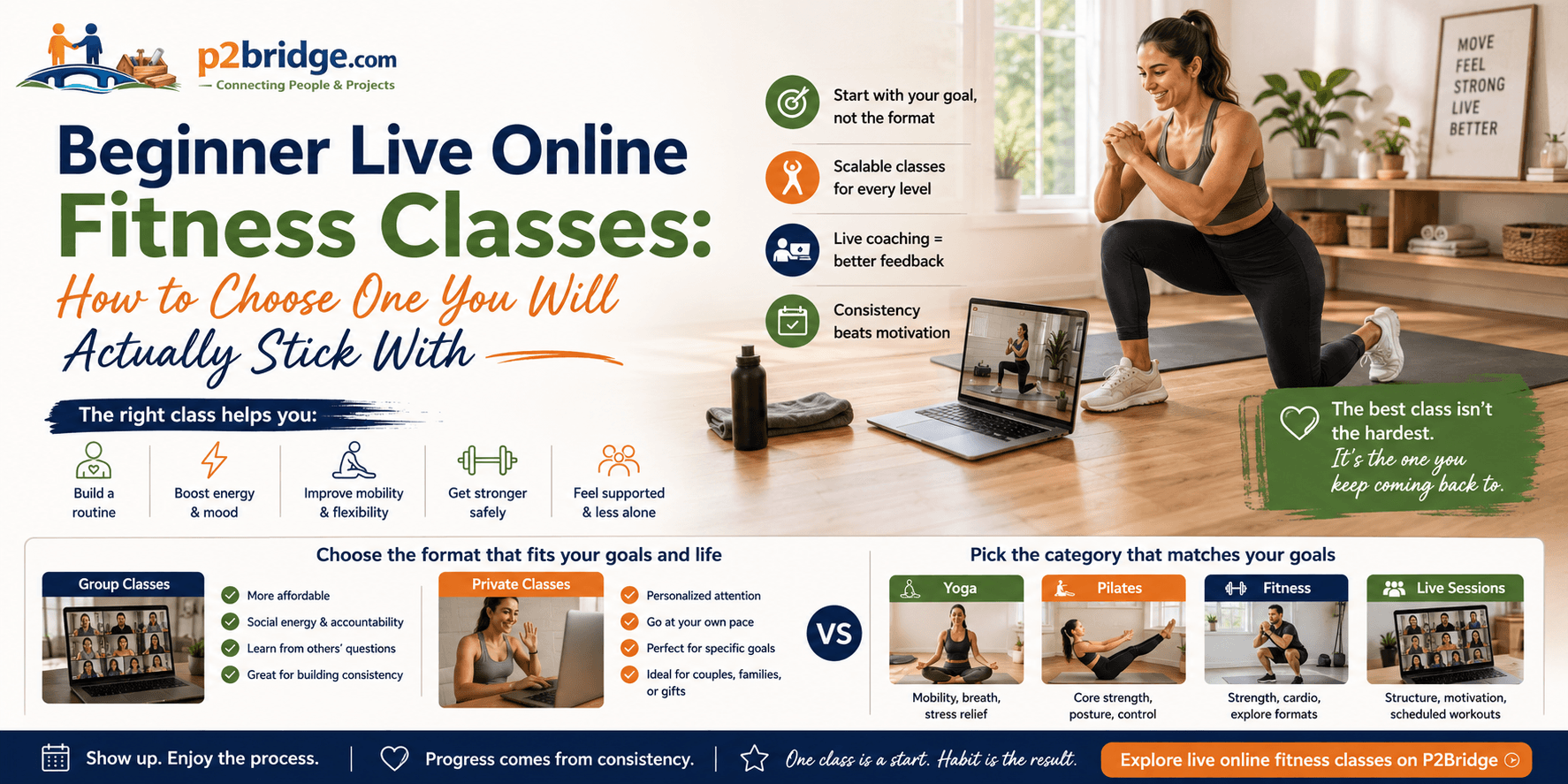
Start with the goal, not the format
People tend to shop by class type first.
Yoga, Pilates, HIIT, strength, mobility, kickboxing, dance. Fine.
But the smarter way to choose is to start with what you want the class to do for your life.
Usually the answer is one of these:
- build a routine
- improve energy
- feel less stiff
- get stronger
- move after a long break
- make exercise feel less lonely
Once you know that, the right format gets much easier to spot.
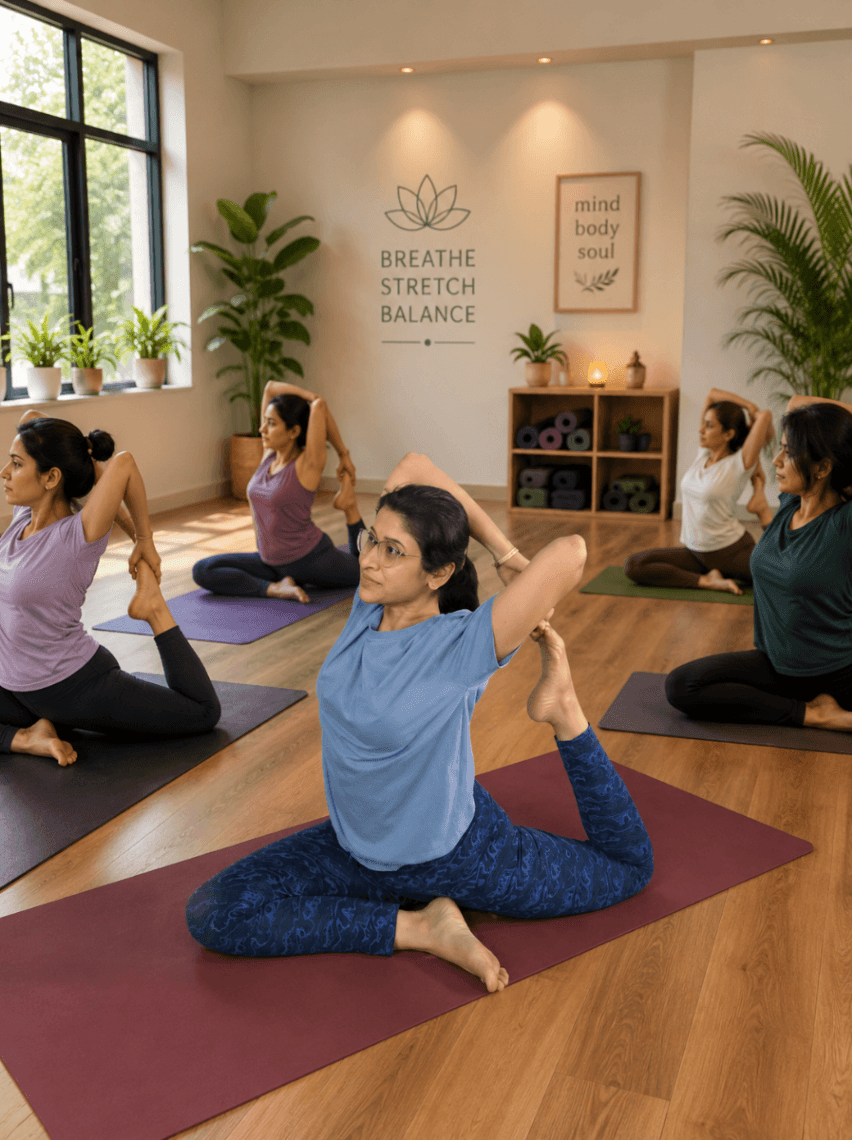
If you want lower impact and better consistency, yoga or Pilates may be the right start.
If you want more challenge and progressive strength, strength or conditioning may be better.
If you mostly need momentum and fun, dance or cardio-based formats may help more than a technically perfect program you never follow.
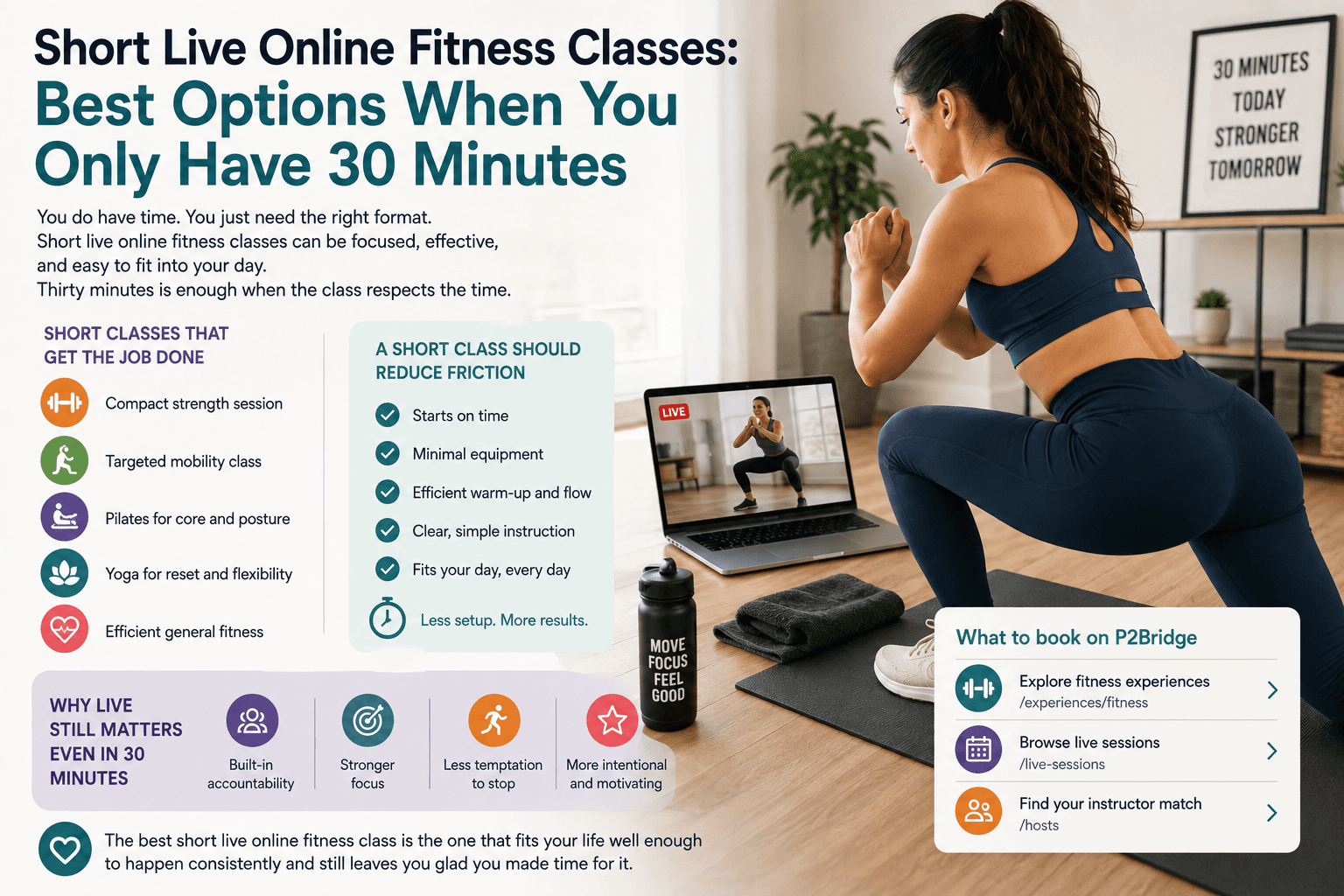
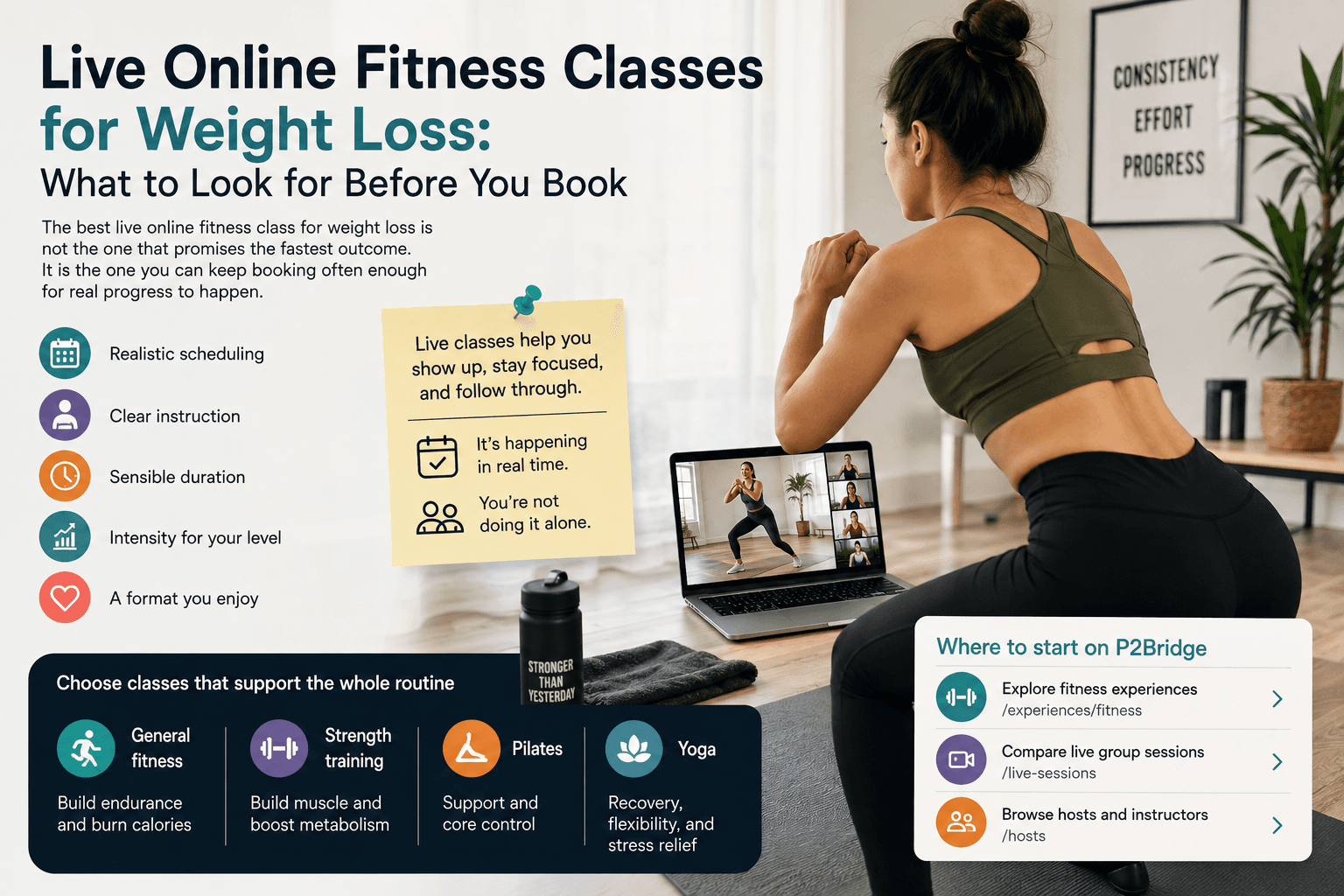
You can start broad by browsing live online fitness classes on P2Bridge.
The best beginner class should feel scalable
A class does not need to be easy to be beginner-friendly.
It needs to be scalable.
That means the teacher can offer:
- clear regressions
- pacing options
- realistic expectations
- cues for discomfort vs real pain
- a way to succeed even if you are not at the top intensity
Beginner-friendly does not mean soft. It means teachable.
The wrong beginner class is one where the only version is the hardest version. The right one is a class where you can participate fully even while modifying.
Live instruction matters because beginners misread themselves
This is where live beats on-demand.
Beginners are usually not short on content. They are short on calibration.
They often cannot tell:
- whether the class is too hard or just unfamiliar
- whether their form is acceptable
- whether they should push or back off
- whether the pace is sustainable for them
A live teacher can fix that much faster than a library of recorded videos.
That is especially useful during live fitness classes at home, where there is no studio energy carrying you and no one nearby to tell you that your setup, pacing, or alignment needs a small correction.
Group vs private fitness online
Group classes
Group sessions are the best default for most beginners.
They create structure, lower the price point, and make it easier to keep showing up.
There is also a psychological benefit: when the class is scheduled and real people are there, it feels harder to drift.
If you want that rhythm, look at live group sessions on P2Bridge.
Private sessions
Private sessions are better when:
- you want more accountability
- you are returning after a long layoff
- you have specific movement limitations
- you want a plan that is more tailored than general
- you are nervous about starting in a group
Private is not required for everyone, but it can be the better choice if hesitation, not effort, is your main barrier.
Choose a class you can recover from
This point is not glamorous, but it matters.
A beginner class should leave you challenged, not wrecked.
If the session hits you so hard that you dread the next booking, it is probably not the right on-ramp.
Sustainable training usually looks like this:
- you feel worked
- you understand what you did
- you know when the next session should be
- you are not negotiating with yourself for three days afterward
That is how habits are built.
Fitness that only works under perfect motivation is not really a system. It is a burst.
A simple way to choose on P2Bridge
If you are new and not sure where to begin, this is a practical decision tree:
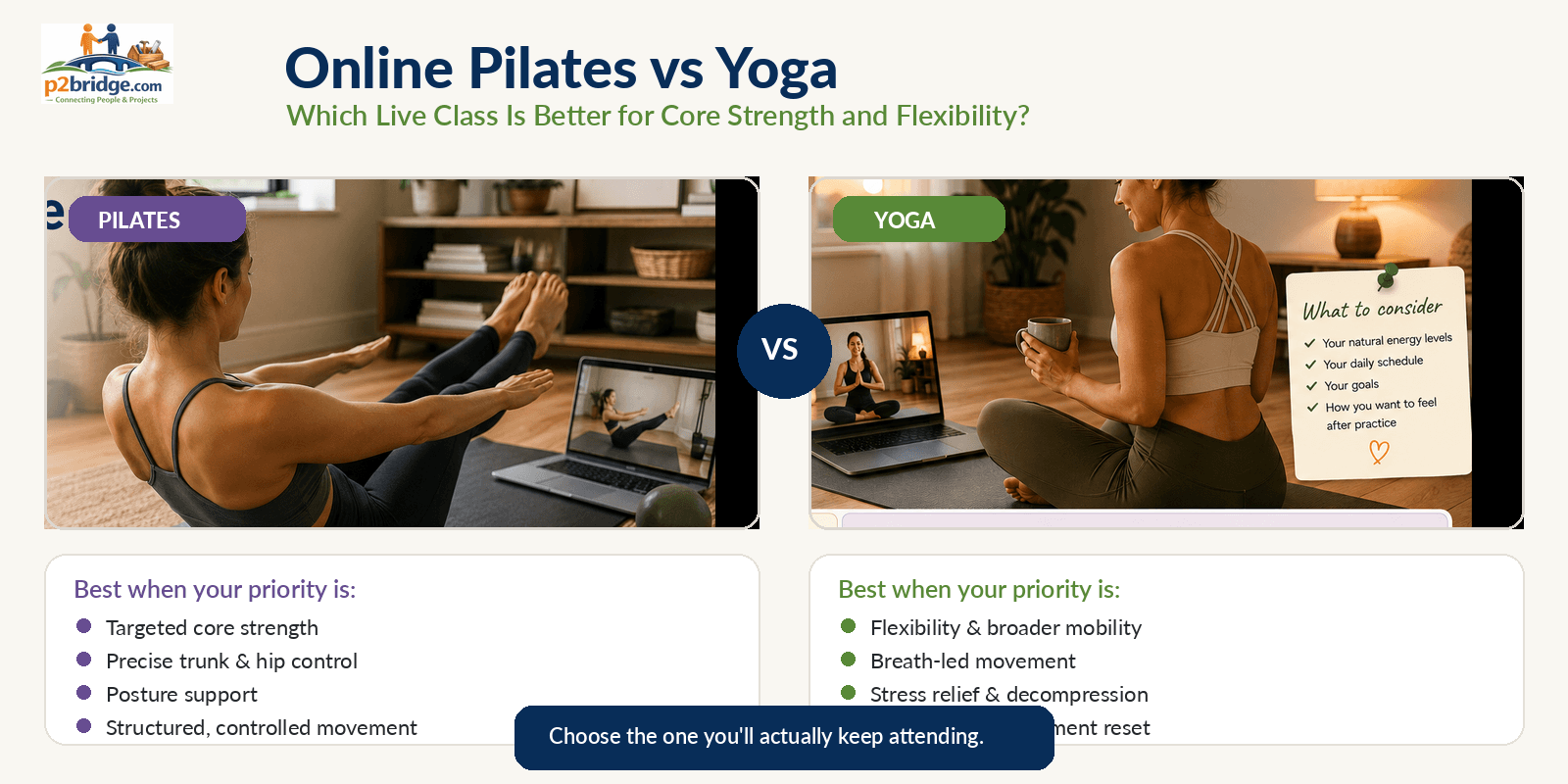
- choose yoga if your priorities are stiffness, mobility, breath, and steady habit-building
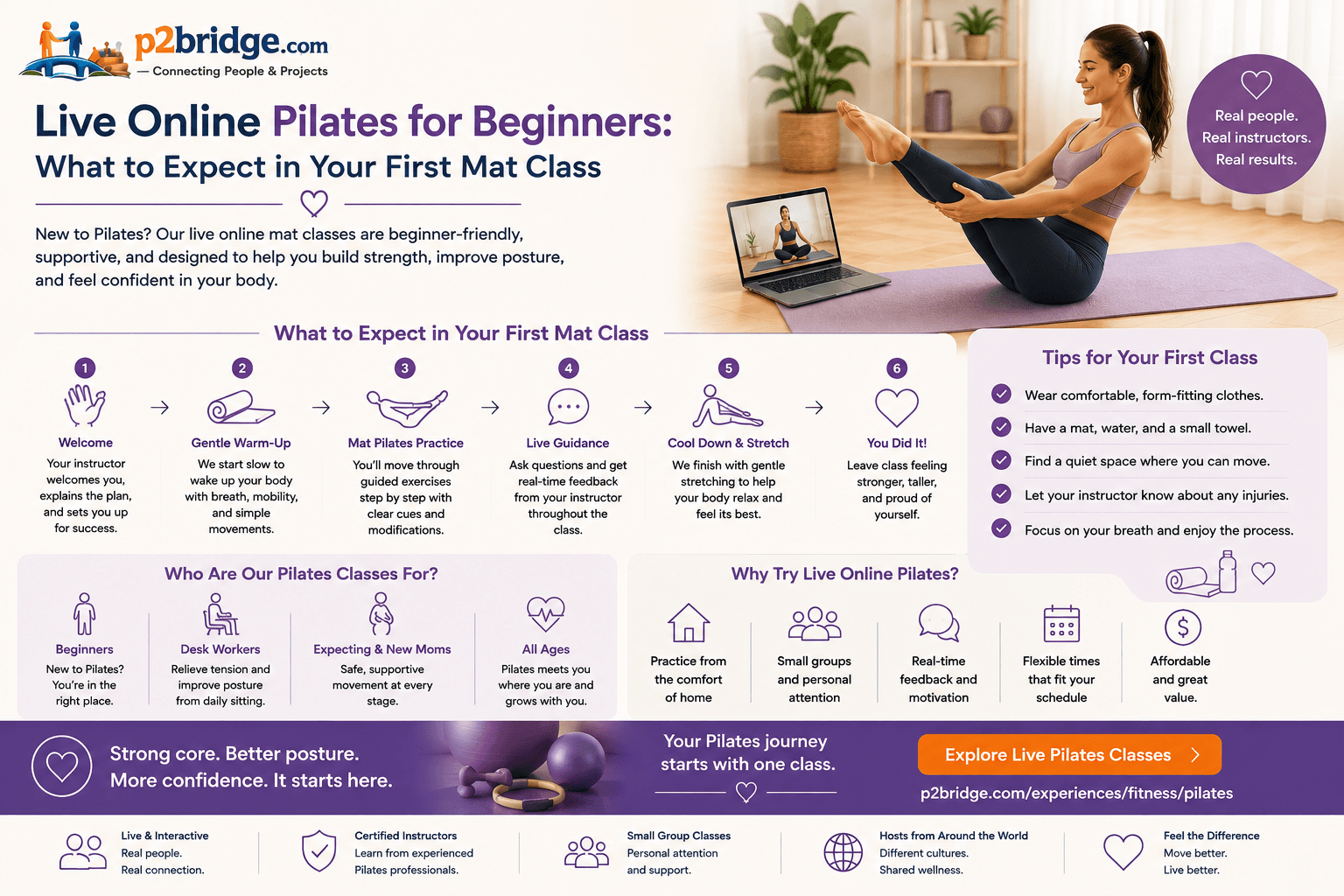
- choose Pilates if your priorities are posture, core control, and low-drama strength
- choose the broader fitness category if you want to explore different formats before committing
- choose group classes if you want structure and lower pressure
The best first class is not the one that proves something. It is the one that becomes the second class, then the third.
Final advice
Do not choose your first online fitness class for beginners based on what sounds most impressive.
Choose it based on what you will repeat.
That means picking:
- a teaching style you trust
- a pace you can sustain
- a format that matches your actual life
- a class category that solves the problem you really have
The right class should not just make you feel productive for one hour. It should make staying active feel easier next week than it felt this week.
That is the standard that matters.