



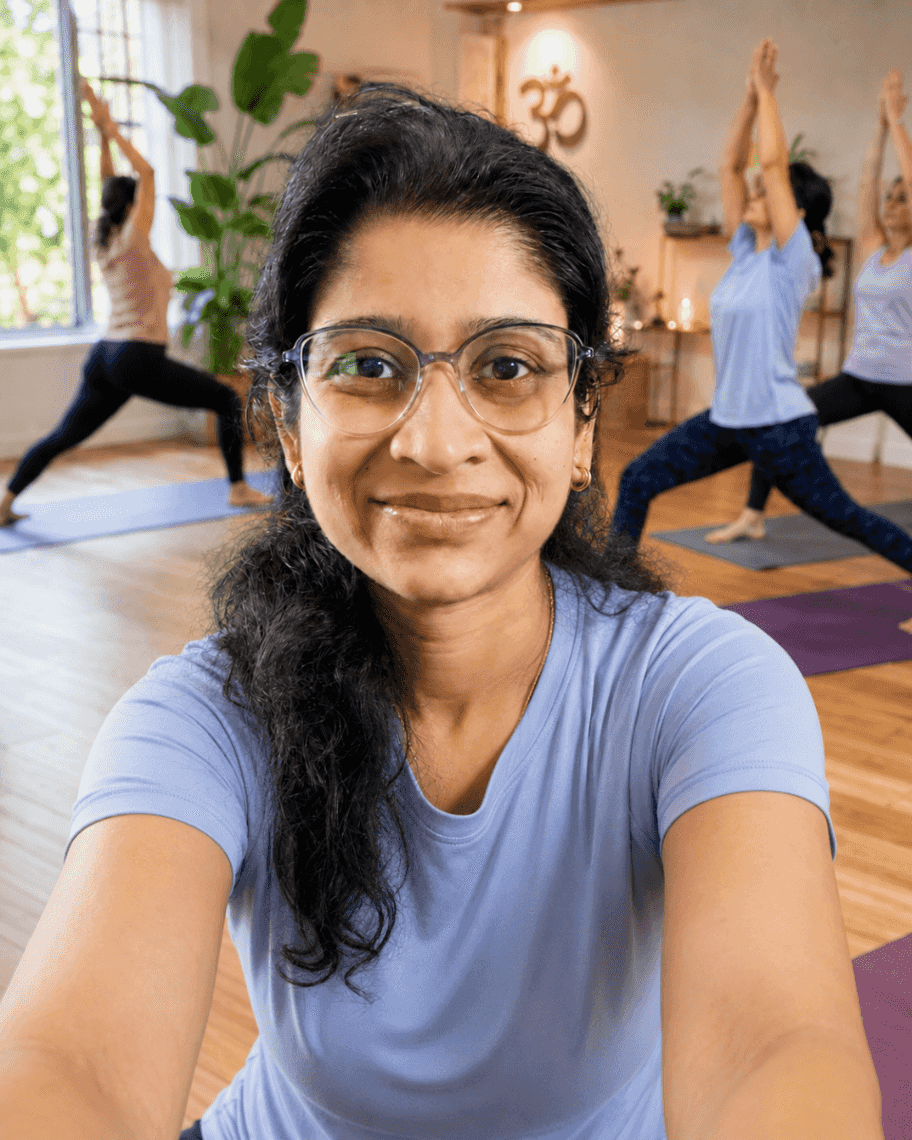
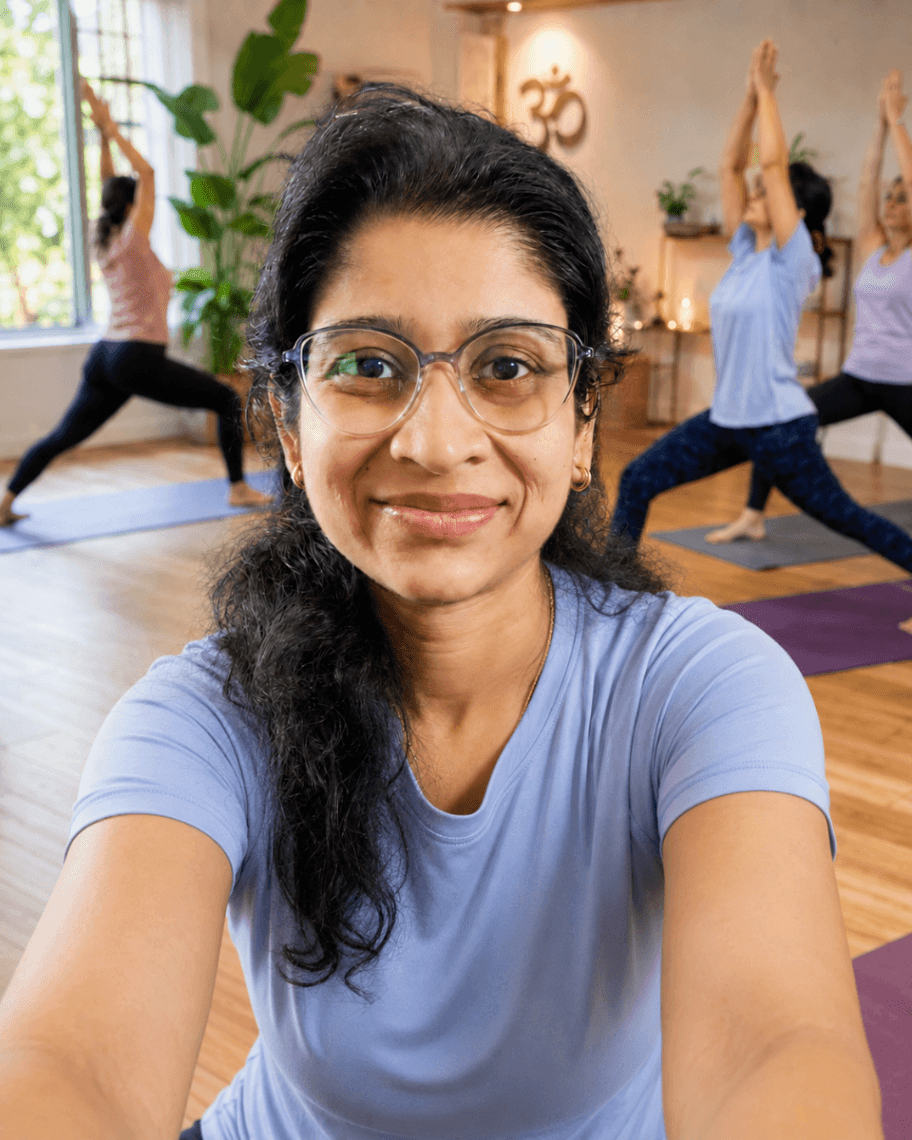
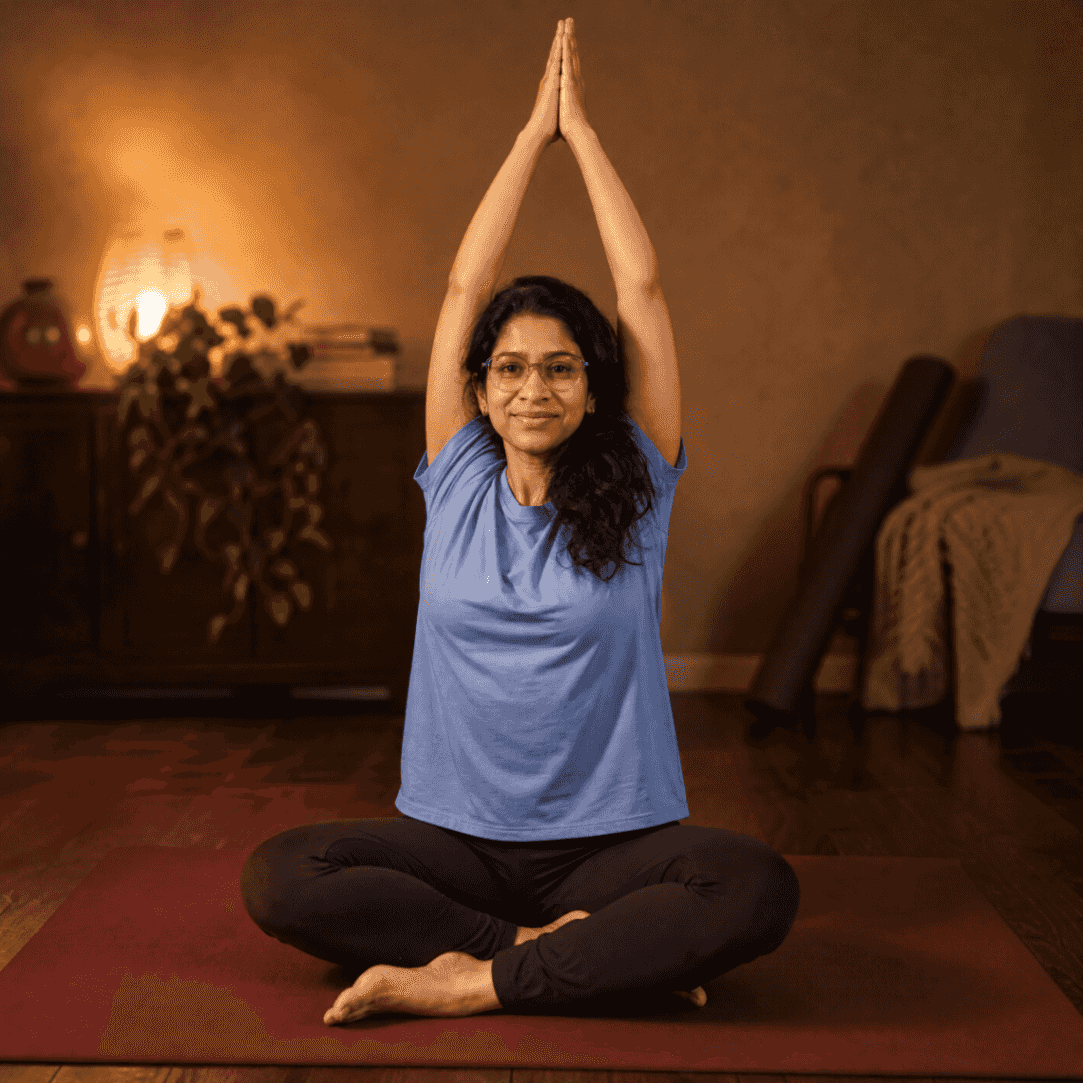
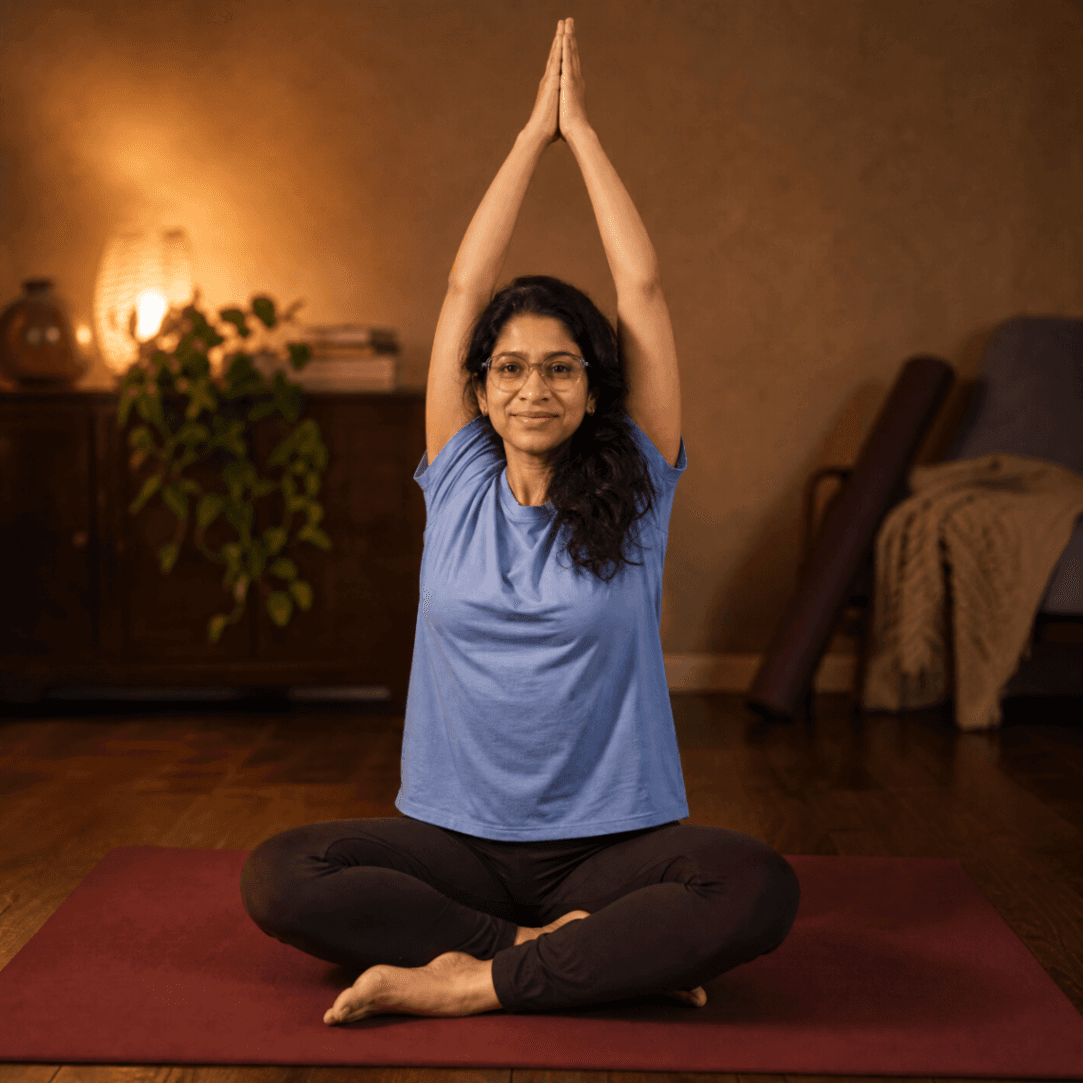


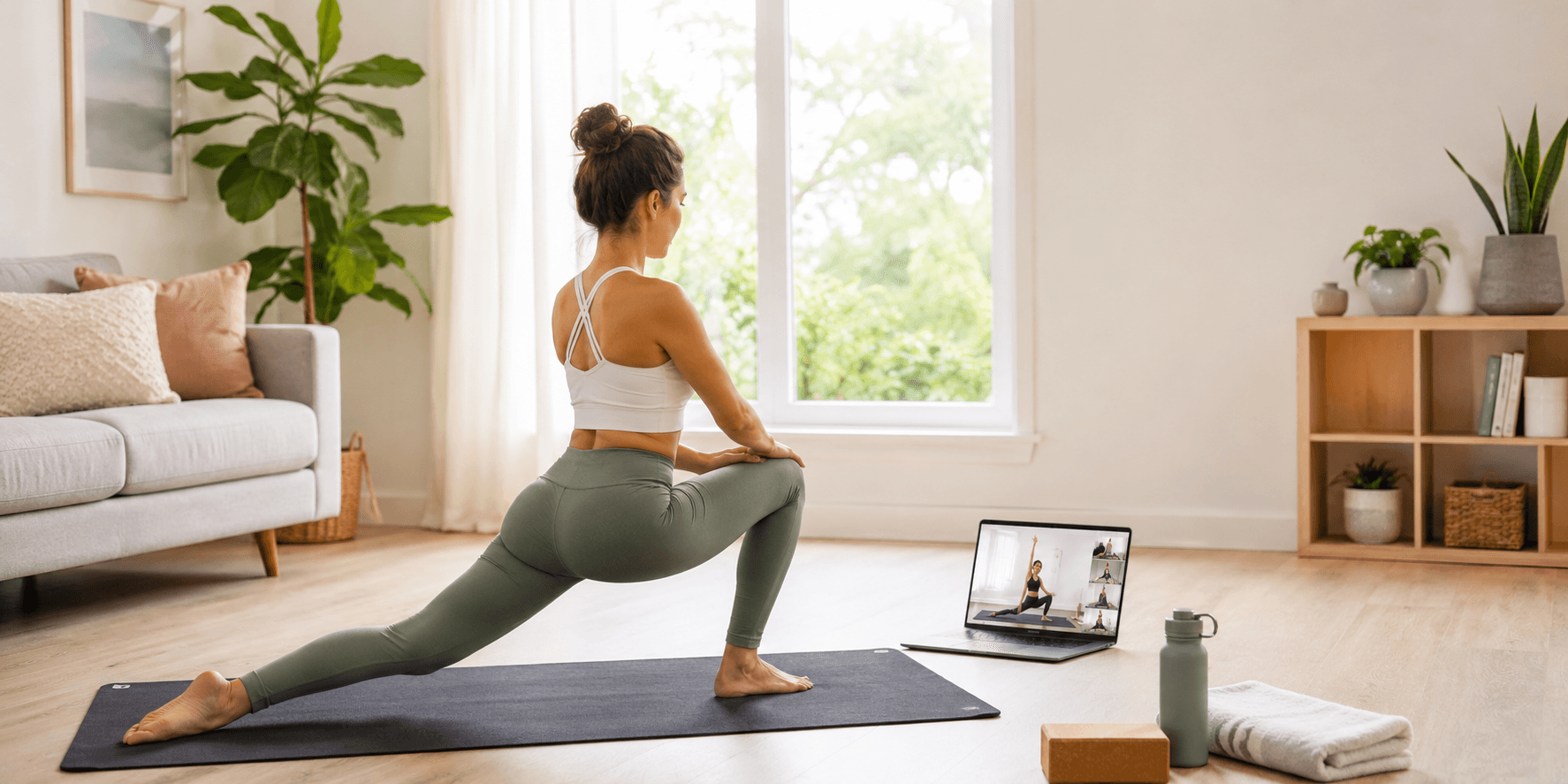
If you have never taken a live online yoga class before, the biggest uncertainty is usually not the yoga. It is the format.
People wonder whether it will feel awkward, whether the teacher can actually correct them through a screen, whether they need a perfect setup at home, or whether the class will feel too advanced to keep up with.
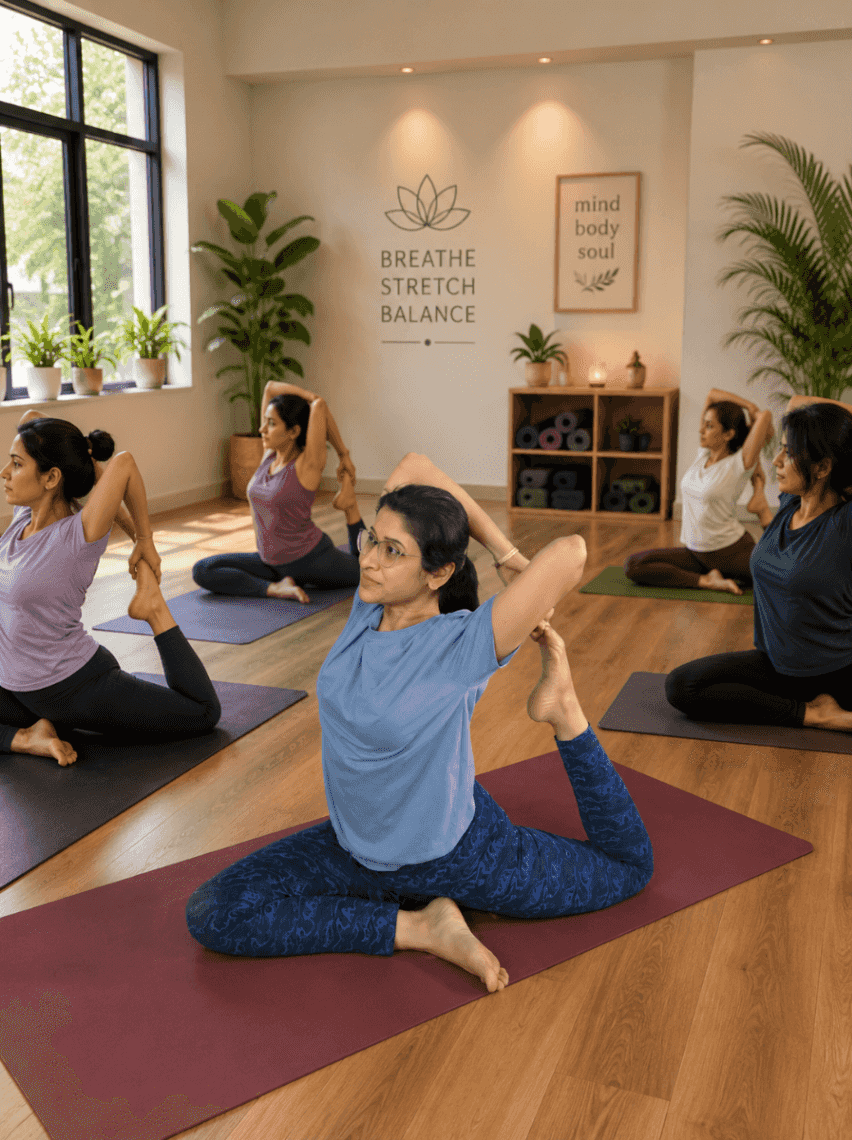
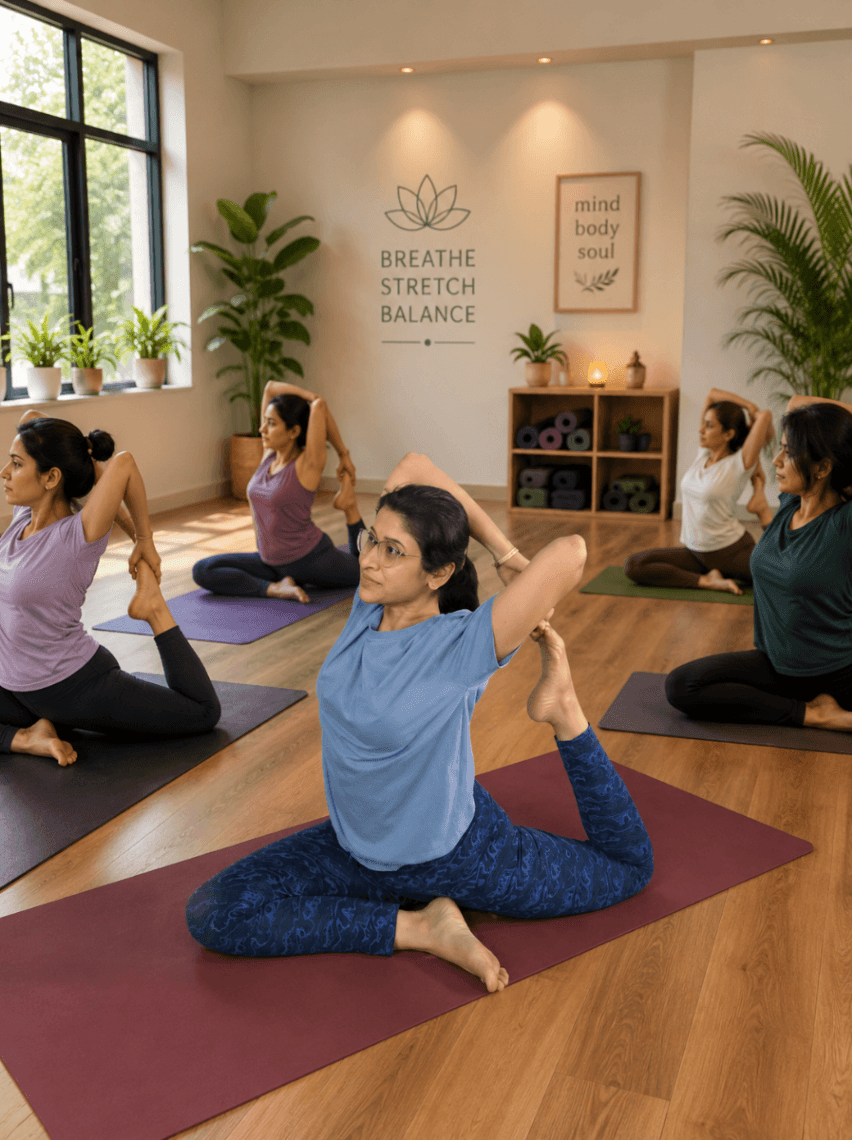
The short answer is that a good live online yoga class feels much closer to a small in-person session than to a passive video. That is exactly why many people end up preferring it.
A live class is not just a streamed workout
This is the first thing to understand. A live online yoga class is not simply a recorded class happening in real time. The value is that the teacher is present with you.
That changes the experience in a few important ways:
- you can ask questions
- the teacher can adjust pacing
- you can get real-time form cues
- the class can respond to the room instead of following a fixed script
That matters even more in yoga than in many other formats, because yoga is not just about doing shapes. It is about doing them with the right alignment, intensity, and breath for your own body.
You do not need a perfect home setup
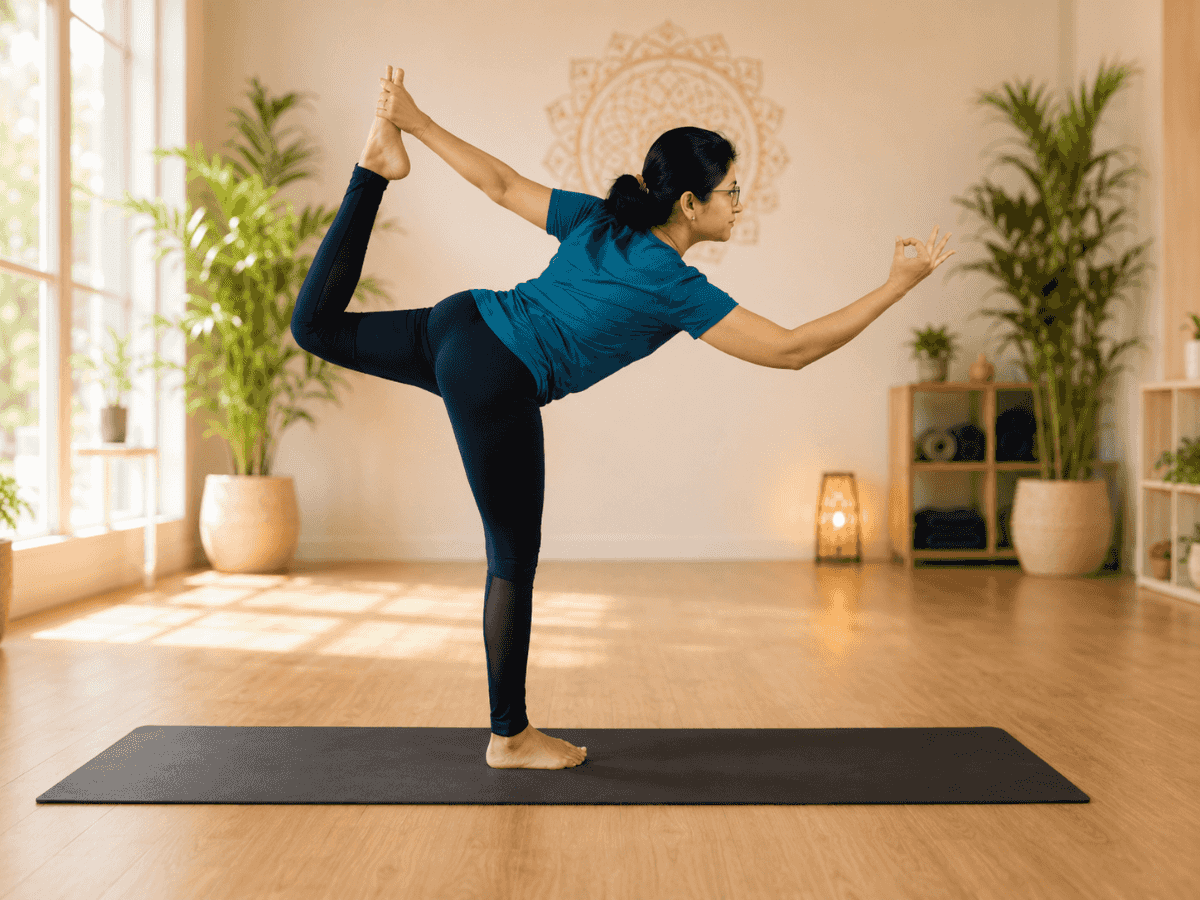
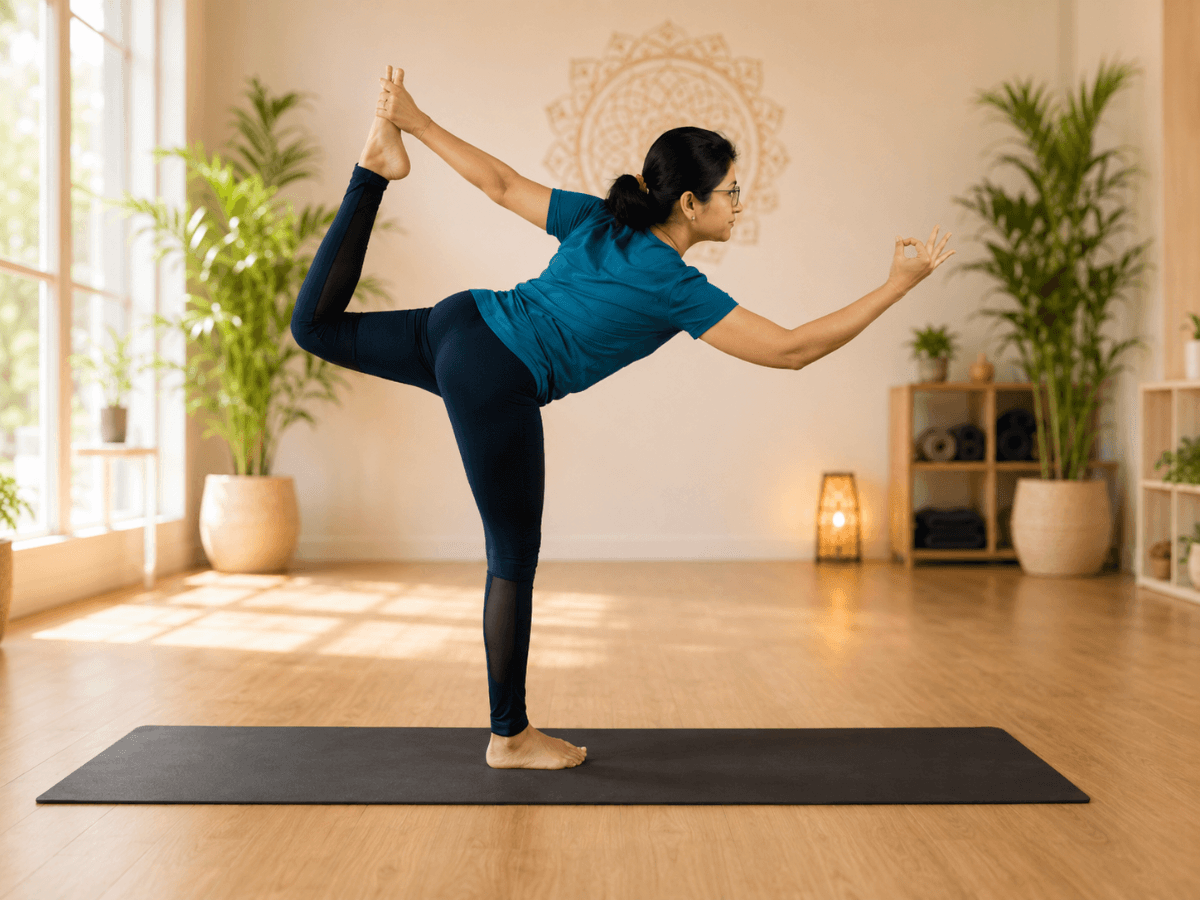
Most people overestimate how much space or equipment they need. For a standard online yoga class at home, the basics are usually enough:
- a mat or non-slip surface
- enough room to extend your arms and step back comfortably
- a phone, tablet, or laptop placed where the teacher can see you if cameras are on
- water nearby
That is it.
Blocks, straps, bolsters, and blankets are nice if you have them, but most strong online teachers know how to offer household substitutions. A folded towel, a cushion, or a sturdy stack of books can cover more than people think.
The goal is not to look like a studio. The goal is to create a setup where you can move safely and be seen clearly enough for coaching.
The first few minutes matter more than people realize
A good live online yoga class should orient you before the movement really begins. That means the teacher usually checks some combination of:
- how you are feeling that day
- whether you are working with injuries or limitations
- what style or intensity the session will be
- what props you might want nearby
If that part is missing, the class often feels generic. If it is present, the whole session tends to feel more personal and safer, even in a group format.
This is one of the clearest differences between live instruction and on-demand content. The session starts with your reality, not with a generic sequence.
Expect cues, not just demonstration
The strongest online yoga teachers do not rely only on visual demonstration. They cue clearly.
That means they tell you things like:
- where your weight should be
- what to do with your shoulders
- whether your ribcage is flaring
- how hard the pose should feel
- what to stop doing if something pinches
That kind of coaching is what makes live yoga classes online worth paying for. You are not only copying shapes. You are learning what the shape should feel like.
Choose the right class by goal, not by ambition
People often book the class they wish they were ready for instead of the class that will actually help them show up consistently. That is a mistake.
If your goal is to reduce stiffness, restore movement, and build a steady habit, you do not need the most intense vinyasa session on the schedule. If your goal is strength and challenge, a restorative or gentle format may not be the right first fit either.
The better question is: what do you want this class to do for your week?
Usually the answer falls into one of these:
- stress relief
- mobility and stiffness reduction
- beginner strength and balance
- consistency and routine
- deeper learning in a style you already enjoy
If you are still figuring that out, browse live online yoga classes on P2Bridge and look for the format that matches your real goal, not your fantasy self.
Group vs private yoga online
Both work. They just solve different problems.
Group classes
Group classes are usually better for people who want rhythm, accountability, and affordability. They also create a nice feeling of shared momentum. Even online, it helps to know other people are moving with you in real time.
If you want to start there, explore group sessions on P2Bridge.
Private sessions
Private yoga sessions are better when you:
- want more detailed alignment help
- are working around injury or stiffness
- are nervous about starting in a group
- have a very specific goal
- want to learn at your own pace
Private sessions are also a strong option if you want to build confidence quickly before moving into group classes.
You should leave class knowing more than one sequence
The best live online yoga classes do not just give you a good hour. They leave you with one or two things you can carry into the rest of your week:
- a breathing cue you actually remember
- a safer way to enter a pose
- a short sequence for stiffness
- a clearer sense of which style suits you
That is what makes a class valuable. Not the sweat alone. The carryover.
Where to start on P2Bridge
If you are curious but not sure what level or style fits, start by browsing P2Bridge yoga classes and reading a few related posts on the blog, especially the ones about yoga styles and beginner-specific questions.
If you want a lower-pressure first step, book a group class.
If you want more direct support, browse the host directory and choose someone whose teaching style feels aligned with what you need right now.
The best first online yoga class is not the hardest one. It is the one that makes you feel comfortable enough to come back next week.