

The internet is full of cooking content, which is exactly why a lot of people pick the wrong online class.
They book based on a pretty dish photo, then realize halfway through the session that the ingredient list is too ambitious, the pace is too fast, or the class assumes they already know techniques they do not actually know.
The good news is that a beginner does not need the "best" cooking class in the abstract. You need the right live online cooking class for where you are now.
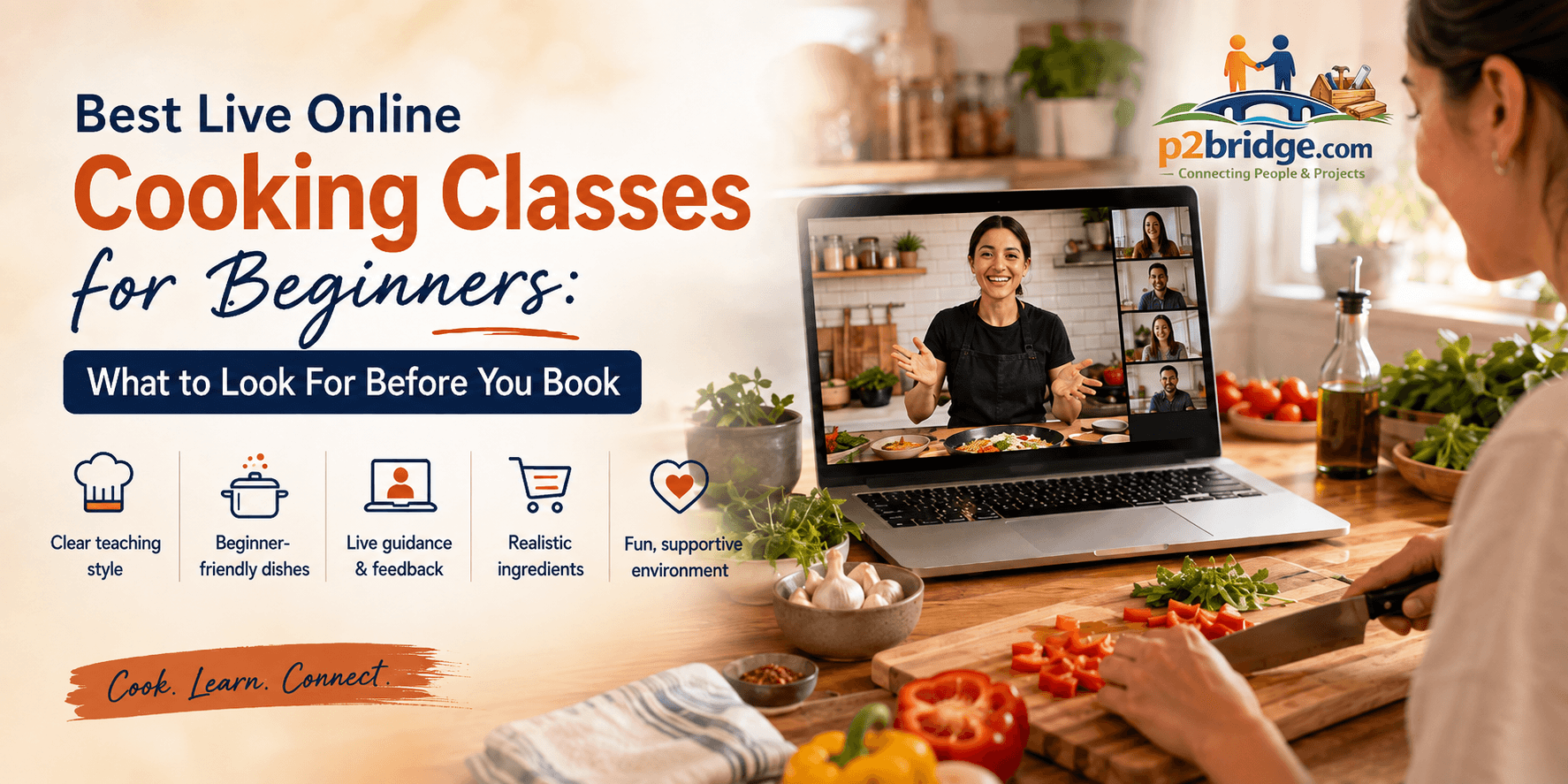
That usually comes down to five things: the teaching style, the recipe difficulty, the class format, the ingredient list, and whether someone is actually there to correct you in real time.
The first thing to check is not the dish
It is the teaching setup.
That sounds backwards because most people start with the food. Thai curry, handmade pasta, sushi, paella, dumplings. Fair enough. But if you are a beginner, the dish itself is only half the story.
The real question is this: can the host teach that dish clearly to someone cooking in a home kitchen, with ordinary equipment, over video?
A live class works when the host breaks the recipe into decisions, not just steps. A strong beginner class should tell you:
- what you can prep ahead
- what mistakes matter and what mistakes do not
- where timing matters most
- what a finished texture is supposed to look like
- how to recover if something goes sideways
That is the part pre-recorded videos usually miss. They show competence. A good live teacher shows recovery.
Start with cooking styles that reward structure
Some classes are naturally friendlier for beginners than others.
The best online cooking classes for beginners usually have one or more of these qualities:
- clear stages
- visible technique
- ingredients you can actually find
- one or two important skills, not ten
- a satisfying result even if your plating is a little messy
That is why certain formats work so well for first-time students:
- dumplings and filled doughs
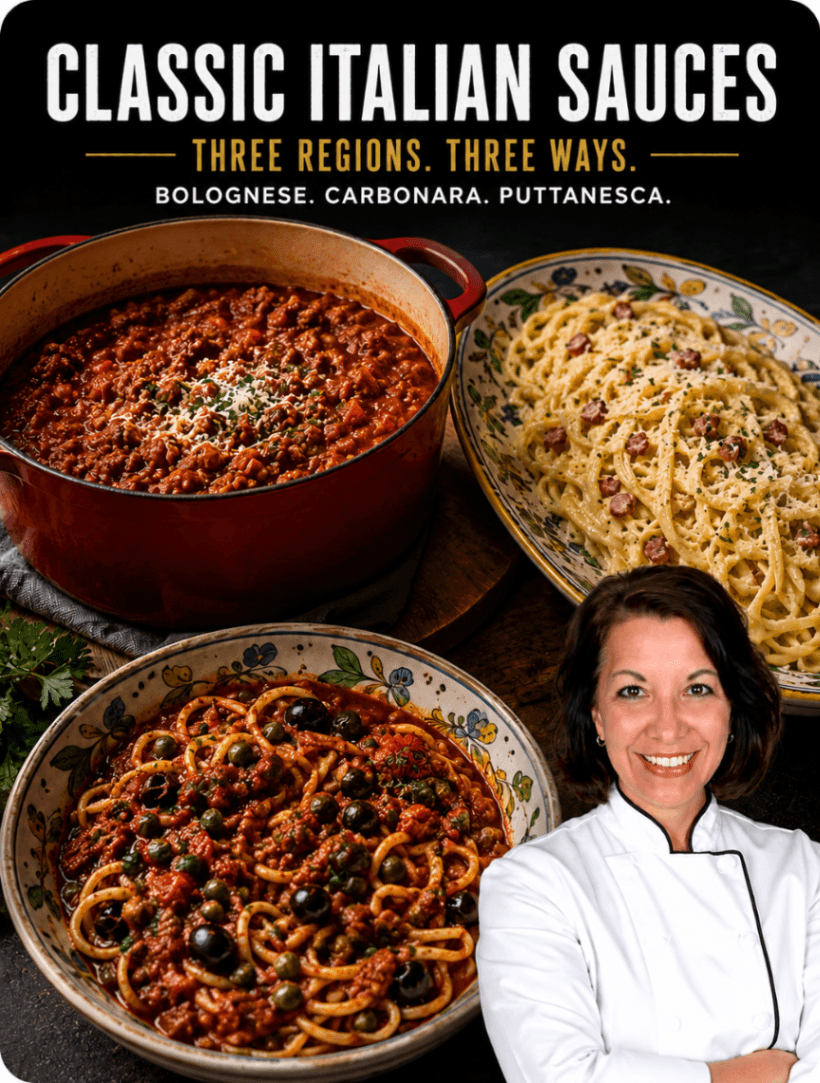
- pasta and sauces
- rice-based dishes with a clear method
- soups and stews
- beginner baking classes with strong demonstrations
By contrast, a class can be delicious and still be the wrong first pick if it depends on precision timing, specialty equipment, or a long chain of parallel steps.
The lesson is simple: do not book your first class to impress somebody. Book it to build confidence.
Live beats passive when technique matters
If the main goal is just following a recipe, a video can do that.
But if the goal is learning how to cook better, live instruction wins because somebody can actually see what is happening in your kitchen.
That matters more than people expect. A host can tell when:
- your heat is too high
- your dough is too dry
- your knife cuts are uneven enough to affect cooking time
- your sauce is splitting
- your rice needs another minute
Those are tiny adjustments, but they are exactly the difference between "I followed the recipe" and "I learned something I can repeat."
That is also why beginners usually do better in virtual cooking classes live than in self-paced recipe content. You are not just copying. You are being coached.
Choose the format based on how you learn
There is no single best format. There is only the one that gets you to cook again next week.
Group classes
Group classes are usually the better starting point for most beginners.
Why? Because the pressure is lower, the energy is lighter, and you get to learn from other people's questions too.
If someone else asks, "Wait, how fine should this be chopped?" or "Is this color right?" you benefit without having to think of the question first.
They also tend to be more affordable, which makes it easier to try a class without overthinking it.
If you want to browse what is available, start with live group sessions on P2Bridge.
Private sessions
Private sessions make more sense when you:
- want direct attention
- have dietary restrictions
- want to move at your own pace
- are booking for a couple, family, or gift
- care more about learning a specific dish than joining a shared class atmosphere
If that sounds closer to what you want, browse private culinary experiences on P2Bridge.
Ingredient lists should feel realistic
One underrated sign of a good beginner class is that the shopping list feels doable.
That does not mean basic or boring. It means reasonable.
If half the list sends you across three specialty stores before you have even started, that is usually not the right first class unless the cultural specificity is the whole point and you are excited for the challenge.
Good hosts help here by offering substitutions, pantry notes, and prep guidance before the class starts.
That kind of setup matters because beginners do not just fail on cooking technique. They often fail before the pan is even hot, during shopping and prep.
The best first class is one you can repeat
This is the part people miss.
Your first live online cooking class should not just end with dinner. It should leave you with one dish you feel capable of making again without supervision.
That is the real return.
A good beginner class gives you:
- one repeatable recipe
- two or three transferable techniques
- enough confidence to try another class
That is how cooking habits get built. Not from one perfect night, but from one class that makes the next one feel easy to say yes to.
What to book first on P2Bridge
If you are new, the best move is not to chase the hardest class. Start by browsing live online cooking classes on P2Bridge and look for hosts whose classes feel clear, welcoming, and technique-driven.
If you want lower pressure, choose a group class.
If you want more tailored support, choose a private session.
And if you want to get a feel for the teaching voice first, read a few of the existing food articles on the P2Bridge blog, then book a class in the cuisine or format that feels most approachable.
The best beginner class is not the fanciest one. It is the one that makes you want to cook again tomorrow.