


What You Need Before Your First Live Online Cooking Class
Less than you think. Culinary group classes on P2Bridge cap at five people — it isn't a webinar, and the host can see your pan. The equipment list is an ordinary domestic kitchen. The one thing that genuinely matters is the hour of prep you do the day before, and almost nobody tells you that in advance.

It's five people, not two hundred
Most hesitation about live online classes comes from the wrong mental picture. People imagine either a pre-recorded video with a comments section, or a Zoom room with two hundred silent squares.
Neither is what this is. Culinary group sessions on P2Bridge list Max Persons 5. Five. Including you.
That number changes everything about how the hour feels. At five people the host is genuinely watching — she can see that your pan isn't hot enough, that your onions are catching, that you've gone quiet because you're lost. You can ask a question out loud and get an answer, in the moment, about your specific pan.
Some fitness classes run to eight, and one strength class caps at three. But for cooking, five is the ceiling. It's closer to having a chef in your kitchen than to attending anything.
For scale, the platform currently lists 784 group sessions — 116 culinary and 668 fitness — with hosts and experiences drawn from more than 20 countries. So there's range, but each individual session is small.
The thing nobody says out loud: yes, the host can see you. That's not the risk you're worried about — it's the entire product. If nobody could see your pan, you'd have bought a video.
Group or private: which to book first
Every class comes in two forms, and the choice matters more for your first booking than your fifth.
Group classes are priced per person and run at times the host sets. Culinary group prices currently sit between $20 and $35 per person. You cook alongside up to four other people.
Private sessions are yours alone, arranged around your schedule, and run roughly $25 to $65. A few hosts also list monthly rates — one shows $30 per person or $90 per month, another $15 or $45 — though that's host by host rather than a platform-wide thing.
For most people the group class is the right first booking. It's cheaper, the schedule is already set so you don't have to negotiate anything, and there's something genuinely useful about watching four other people make the same mistakes you're making.
Go private if you want a specific date, if you have dietary requirements you'd rather work through with the host directly, or — and this is a perfectly good reason — if you'd rather not be seen by strangers the first time.
The equipment you actually need
This is where people over-prepare. The published equipment list for Shawnie Kelley's Indian class — butter chicken, Bombay aloo and naan, three dishes in 90 minutes — is thirteen items, and not one of them is specialist.
| What | What it's for |
|---|---|
| Cutting board and knives | Everything |
| A few prep bowls | Holding measured spices and chopped aromatics |
| Small skillet | Blooming spices |
| Medium skillet | Potatoes |
| Large skillet, cast iron pan or griddle | Naan |
| Medium saucepan | The curry |
| Stirring spoons | Everything |
| Liquid and dry measuring cups | Following along at pace |
| Medium bowl + cling wrap | Proving the naan dough |
| Pastry brush | Basting butter on the naan |
That's a normal kitchen. If you own pans and a knife, you're most of the way there. The pastry brush is the only item some people won't have, and a spoon does the job at a pinch.
What you don't need: a stand mixer, a thermometer probe, specialist cookware, or anything you'd have to buy. If a class did require something unusual, it would say so on the page — which is the argument for reading that page before you book rather than after.
Measure your pans before you book
The one requirement you can't improvise around is diameter, and almost nobody knows their own pan sizes.
Two real examples from live class pages. Maria Angeline R's Indonesian sweets class asks for a frying pan of 15 to 18 cm for the crêpes — small, and if your smallest is 24 cm your batter will run thin and tear. Shawnie's paella class asks for the widest pan you own, because paella depth determines whether the base layer caramelises at all — we unpacked why in choosing the right rice.
Take a tape measure to your two or three main pans once, write the numbers on a note in your phone, and you'll never have this problem again. It takes ninety seconds and it's the single most useful thing in this article.
The real work happens the day before
Here's the honest answer to "what do I need." It isn't equipment. It's the hour you spend the evening before.
Take that same Indian class. Before the session starts, students are asked to marinate the chicken — anywhere from one hour to 24 hours ahead, refrigerated. Parboil the potatoes and then let them steam-dry for an hour or more, because dry potatoes crisp and wet ones steam. Bring the naan ingredients to room temperature. Pre-make the rice. And lay out every spice with the measuring spoons before class begins.
Her stated reason for that last one is worth repeating: it's a long list of herbs and spices, and having them to hand means the class runs smoothly once cooking starts, leaving more time to focus on technique and flavour rather than hunting through a cupboard for turmeric.
If a long ingredient list is what puts you off, it helps to know what the unfamiliar items actually do before you shop. We have explainers on palm, brown and coconut sugar, fish sauce and soy sauce, and coconut milk, cream and cream of coconut — the three ingredients most likely to send a first-timer to the wrong shelf.

That thawing instruction is the one I'd point at hardest — and it is the same principle behind why pork tenderloin comes out dry. A chef doesn't put "thaw the pork completely before class" in her materials unless she's watched people turn up with a frozen tenderloin and lose the session to it. Cold meat won't sear, the outside overcooks while the middle catches up, and there's nothing anyone can do about it in real time.
Read the prep notes. All of them. They're the difference between a good class and an hour of quiet frustration.
| When | What to do |
|---|---|
| Before you book | Check the skill level. Check the session time against your own clock. Measure your pans against the equipment list |
| 2–3 days ahead | Read the full ingredient list. Order or shop for anything unusual. Move frozen items to the fridge |
| The day before | Do the stated advance prep — marinating, parboiling, soaking. This is the step people skip |
| 1 hour before | Measure and lay out every ingredient. Get things to room temperature |
| 10 minutes before | Prop your device, check sound, clear counter space, join early |
| During | Ask questions out loud. At five people, that's what the format is for |
Book a beginner class first
Even if you can cook. Especially if you can cook.
Every class lists a level, and the gap between beginner and intermediate isn't about how good your knife skills are. It's about how much simultaneous judgement the session demands. A beginner class is built so that a first-timer can keep pace while also getting used to the format — watching a screen, listening, and cooking at the same time, which is more cognitive load than it sounds.
Denise Fan's pot sticker class is a good example of one to save for later. It's intermediate, it's genuinely excellent, and it needs cabbage salted and squeezed 15 minutes before you start — the technique we covered in pot stickers and dumplings. Book it second. Booking it first means spending your introduction to the format wrestling with dumpling pleats.
The four classes I'd point a first-timer at further down are all beginner level. That isn't a coincidence.
Check the time in your own timezone
Hosts come from more than 20 countries, and the schedule reflects that. Looking at the live sessions list right now, there's a Thai class at 3:00 PM and a Nigerian jollof class at 3:00 AM.
Neither of those is a mistake. They're perfectly sensible times where the host is standing.
So before you reserve anything, look at the day and time on the listing and check it against your own clock. It's the most avoidable way to waste money on this platform, and a booking page will never nag you about it.
Setting up your kitchen and your camera
Briefly, because you don't need a lecture on video calls.
Prop your device where the host can see your hands and your pan, not your face. That's the part she needs. A phone leaned against a canister at the back of the counter works better than a laptop pushed to one side, because the angle matters more than the resolution.
Turn the sound up. You'll have your hands full and you won't be able to lean in to hear.
Clear more counter space than you think. Cooking three dishes at once takes room, and the moment you run out of surface is the moment you start putting hot pans in bad places.
Join a few minutes early. Not for the technology — for the settling.
When a live class is the wrong choice
It genuinely isn't for everyone, and it's worth saying so before you spend anything.
Skip it if you want to pause and rewind. Live means live — if you fall behind, you catch up or you improvise, and for some people that's stressful rather than exciting. Recorded courses exist and they're better at that job.
Skip it if you can't commit to a fixed 60 or 90 minutes. Half-attending a live class is worse than not attending.
And skip the group format, at least, if being watched while you cook sounds genuinely unpleasant rather than mildly nerve-wracking. A private session solves that entirely, and it's a legitimate reason to spend more.
What you're paying for is real-time correction. If that's not what you want, you're buying the wrong thing.
Where to start
Four beginner classes, all with published prep notes and real review counts.

The easiest first booking
Maria Angeline R charges $25 whether you book privately or join a group — the cheapest culinary class on P2Bridge, and taught by a Le Cordon Bleu-trained pastry chef and food technologist. Ninety minutes, beginner level, and the only unusual requirement is a small frying pan.
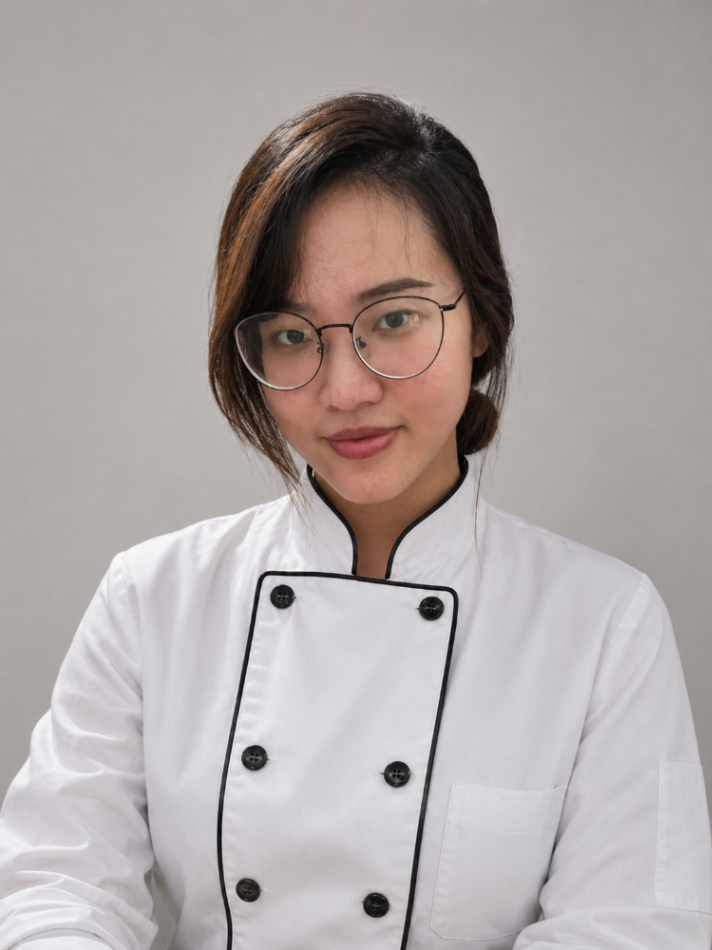
★★★★★ 5.07 reviews · 6 experiences
Verified Host · Indonesia · Pastry Chef, Food Stylist, Food Technologist · Le Cordon Bleu trained · 10 years
Best value on the platform and the gentlest entry point. Same price private or group, so if you'd rather not cook in front of strangers on your first go, it costs you nothing to book it solo.
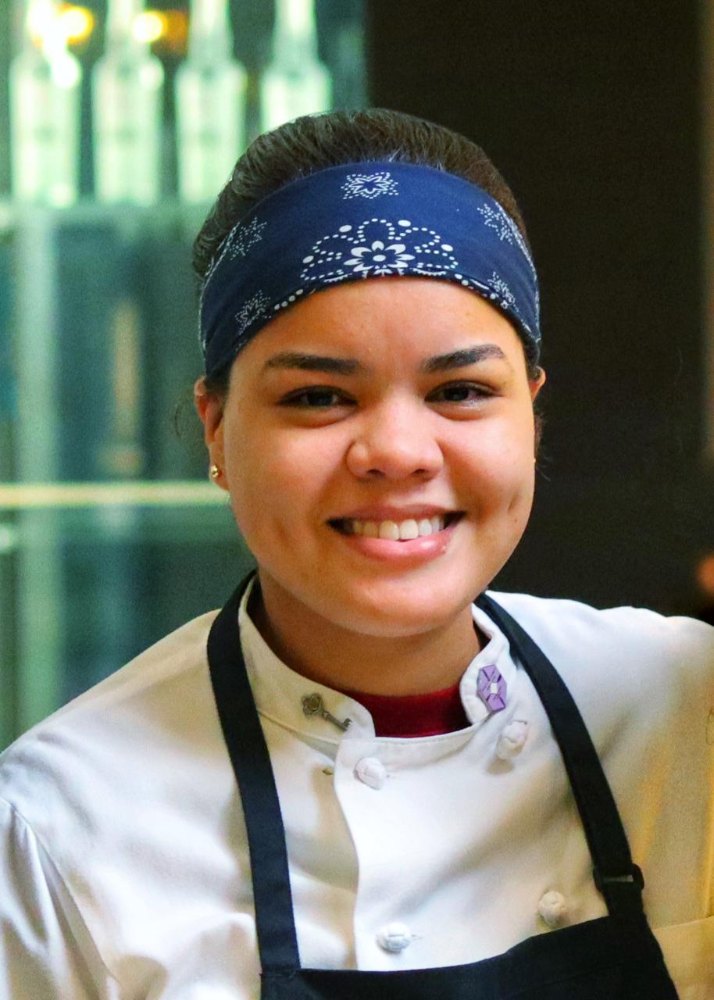
★★★★★ 4.830 reviews · 13 experiences — the most-reviewed host on the platform
Premier Host · Cuisine Specialist · Brazil · Professional Chef, Recipe Developer & Food Content Creator · Portuguese, English, Spanish
If review count is what reassures you, she has more than double anyone else — and Premier Host is the platform's top tier. Ten years across Brazil and the United States in hot kitchen, pastry, bakery and high-volume hospitality, with influences from New Orleans, Nashville and the Northeast of Brazil. The moqueca is 60 minutes and beginner level.

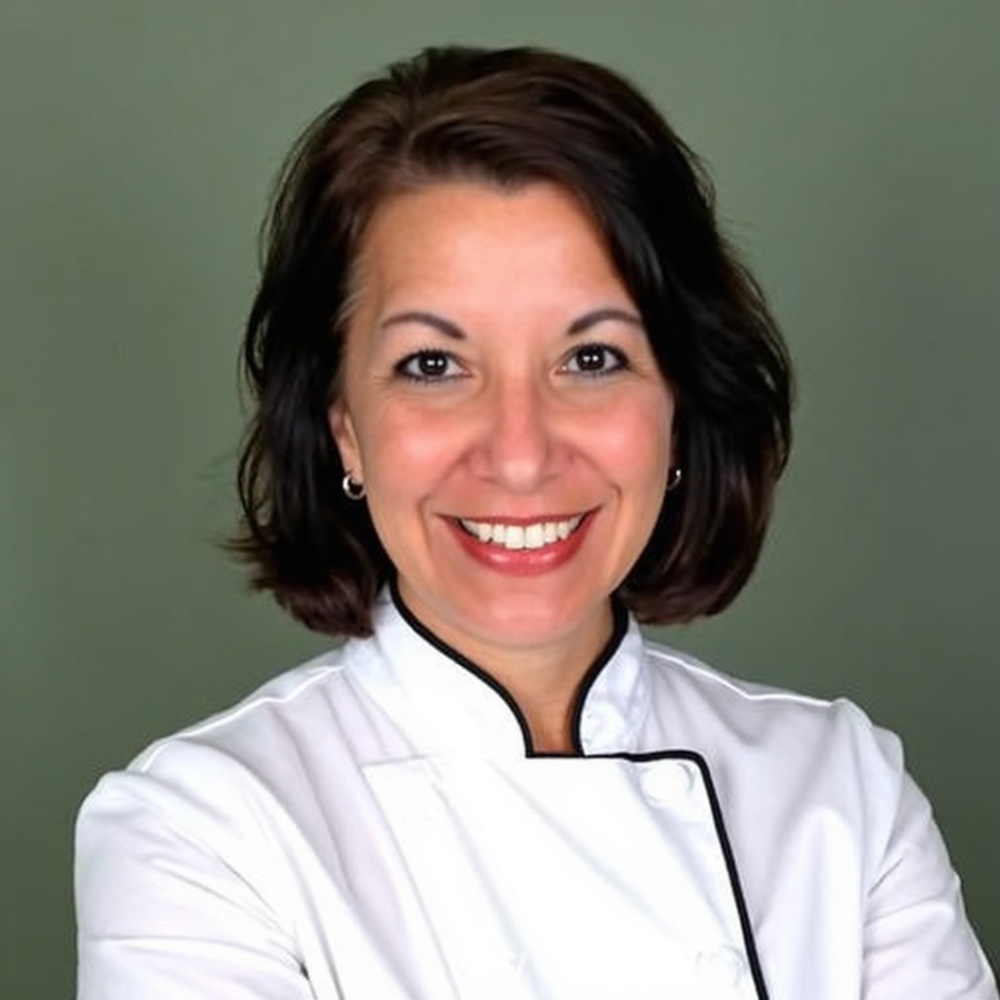
★★★★★ 5.03 reviews · 12 experiences
Verified Host · United States · Chef Instructor for Columbus State, Ohio · food & travel writer · 18 years
The most thoroughly documented class pages on the platform — full equipment lists, advance prep with timings, and technique notes. If you want to know exactly what you're walking into, book one of hers.
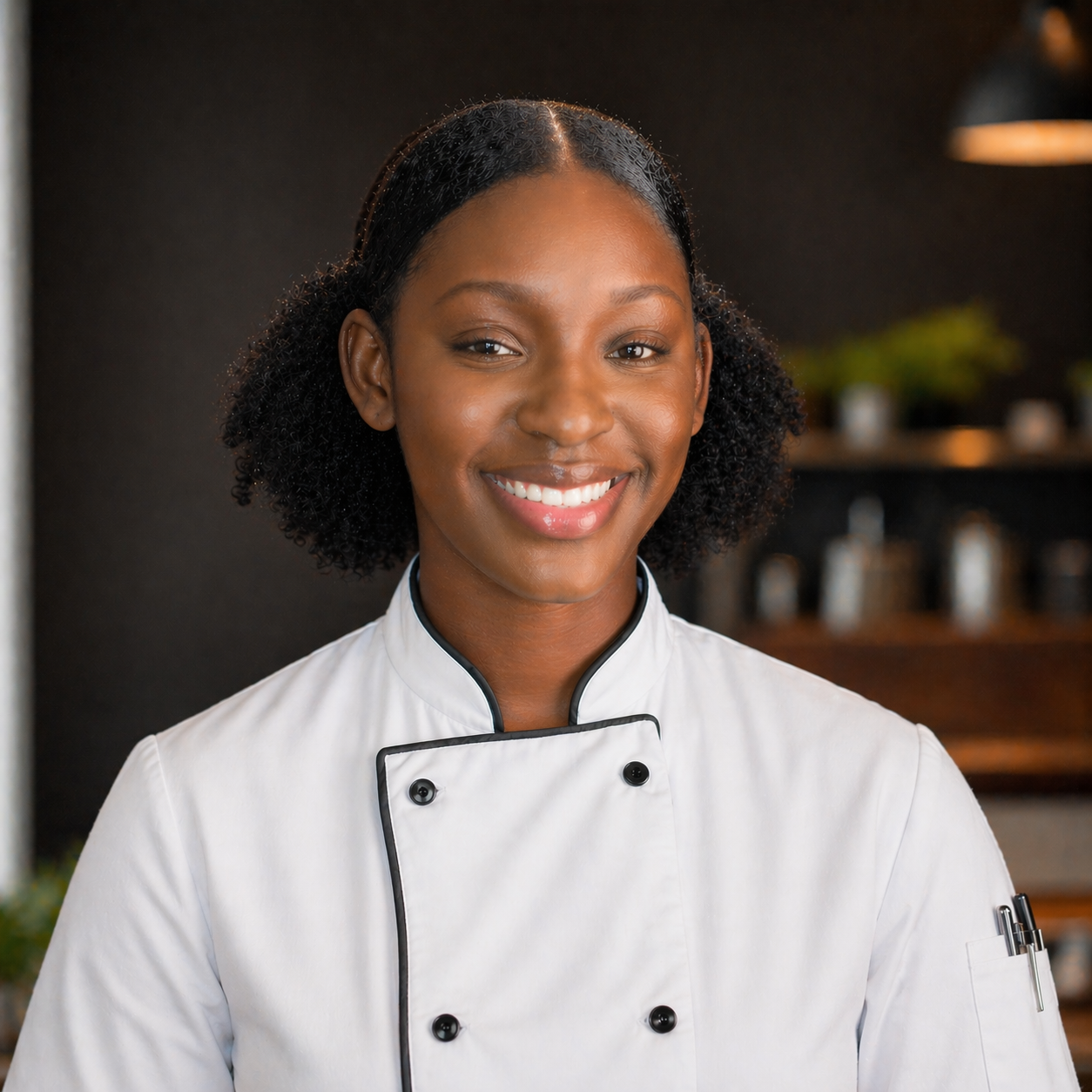
★★★★★ 4.914 reviews
Verified Host · Trinidad and Tobago · 6 years · Caribbean and African home cooking
Sixty minutes, beginner, one main dish. A shorter and simpler shape than a three-dish class, which makes it a good first booking if the idea of cooking on camera for 90 minutes feels like a lot. Thaw the pork.
Browse everything: scheduled group classes, private sessions, the culinary catalogue, class packages, team sessions, every verified host, and what people said afterwards. Questions about a specific class? Ask before you book.
Frequently asked questions
How many people are in a live online cooking class?
Culinary group classes on P2Bridge cap at five people, including you. Some fitness classes allow up to eight, and one strength class caps at three. At five, the host can genuinely watch your pan and answer questions about your specific situation rather than broadcasting to a crowd.
What equipment do I need for my first online cooking class?
A normal domestic kitchen. One published class list runs to thirteen items: cutting board, knives, prep bowls, three skillets of different sizes, a saucepan, spoons, measuring cups, a bowl with cling wrap and a pastry brush. Nothing specialist, and nothing you would need to buy.
Do I need to prepare anything before the class starts?
Yes, and this is the step people skip. Classes commonly ask you to marinate meat one to 24 hours ahead, parboil and steam-dry potatoes, bring ingredients to room temperature, and lay out spices in advance. One class specifies thawing meat completely, because frozen meat cannot be rescued once a live session starts.
Should I book a group class or a private session first?
A group class suits most first-timers — it costs less, the schedule is already set, and watching others make the same mistakes is reassuring. Choose private if you need a specific date, have dietary requirements to discuss, or would simply rather not cook in front of strangers.
How much does a live online cooking class cost?
Culinary group classes currently run from about $20 to $35 per person, and private sessions from roughly $25 to $65. A few hosts also offer monthly rates. Prices vary by host and change over time, so check the individual class page before booking.
Can the host actually see what I'm doing?
Yes, and that is the point of the format. With a maximum of five people the host can see your pan, notice when something is going wrong, and correct it in the moment. Position your device so it shows your hands and your cooking surface rather than your face.
What skill level should I book for my first class?
Beginner, even if you cook confidently at home. The difficulty is not knife skills — it is doing three things at once while following a screen. Intermediate classes assume you are already comfortable with the format. Save them for your second or third booking.
What if I am in a different timezone from the host?
Check the listed day and time against your own clock before reserving. Hosts come from more than 20 countries, so sessions run at every hour — current listings include classes at 3:00 PM and at 3:00 AM. Both are sensible times where the host is based.
Once you have booked, these are worth reading: why pork tenderloin comes out dry, turning fond into a pan sauce, and choosing the right rice.
How we sourced this
Every figure here was read from live P2Bridge pages on 24 August 2026 — class sizes, session counts, prices, skill levels, equipment lists and preparation instructions all come from the group sessions page and from individual class pages, not from generic advice about online learning. Ratings appear with their review counts; the reviews page carries the underlying feedback.
What changes. Session counts, scheduled times and prices move constantly — the culinary catalogue grew substantially in the fortnight before this was written. Treat the numbers as a snapshot and check the individual class page before booking.
What this article does not cover. We have deliberately not described cancellation terms, refunds, recordings or which video platform is used, because those were not verifiable from the public pages. For anything in that category, ask before you book or read the terms and conditions.