





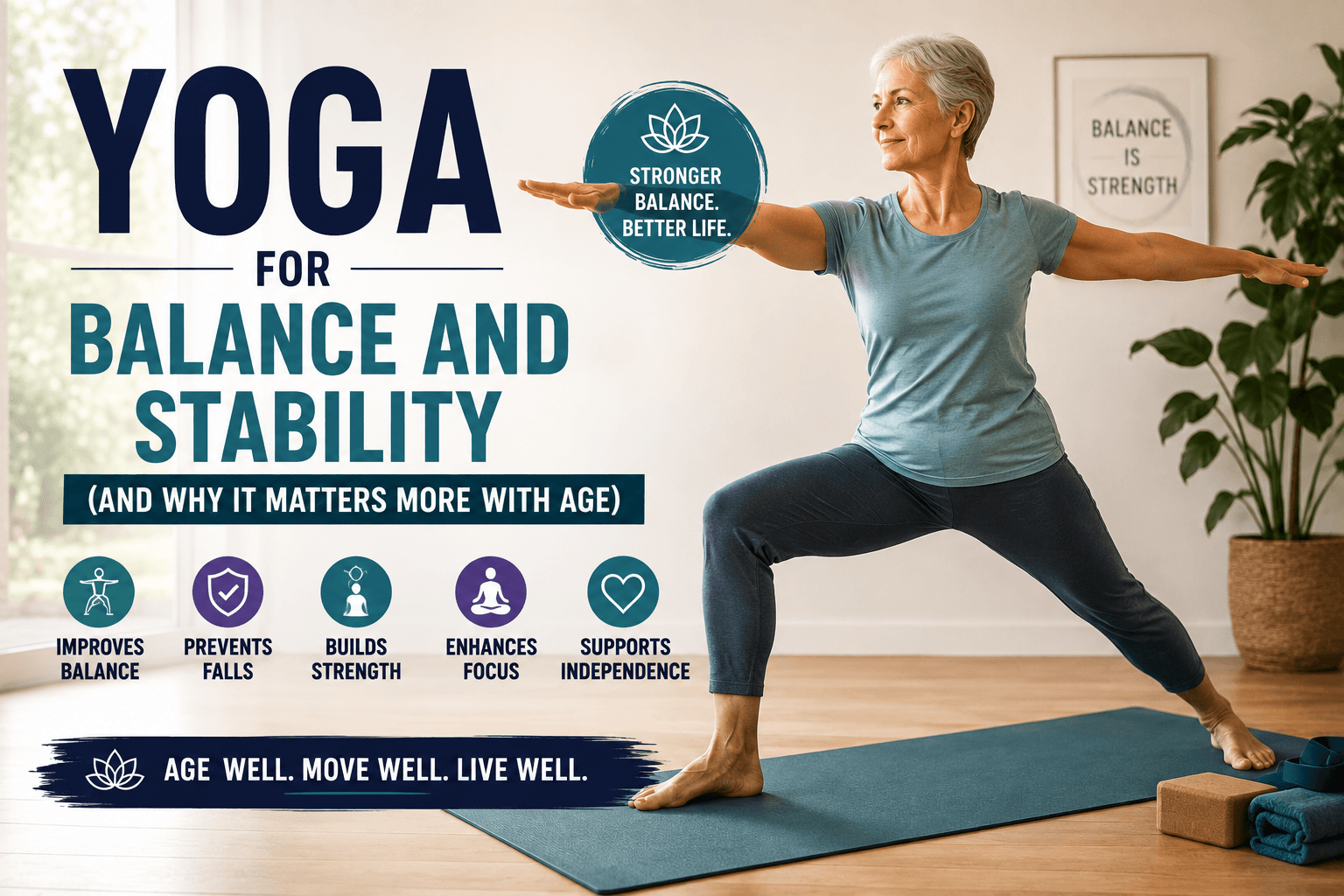
Yoga for balance and stability (and why it matters more with age)
Balance isn't one skill. It's three systems working together — and standing yoga poses train all three at once, which is why they beat wobbling by the kitchen sink.
The short answer
Yoga for balance works because balance depends on three systems — vision, the inner ear, and proprioception (your body's sense of where its own parts are). Standing yoga poses load all three simultaneously, held long enough to actually train them.
Start with Tree, Chair and Warrior III beside a wall. Hold thirty seconds a side. Progress by closing your eyes, not by letting go of the wall sooner. And know this: balance is half a strength problem — you can't hold a position your legs are too weak to hold.
Balance is three systems, not one
Most people treat balance as a single ability — you either have it or you're losing it. That framing is why so much balance training doesn't work. Balance is three separate systems feeding your brain at once, and they fail in different ways.
Vision. Your eyes tell you where vertical is by reading the room. This is doing far more work than you'd guess, which you can prove in about four seconds: stand on one leg, then close your eyes. Most people last a fraction as long. That collapse is vision going offline.
The vestibular system. Fluid-filled canals in your inner ear sense head position and acceleration. It runs entirely below awareness until something disrupts it — an ear infection, vertigo — and then nothing feels stable.
Proprioception. Receptors in your muscles, joints and especially your feet and ankles report where your body is in space. This is the one you can most directly train, and it's the one a held pose actually loads. Every micro-wobble in a balance pose is proprioceptive feedback firing and correcting, hundreds of times a minute.
That third system is the answer to why yoga and balance fit together better than isolated drills do. Yoga for body balance works because balance in yoga is never trained in isolation. A single leg yoga pose doesn't just ask you to stay upright — it asks you to stay upright while your hips are square, your spine is long, your gaze is fixed and your breathing is even. You're loading proprioception under conditions that resemble actual life, where you're rarely standing still doing nothing else.
Test yourself: the single leg balance check
Before any of the poses, here's a self-assessment worth doing. The single leg balance test is used clinically because it's simple and it correlates with a lot of things that matter.
Stand near a wall or counter, but don't hold it. Bare feet. Lift one foot a few inches off the floor. Time how long you can stay there before the raised foot touches down or you grab support. Then switch sides — a difference between sides is worth noticing on its own.
Rough orientation, and treat these as general reference points rather than a diagnosis: many people under 40 manage 45 seconds or more; in the 50s, 30 to 40 seconds is common; by the 70s, 15 to 20 seconds is a reasonable showing. If you can't reach 10 seconds, that's genuinely worth mentioning to your doctor rather than shrugging off.
Now do it again with your eyes closed. Expect a dramatic drop. Standing on one leg yoga poses become an entirely different exercise the moment vision is removed, which is exactly why that's the best progression available to you later.
Do this safely
Test beside a counter, in a doorway, or next to a sturdy chair — somewhere you can catch yourself instantly. The point is to measure where you are, not to prove something. Nobody has ever improved their balance by falling during a test of it.
Why it changes with age — and what's actually trainable
All three systems shift over time. Vision changes. Vestibular function gradually declines. Proprioceptive signalling from the feet and ankles gets less precise. On top of that, leg muscle mass and reaction speed both drop, so the correction arrives later and weaker.
Most people notice it in a specific, unglamorous moment: putting on socks standing up. Or stepping off a kerb and needing an extra half-step to settle. Not dramatic — just a system with less margin than it used to have.
Here's the part that matters. Proprioception and strength are both highly trainable, at any age. This isn't a decline you simply accept. The CDC's physical activity guidelines add balance training as an explicit third component for older adults, alongside aerobic activity and muscle-strengthening — it's a named public-health recommendation, not a nice-to-have.
Which is why beginning yoga for seniors so often starts here rather than with flexibility. A beginner yoga seniors class that opens with balance work isn't being cautious — it's being accurate about what matters. Senior yoga poses that look modest — standing, holding, breathing — are doing more than they appear to.
The standing balance poses
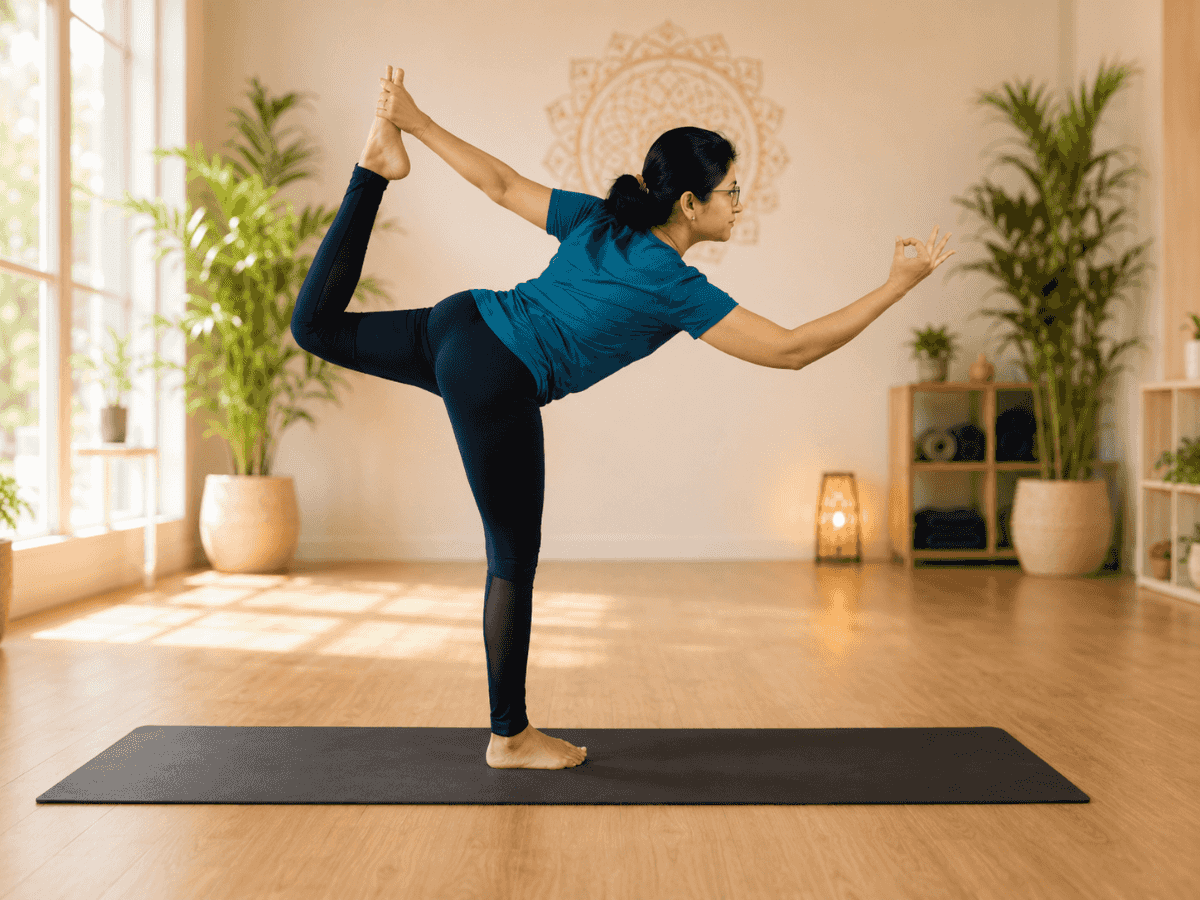
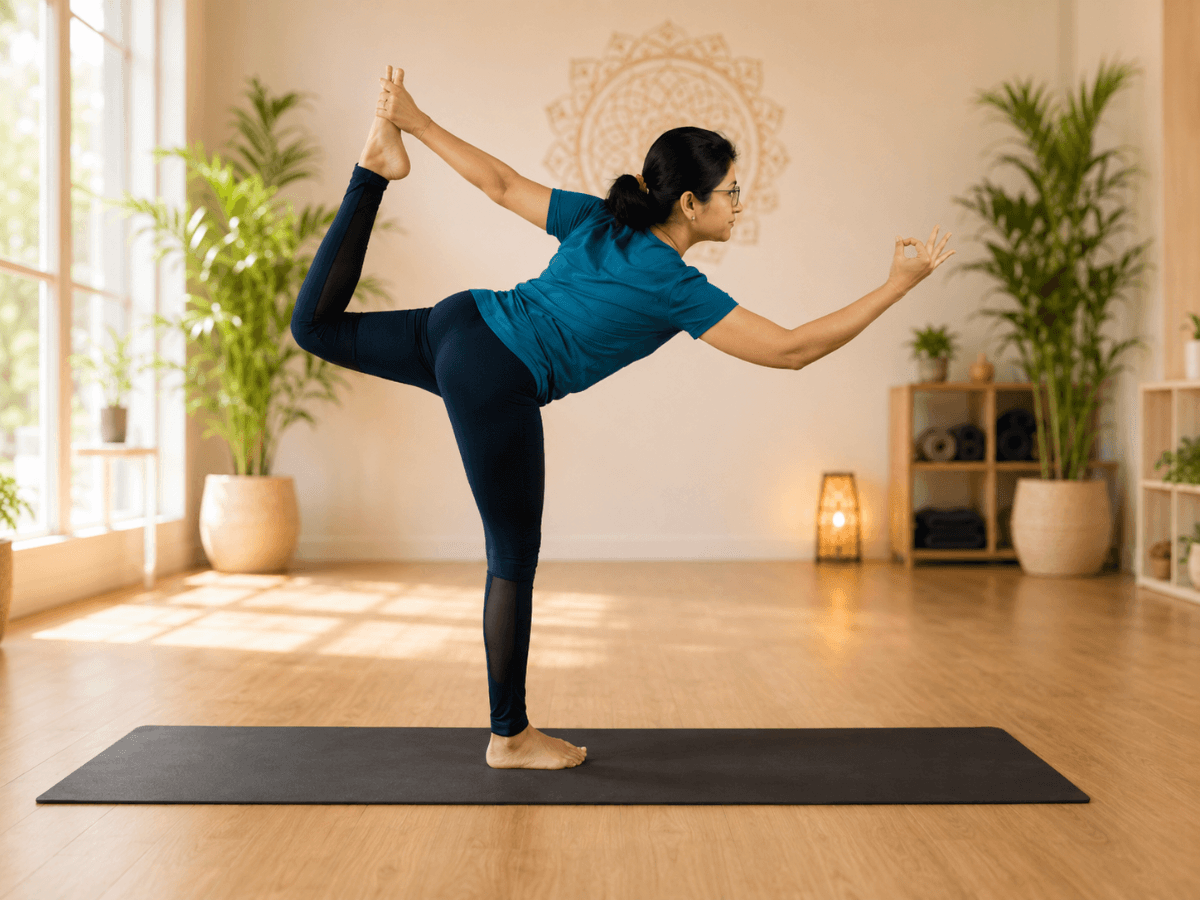
These are the core balancing yoga poses. The yoga balancing poses below are all standing poses yoga teachers return to constantly, and the reason yoga poses standing dominate balance work is simple: that's where the demand is. Each one includes what it trains and how to scale it. Do them barefoot if you can — shoes muffle exactly the foot and ankle feedback you're trying to sharpen. Standing yoga postures lose much of their proprioceptive value through a thick sole.
One more thing about yoga standing balance poses in general: use a wall. Fingertips on a wall or a chair back is correct practice for balance poses, not a failure. You'll train the system better holding a good position with light support than wobbling wildly through a bad one unsupported.
Tree Pose
Vrksasana · The classic one leg yoga pose
Stand tall. Shift weight into the left foot, place the right foot on the inner calf or inner thigh — never on the side of the knee. Hands at the heart or overhead. Hold 30 seconds, then switch.
Easier: toes of the lifted foot stay on the floor, heel resting on the ankle. Fingertips to a wall. Harder: arms overhead, then eyes closed.
Chair Pose
Utkatasana · Not a balance pose, and that's why it's here
Feet together or hip-width. Bend the knees deeply, sit the hips back as though toward a chair behind you, arms reaching forward or up. Hold 20 to 30 seconds.
Why it belongs: this builds the quadriceps and glute strength that every single-leg pose depends on. Easier: shallower bend, hands on thighs.
Warrior III
Virabhadrasana III · Where the vestibular system earns its keep
From standing, hinge forward at the hips while lifting one leg behind you, reaching the torso and lifted leg toward horizontal. Arms forward, alongside the body, or at the heart.
Easier: hands on a wall or chair back at hip height, lifted leg low. This version is genuinely valuable — don't skip it to chase the full shape. Harder: arms extended forward.
Eagle Pose
Garudasana · Narrow base, crossed limbs
Bend the knees slightly, cross the right thigh over the left, hook the right foot behind the calf if it reaches. Cross the arms at the elbows and press the palms together. Sit down slightly.
Easier: skip the foot hook, let the toes rest on the floor as a kickstand. Harder: sink lower into the standing leg.
Half Moon
Ardha Chandrasana · Balance plus rotation
From a lunge, reach the front hand to the floor or a block roughly a foot ahead of the front toes, straighten the front leg and lift the back leg to hip height. Open the chest toward the side wall.
Easier: practise with your back against a wall so you can't over-rotate, and use a block under the lower hand. Harder: top arm reaching up, gaze following.
Mountain Pose, eyes closed
Tadasana · The most underrated balance pose there is
Stand with feet hip-width, weight even across both feet. Close the eyes. Stand for 60 seconds and notice how much you're actually swaying and correcting.
Why it works: it removes vision entirely while keeping a stable base, isolating proprioception without any fall risk worth speaking of. Harder: feet together, then feet in a heel-to-toe line.
Two poses per session, thirty seconds a side, is a real dose. Note that one legged yoga poses are only part of the picture — the balance poses yoga classes actually use include two-footed work like Chair and eyes-closed Mountain, which build the same systems with far less risk. Yoga balance poses for beginners don't need volume — they need consistency and enough attention to notice the wobble.
Practise These With Someone Watching
Dhwani's Yoga for Balance & Stability is built around exactly these balancing asanas — 60 minutes, beginner level, $10 group or $30 private. Rated 5.0★ from 7 reviews.
Book Balance & Stability — $10 Browse yoga classesMaking a pose harder without changing the pose
This is the part most people miss. You don't need harder standing balance poses yoga teachers reserve for advanced students — you need to change the conditions of the ones you already have. Beginner balance yoga poses become genuinely demanding this way, without adding any new shapes. Each step below makes the same pose substantially more demanding.
The strength half nobody mentions
Here's something balance-focused content routinely skips: you cannot hold a position your legs are too weak to hold. A wobble is sometimes a proprioceptive failure. Just as often it's a quadricep giving out.
This is why falls-prevention programmes pair balance training with strength work rather than treating them as separate projects. Chair pose is in the list above for exactly this reason. Core balance yoga helps too — a stable trunk means the corrections your legs make don't get amplified by a torso swinging around above them.
If you're serious about this, a dedicated strength session once or twice a week alongside the balance work will do more than doubling the yoga would. Our guide to building a weekly practice covers how to fit both in without overloading.
Add the Strength Half
Martín Aguilar's Full Body Strength & Fitness Training is 45 minutes, beginner level, $12 group or $20 private — rated 4.5★ from 1 review. Leg strength is what makes balance holdable.
Book Strength Training — $12 Browse strength classesIf you're already unsteady: start seated
If standing on one leg genuinely worries you, standing yoga poses for balance are not step one. Step one is seated work, and there's no shame in that whatsoever — it's simply the right starting point.
Seated practice still trains real things: ankle mobility, foot strength, core stability, and the postural control that standing balance is built on. Yoga stretches for seniors and chair-based sessions build the foundation, and yoga poses for old people are frequently misunderstood as being merely gentle when they're actually targeted at exactly these systems.
From seated, the progression is: seated → seated with feet lifted → standing holding a chair with both hands → one hand → fingertips → free. That might take weeks. It should.
Start Seated, Safely
Yanina Nesteruc's Chair Yoga Break is 30 minutes, beginner level, $10 group or $20 private — rated 4.9★ from 25 reviews. The shortest, lowest-risk entry point on the platform.
Book Chair Yoga — $10 Chair vs gentle vs restorativeYoga classes near you vs. live online
Plenty of people searching yoga classes for seniors near me, chair yoga near me, yoga for seniors near me, or yoga near me for seniors assume local is the only real option. For balance work specifically, that assumption is worth questioning — and this is one of the few topics where the online case is genuinely stronger rather than just cheaper.
Three honest reasons:
- Your kitchen counter is safer than a studio floor. At home you're surrounded by furniture you can grab. In a studio you're on an open mat with nothing within reach.
- An instructor sees a wobble on camera as well as in a room. Balance correction is visual — where your hip is drifting, whether your standing knee is locking. None of that requires physical proximity.
- You get the specialist rather than the nearest. Searching chair yoga classes near me or yoga seniors near me returns whoever happens to be close. Online, you can book someone whose entire class is built around balancing asanas.
The honest counterpoint: if you need someone physically able to steady you, or you're at genuine falls risk, in-person supervision is the safer choice and no amount of good video changes that.
Who should see a doctor first
Get this checked before starting
Dizziness or vertigo — a balance problem with a spinning sensation is a medical question, not a training one. Numbness or tingling in the feet — peripheral neuropathy changes proprioception directly and needs proper assessment. Any recent fall, especially an unexplained one. New or rapidly worsening unsteadiness — balance that declines over weeks rather than years warrants investigation. Medications — several common ones, including some for blood pressure and sleep, affect balance.
Yoga supports balance and strength genuinely well. It does not diagnose or treat the conditions above. The National Institute on Aging's guidance on exercising with chronic conditions is a sensible, non-commercial starting point for that conversation.
Learning it live
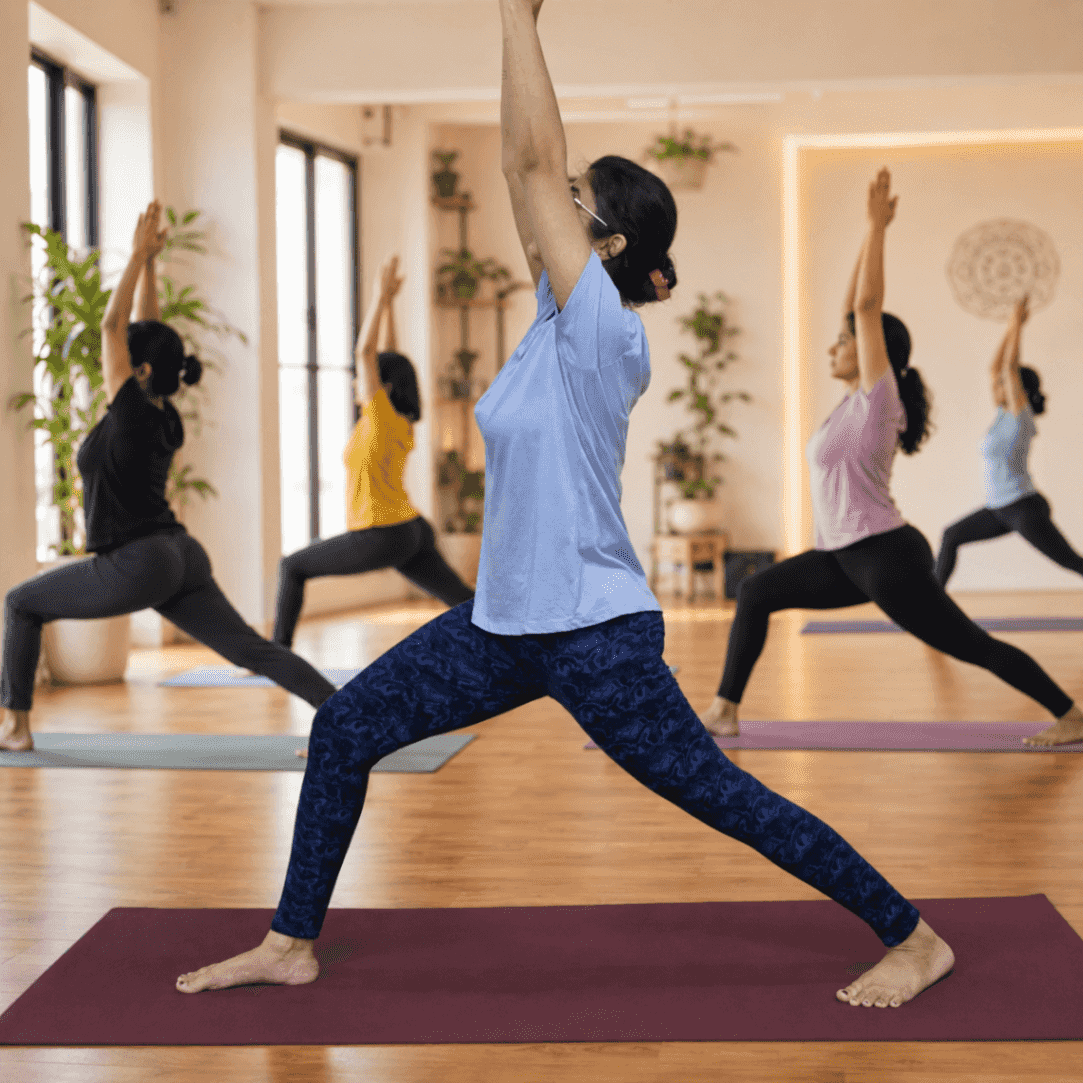
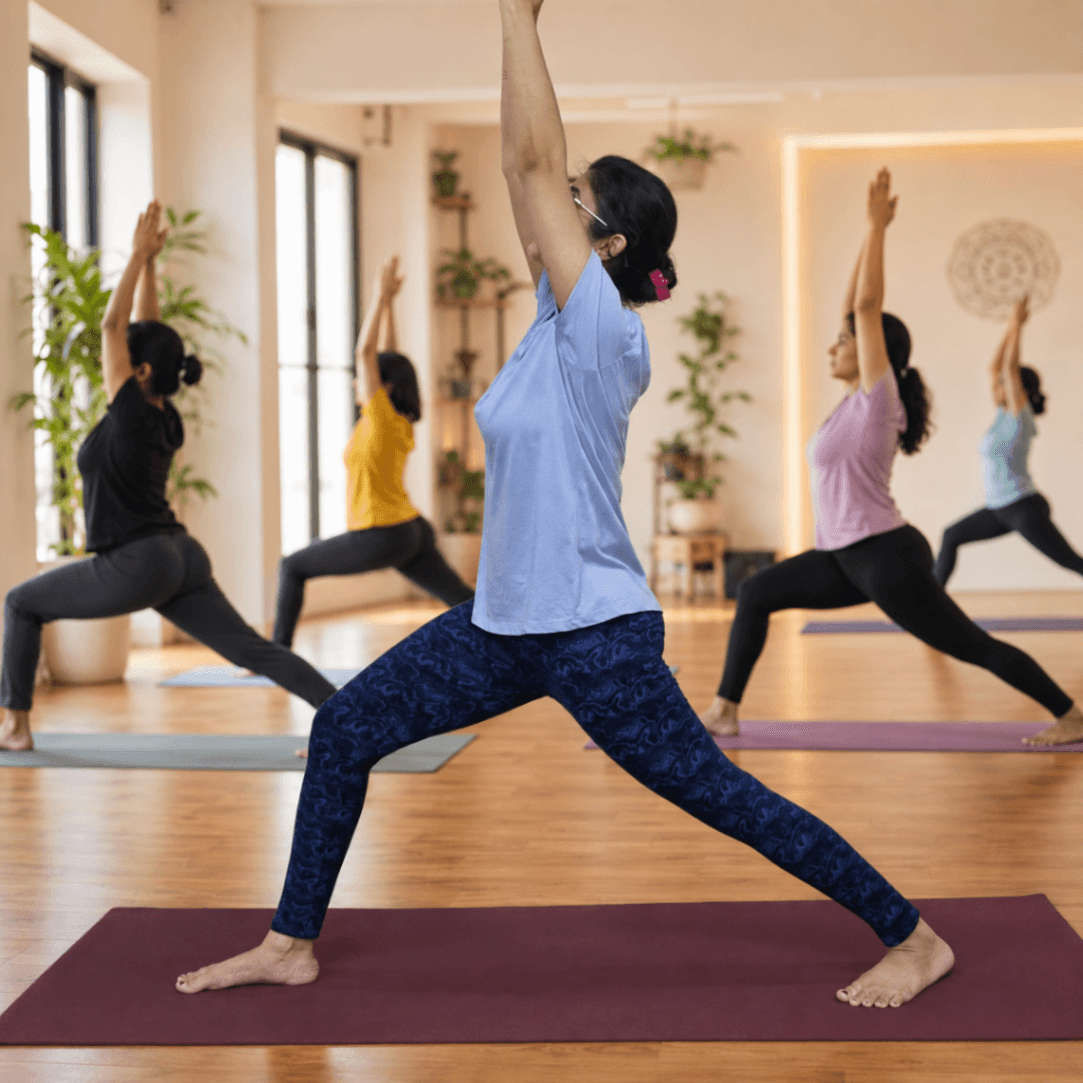
The reason a live balance class beats a video is specific rather than promotional: you cannot see your own balance. You feel the wobble but not what's causing it — a hip drifting, a locked knee, a gaze that keeps wandering. An instructor watching names it in real time.
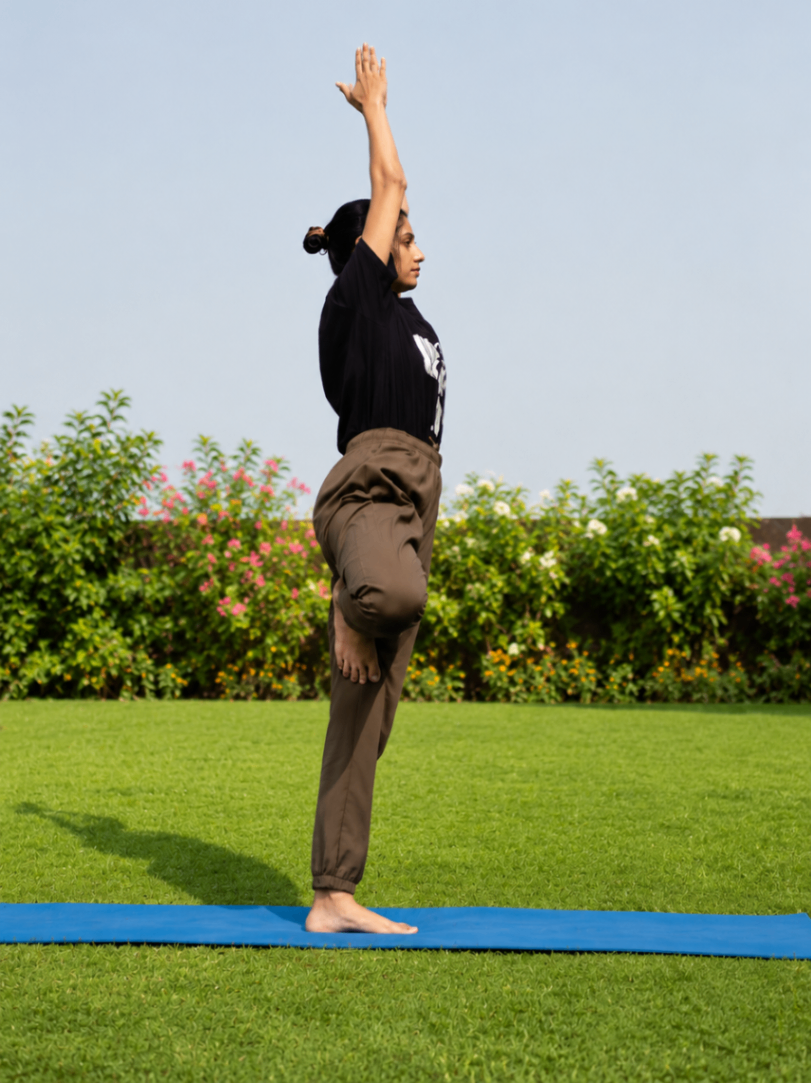
Yoga for Balance & Stability
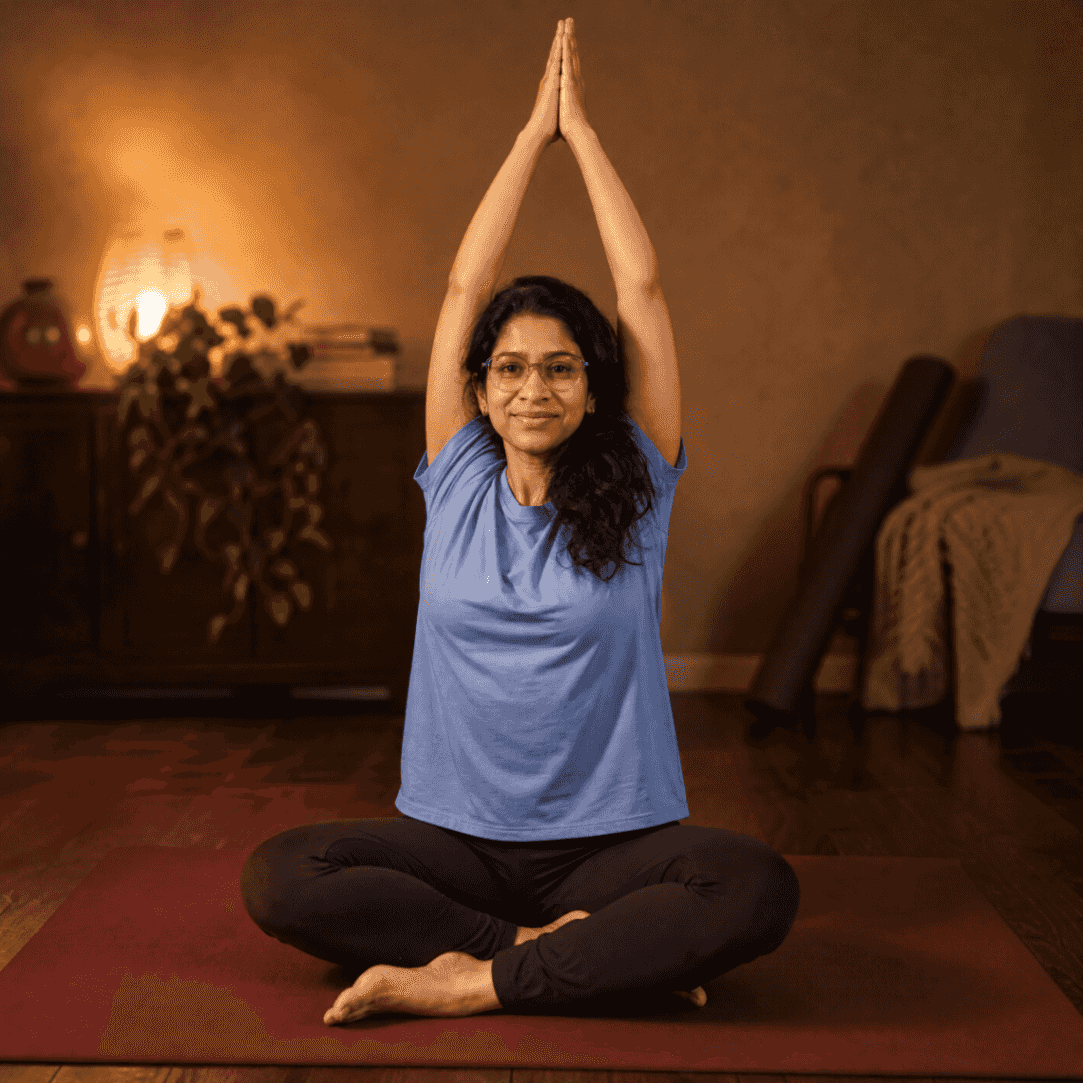
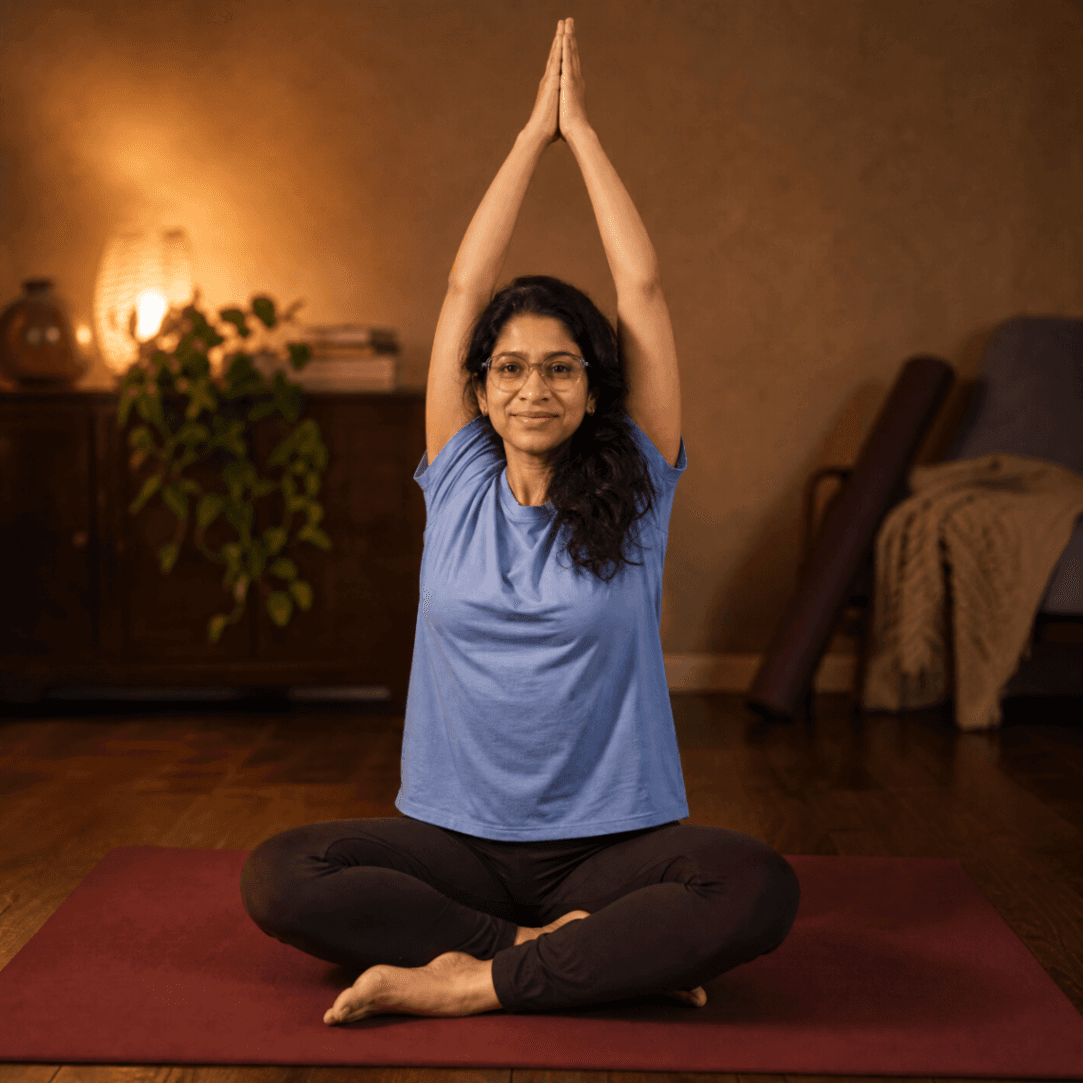
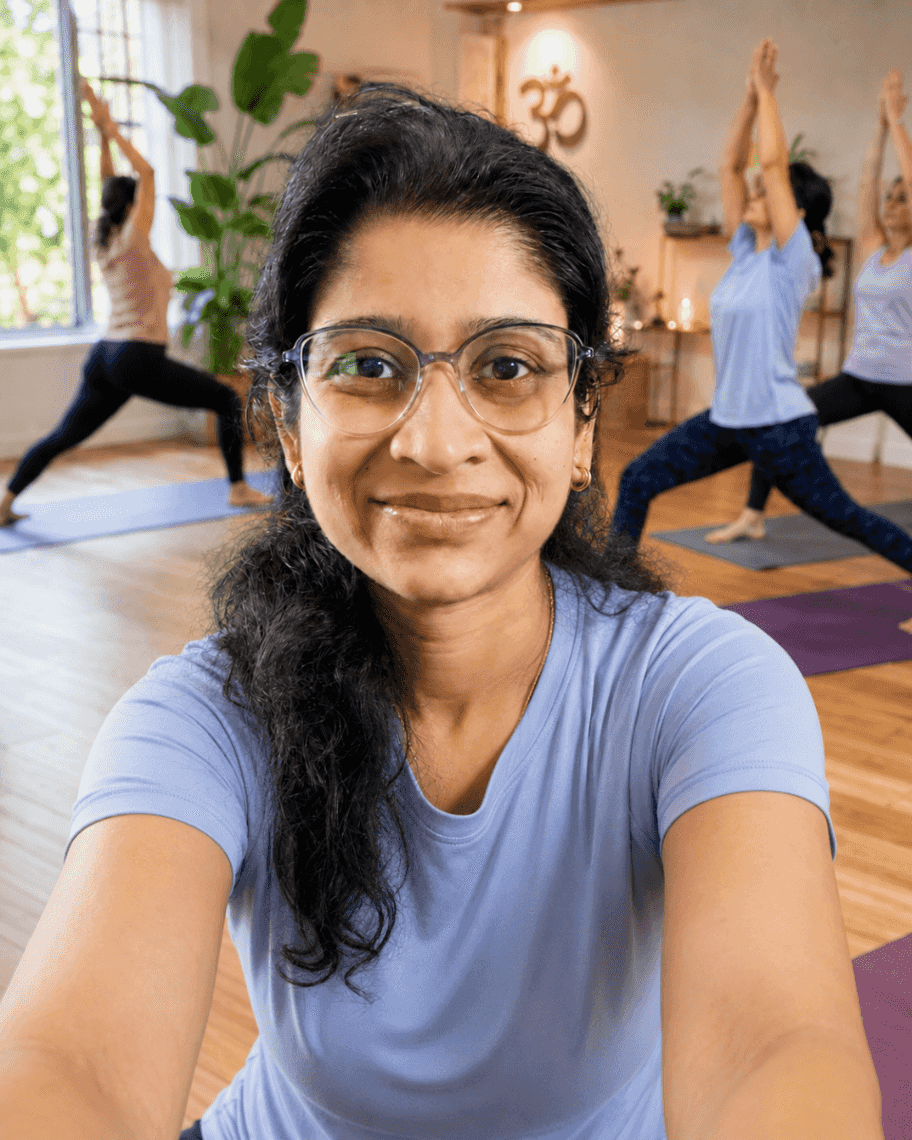
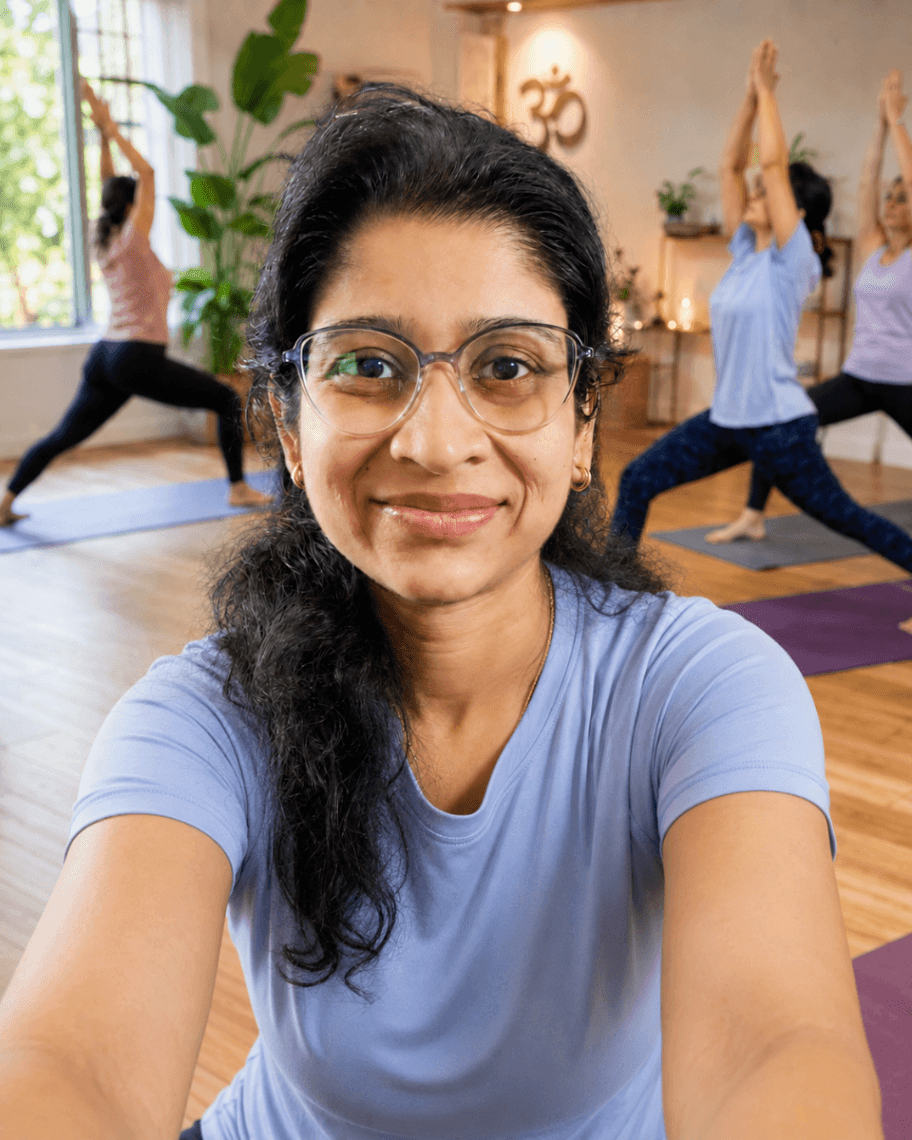
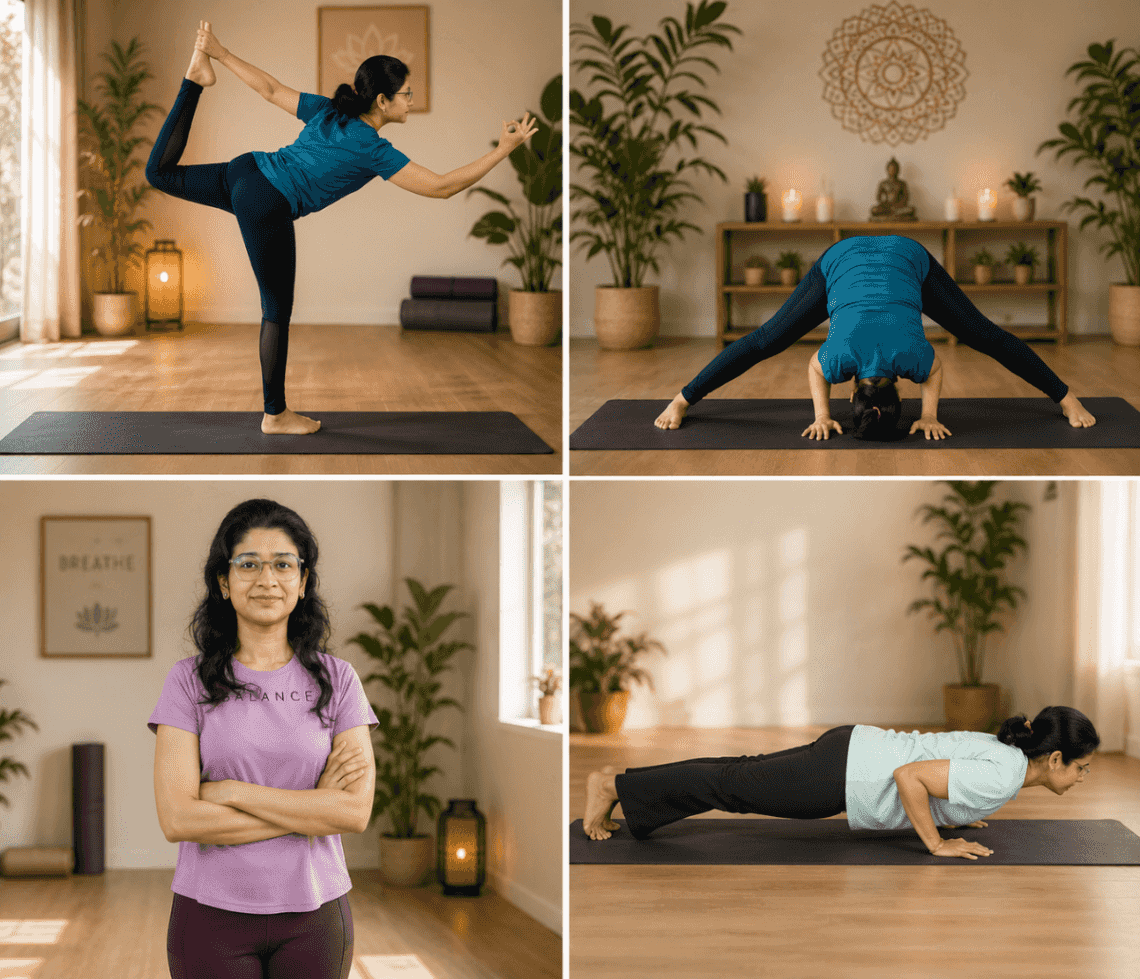
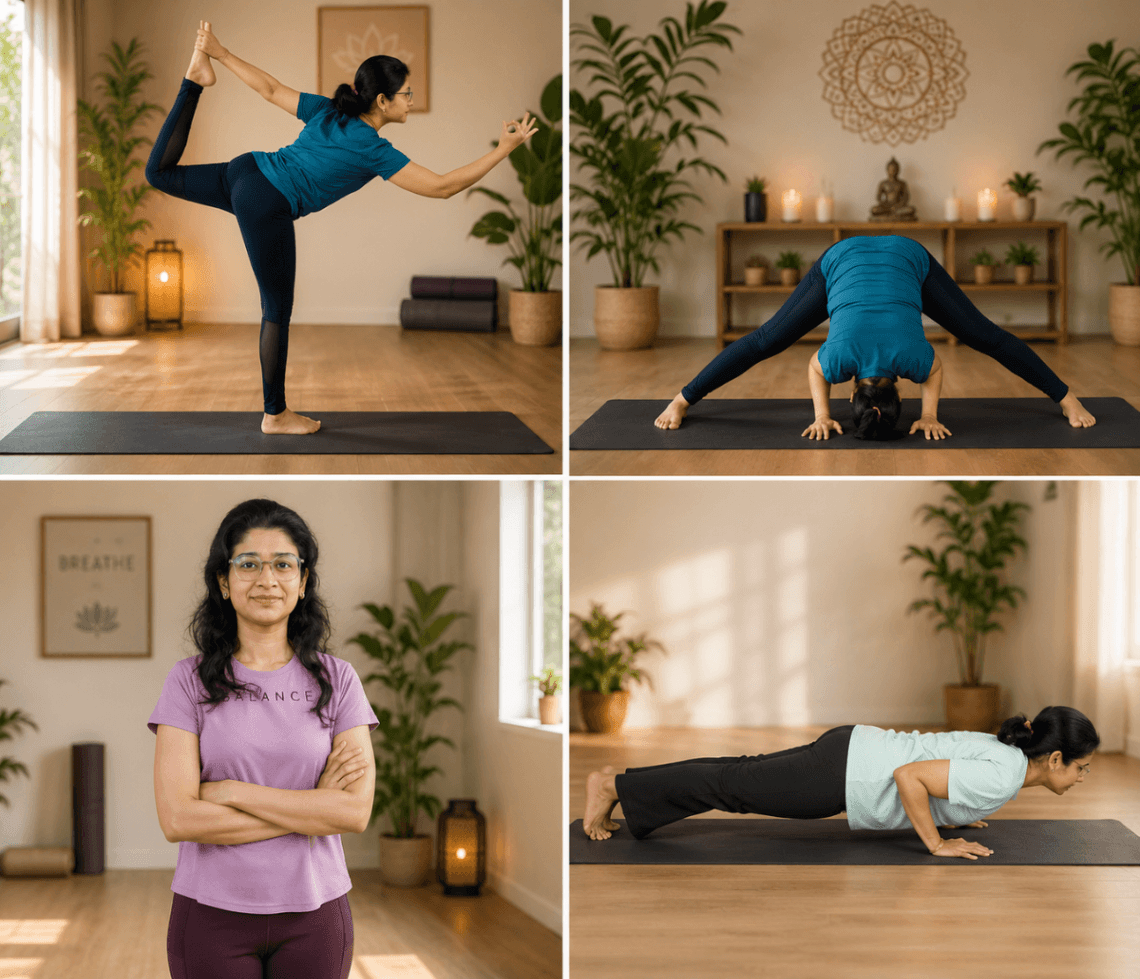
★★★★★5.0 (7 Reviews)Certified in Hatha and Vinyasa, teaching adults and kids. Her class description is precisely this article's subject — exploring balancing asanas to "ground yourself, cultivate stability, and build greater awareness of body and mind." Her own summary of her approach includes "breathwork for balance," which is the vestibular and attentional side most classes skip. Bring a mat, water, a quiet space, and eat at least two hours beforehand.
Book — $10 group Dhwani's profile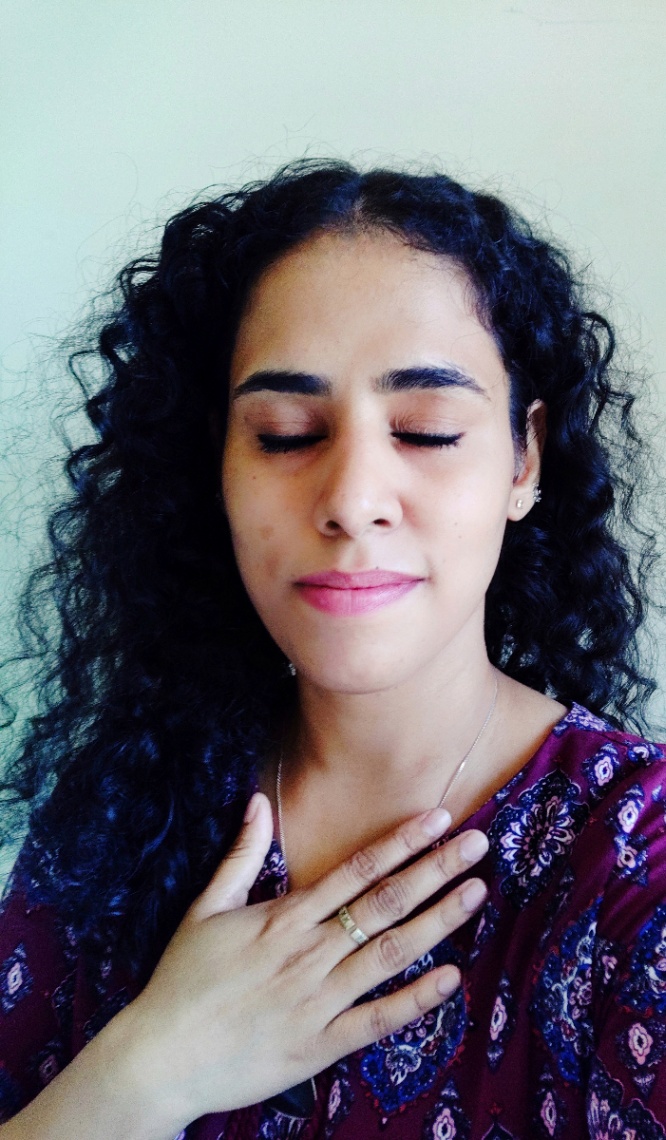
Yoga for Calm and Balance
★★★★★5.0 (5 Reviews)Five years teaching full-time online, with classes drawn from Ashtanga, Hatha, Vinyasa and Yin, and pranayama built into every session. This one matters because steadiness isn't purely muscular — a rushed, agitated nervous system wobbles more than a settled one. At $20 this is also the most affordable private session on the platform.
Book — $10 group Shishira's profile
Chair Yoga Break
★★★★★4.9 (25 Reviews)Thirty minutes, seated, with a sturdy chair the only requirement. If free-standing balance work feels like too much today, this builds the foundation with essentially no fall risk — and it's short enough to repeat often, which matters more than length.
Book — $10 group Yanina's profile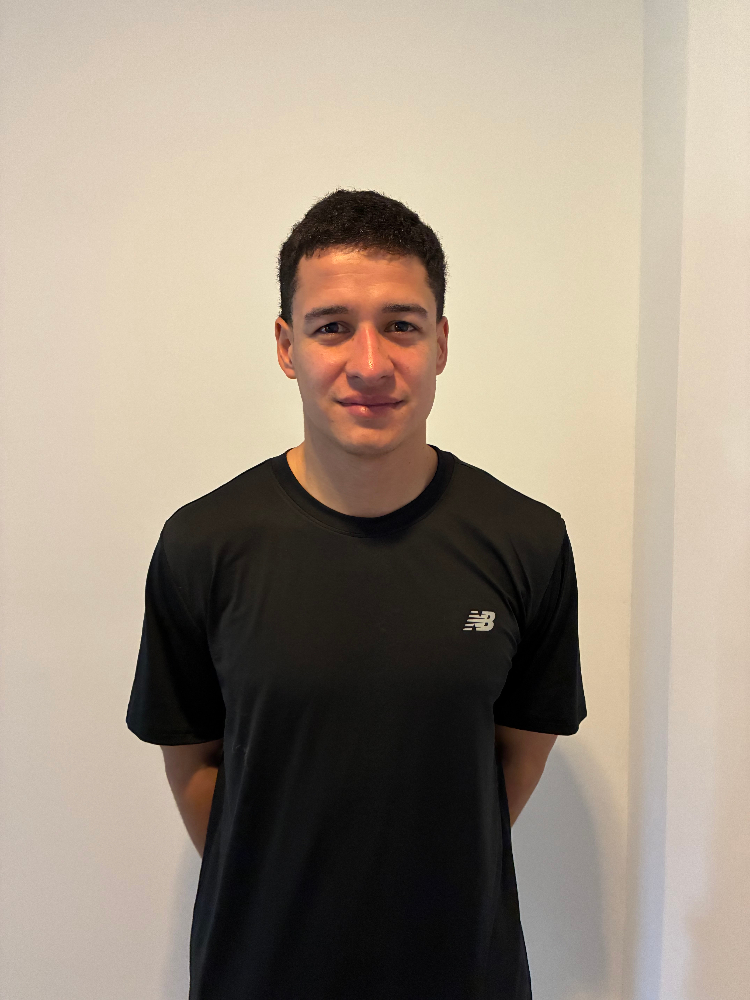
Full Body Strength & Fitness Training
★★★★★4.5 (1 Review)Balance without leg strength is a losing proposition. Forty-five minutes, beginner level, and the shortest strength option available — enough to build the quadriceps and glutes that hold a single-leg position steady.
Book — $12 group Martín's profilePick Your Starting Point
Steady already? Dhwani, $10, 5.0★. Want the calm side? Shishira, $10, 5.0★. Unsteady? Yanina's chair class, $10, 4.9★. Need leg strength? Martín, $12, 4.5★.
See all group classes Book a private sessionIf you're new to yoga entirely, our comparison of Hatha, Vinyasa and Yin covers which style suits what, and the sun salutation guide walks through the sequence most classes open with. For a shorter daily habit, see morning mobility routines. More at the blog, or browse the full host directory and fitness category.
Questions people ask
Does yoga actually improve balance?
Yes, and the mechanism is specific: balance depends on vision, the vestibular system in the inner ear, and proprioception — your body's internal sense of position. Standing yoga poses load all three at once, held long enough to train them. Proprioception in particular responds well to repeated practice at any age, which is why yoga balance poses tend to outperform isolated drills.
How long should I be able to stand on one leg?
As general orientation rather than diagnosis: many people under 40 manage 45 seconds or more, 30 to 40 seconds is common in the 50s, and 15 to 20 seconds is reasonable by the 70s. Being unable to reach 10 seconds is worth mentioning to a doctor. Always test beside a counter or sturdy chair you can grab.
What are the best yoga poses for balance?
Tree pose, Warrior III, Eagle, Half Moon, Chair pose for the leg strength underneath it all, and Mountain pose with the eyes closed. That last one is the most underrated — it removes vision entirely while keeping a stable base, isolating proprioception with almost no fall risk.
Is it cheating to hold a wall during balance poses?
No. Using a wall or chair back is correct practice, not failure. You train the system better holding a well-aligned position with light support than flailing through a poor one unsupported. The progression is toward less support over weeks, not within a single session.
How do I make balance poses harder without new poses?
Change the conditions rather than the pose. Reduce your support from two fingertips to one to none, then stand on a folded blanket or cushion, then close your eyes. Closing the eyes is by far the biggest jump in difficulty, because it removes the visual system entirely.
Can beginners and seniors do balance yoga?
Yes, and it is one of the more valuable things to start with. Beginning yoga for seniors often centres on balance and stability rather than flexibility, precisely because those systems are trainable at any age. Start seated or chair-supported if standing feels risky, and progress only when each stage feels genuinely steady.
Why does balance get worse with age?
All three balance systems change: vision alters, vestibular function gradually declines, and proprioceptive signalling from the feet and ankles becomes less precise. Leg strength and reaction speed also drop, so corrections arrive later and weaker. Proprioception and strength are both highly trainable, though, which is why this is not a decline you simply accept.
How often should I practise balance work?
Short and frequent beats long and occasional. Two poses per side, thirty seconds each, most days is a genuinely useful dose — it takes a few minutes. A weekly class adds the correction you cannot give yourself, since you can feel a wobble but not see what caused it.
Is a balance class better than practising alone?
For learning, yes — you cannot see your own balance. You feel instability without knowing whether it comes from a drifting hip, a locked standing knee or a wandering gaze. A live instructor names the cause in the moment. Solo practice between classes is what builds the adaptation.