
















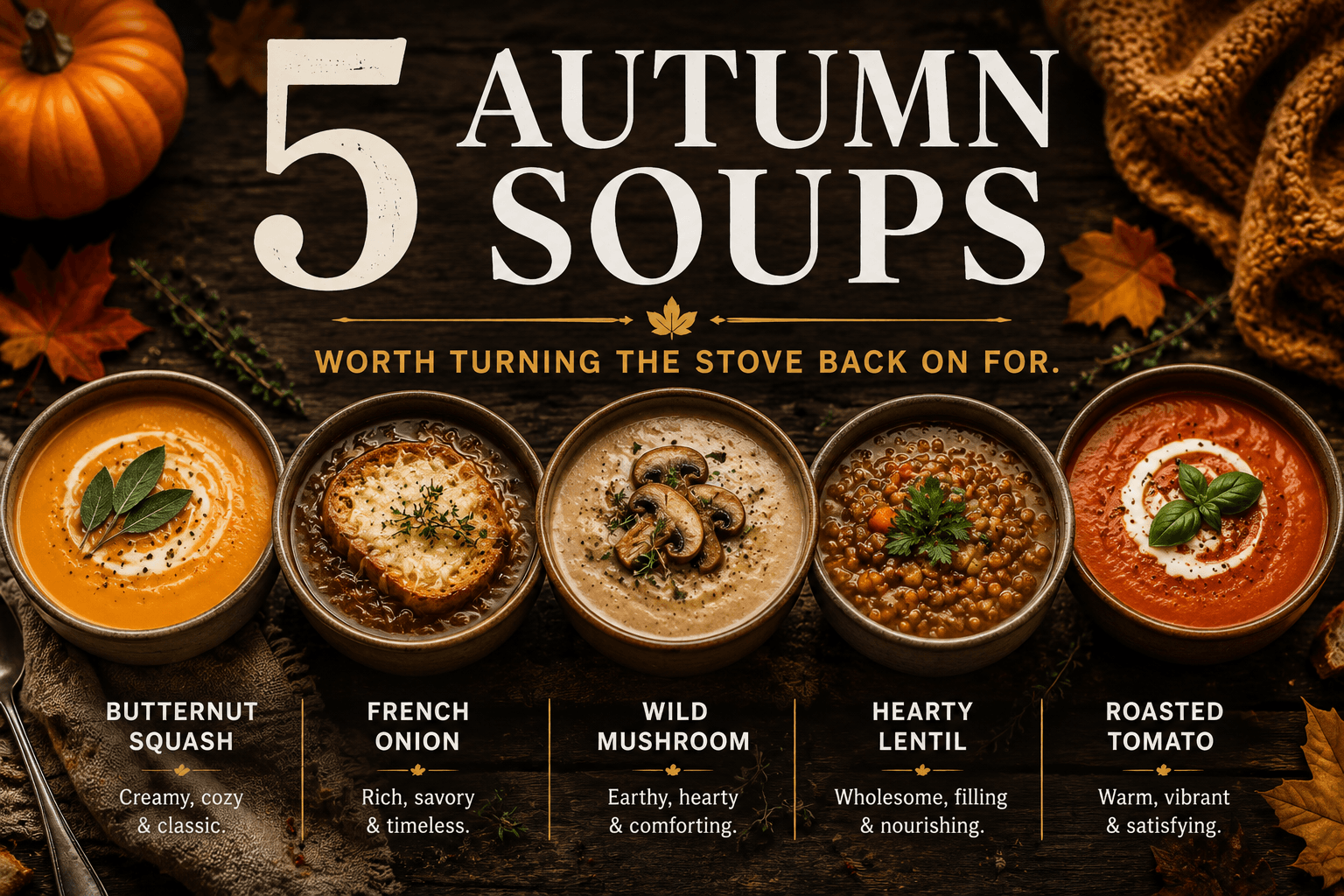
5 autumn soups worth turning the stove back on for
Not a list of five recipes. Five soups that each get their body from a completely different place — which is the only soup lesson that transfers to every other soup you'll ever make.
The short answer
Five soups worth the effort this autumn — roasted squash, French onion, New England clam chowder, tom yum, and lentil or split pea.
What makes them worth cooking together is that each one builds body a different way: purée, time, starch and dairy, nothing at all, and the pulse itself. Understand those five and you can fix any soup that came out thin or gluey.
And one correction up front: caramelised onions take 45 minutes to an hour, not the ten minutes recipes keep promising. That single fact fixes more bad French onion soup than any other tip.
Five soups, five ways to build body
Most autumn soup articles are five recipes with a photograph of a knitted blanket. Here's a more useful way to think about it.
Every soup gets its texture from somewhere specific, and there are only a handful of places it can come from. Learn which mechanism a soup is using and you stop following recipes blindly — you can diagnose a thin soup, thicken it without flour, and know when cream is doing real work versus just adding fat.
These five cover the whole range between them.
| Soup | Where the body comes from | What ruins it |
|---|---|---|
| Roasted squash | Purée — vegetable starch, concentrated by roasting | Boiling instead of roasting |
| French onion | Time. Nothing else. | Rushing the onions |
| Clam chowder | Potato starch plus dairy | Letting it boil |
| Tom yum | Nothing — clarity is the point | Trying to thicken it |
| Lentil / split pea | The pulse itself, as it collapses | Adding acid too early |
Roasted squash — body from purée
Roasted Squash Soup
Body: purée · the archetypal autumn soup
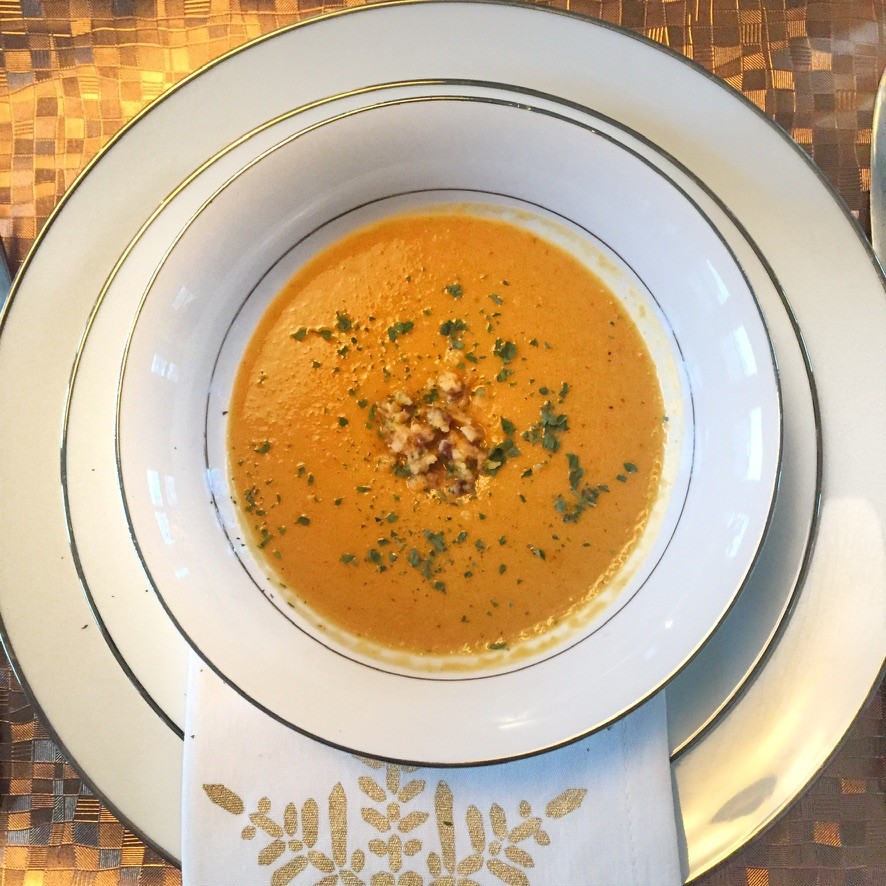
Butternut, crown prince, kabocha — any dense winter squash. Halve it, oil it, roast it cut-side down at a high heat until the edges are properly browned and a knife goes through with no resistance. Then scoop, blend with hot stock, season.
That's it. The complexity comes from the oven, not the pot.
The mistake: boiling the squash. It's what most recipes tell you to do and it's why so much squash soup tastes like sweet water. Boiling leaches the sugars into liquid you then partly discard, and it adds no browning at all. Roasting drives water off, concentrates what's left, and builds Maillard flavour that boiling can never produce.
If you've been compensating with cream, try roasting instead. A properly roasted squash soup needs very little dairy — the body is already there in the purée.

French onion — body from time alone
This is the soup with no thickener, no purée, no starch and no cream. Everything it has comes from onions cooked long enough to transform. Which brings us to the most widespread lie in recipe writing.
Caramelised onions do not take ten minutes
They take 45 minutes to an hour over low heat. Julia Child put it at 35 to 45. Anything shorter gives you browned onions, which is a different thing with a different taste.
The writer Tom Scocca documented this properly, going through published recipes claiming ten minutes, five minutes, "soft and caramelised" in a quarter of an hour — from cookbook authors who certainly knew better. His theory: relentless pressure to publish recipes that fit inside thirty minutes.
The detail that makes the point perfectly: for a while, Google's featured answer for "how long does it take to caramelise onions" said about five minutes — and pulled that line from Scocca's own article debunking it.
French Onion Soup
Body: time · roughly an hour before the stock goes near it
Sliced yellow onions, butter, low heat, a wide pan. Stir every four or five minutes early on while they release water, then less often. Yes, less often — constant stirring works against you, because contact with the hot pan is where the flavour is made.
They'll go translucent, then straw, then gold, then a deep jammy brown. That last stage is the one people never reach.
Honest shortcuts, with their costs: a quarter-teaspoon of bicarbonate of soda per pound raises the pH and speeds browning to around twenty minutes — but testing at Food Network found it can leave a metallic taste, and added sugar makes the result cloying. The one trick with no downside is briefly steaming the onions with a splash of water first, so more of them touch the pan surface at once.
Clam chowder — body from starch and dairy
New England Clam Chowder
Body: potato starch plus dairy · coastal autumn cooking
Render salt pork or bacon, sweat onion in the fat, add diced floury potatoes and clam liquor, simmer until the potatoes are giving up starch and starting to break at the edges. Then dairy, then the clams, briefly.
The potato is the thickener. Choose a floury variety — a waxy one holds together and leaves you with a thin broth and neat cubes, which isn't chowder.
The rule that matters: once dairy is in, never let it boil. A bare simmer, no more. Boiling curdles it, and no amount of whisking brings it back. This is the single most common chowder failure.
Clams themselves need almost no cooking — a couple of minutes at the very end. Overcooked clams turn to rubber exactly as prawns do.
Chowder, Taught Live
Shawnie Kelley's Taste of Cape Cod covers clam chowder and Portuguese mussels — 90 minutes, beginner level, $30 in a group or $50 private. She's rated 5.0★ and has taught culinary programs for 18+ years.
Book Cape Cod — $30 group All cooking classesTom yum — body from nothing
Every list like this is heavy by the fourth entry. Here's the corrective, and it's here to make a point rather than for variety.
Tom Yum
Body: none · and that's deliberate
Lemongrass, galangal and makrut lime leaves, bruised and left whole, steeped in stock. Prawns, mushrooms, chilli. Lime juice and fish sauce added off the heat at the very end, because boiling lime juice flattens it.
Clear, sharp, sour. No thickener, no cream, no purée — and it is every bit as warming as a chowder, because heat in soup comes from chilli and aromatics as much as from fat.
Don't thicken it. If your instinct on a cold evening is to add coconut milk, that's a different and also excellent soup — but it's tom kha, not tom yum. The aromatics are never chopped small, either — they are bruised whole so they can infuse, and pushed aside in the bowl. Shawnie Kelley’s Thai Classics class covers both the soup and the curry in one session.
Lentil and split pea — body from the pulse
Lentil or Split Pea Soup
Body: the pulse itself · the pantry soup
Split red lentils and split peas collapse as they cook, releasing starch and thickening the soup without any help. Brown and green lentils hold their shape, so if you want body from those you blend part of the pot and stir it back through.
Aromatics, stock, pulses, simmer. It's the least demanding soup here and often the best on a Wednesday.
The timing rule: acid goes in last. Tomatoes, vinegar and lemon all slow the softening of pulses considerably — add them early and you'll be simmering for an hour wondering why the lentils are still firm. Cook them through first, then acidify. Salting early, incidentally, is fine; the old warning about salt toughening pulses has been overturned.
Three mistakes that flatten any soup
- Under-seasoning, then adding cream to compensate. Cream mutes rather than lifts. If a soup tastes flat, it usually needs salt and an acid — a squeeze of lemon at the end wakes up almost any vegetable soup.
- Blending everything smooth by default. Texture is flavour's delivery system. Leave some soups chunky, or blend two-thirds and stir the rest back in.
- Adding the herbs at the start. Hardy herbs like thyme and bay belong early; soft ones — parsley, coriander, dill — lose everything in a long simmer and belong in the bowl.
One safety note about blending
A sealed blender full of hot soup builds steam pressure and can force the lid off — a genuinely common kitchen burn. Blend in batches, remove the centre cap and cover the gap with a folded towel, or use a stick blender directly in the pot.
Learning it live
Something worth pointing out about the P2Bridge culinary catalogue right now: four of Shawnie Kelley's five classes contain a soup. Autumn Soups, clam chowder in the Cape Cod class, tom yum in the Thai class, and her Vietnamese session. She is, in practical terms, the platform's soup specialist.
Soup is also a better candidate for live instruction than it first appears. The judgement calls — is this thick enough, have the onions gone far enough, is the chowder about to break — are exactly the things a photograph can't settle and a person watching can answer in a sentence.

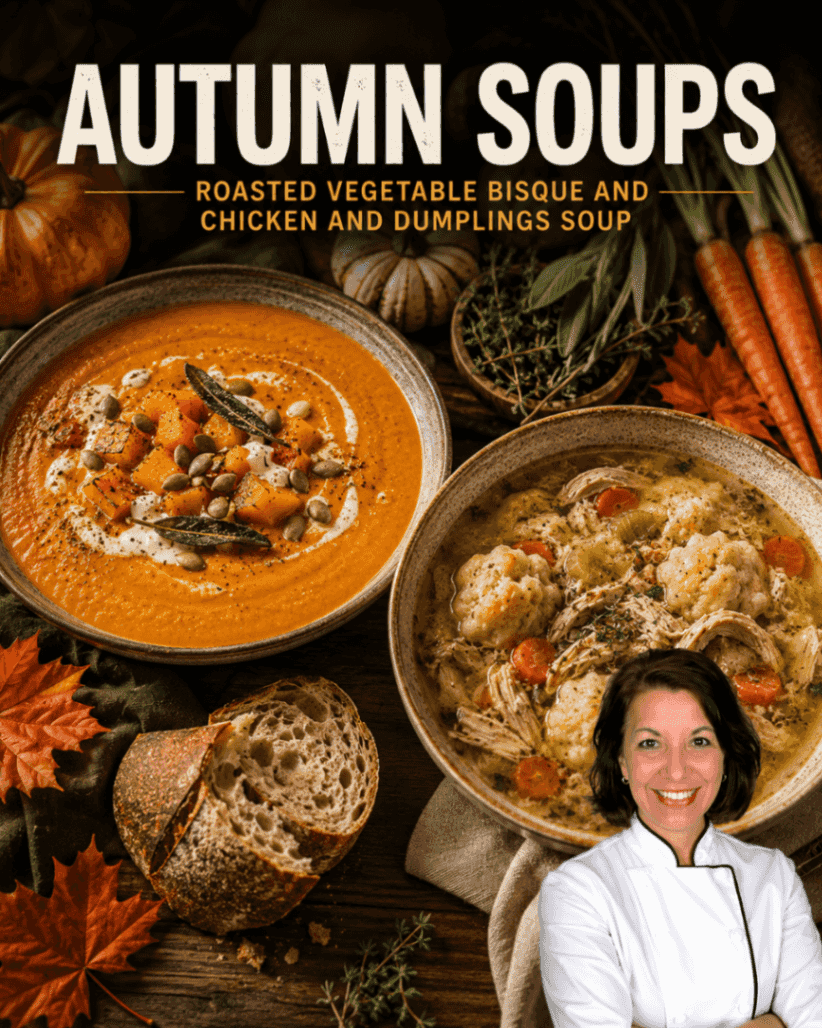
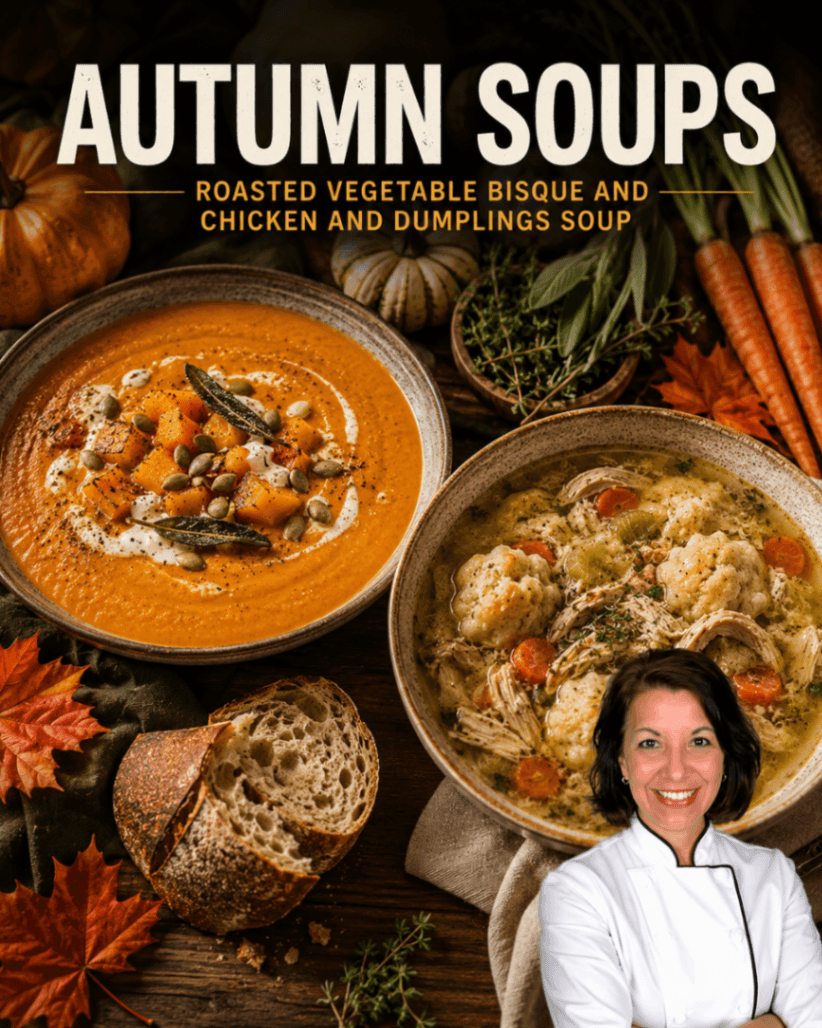
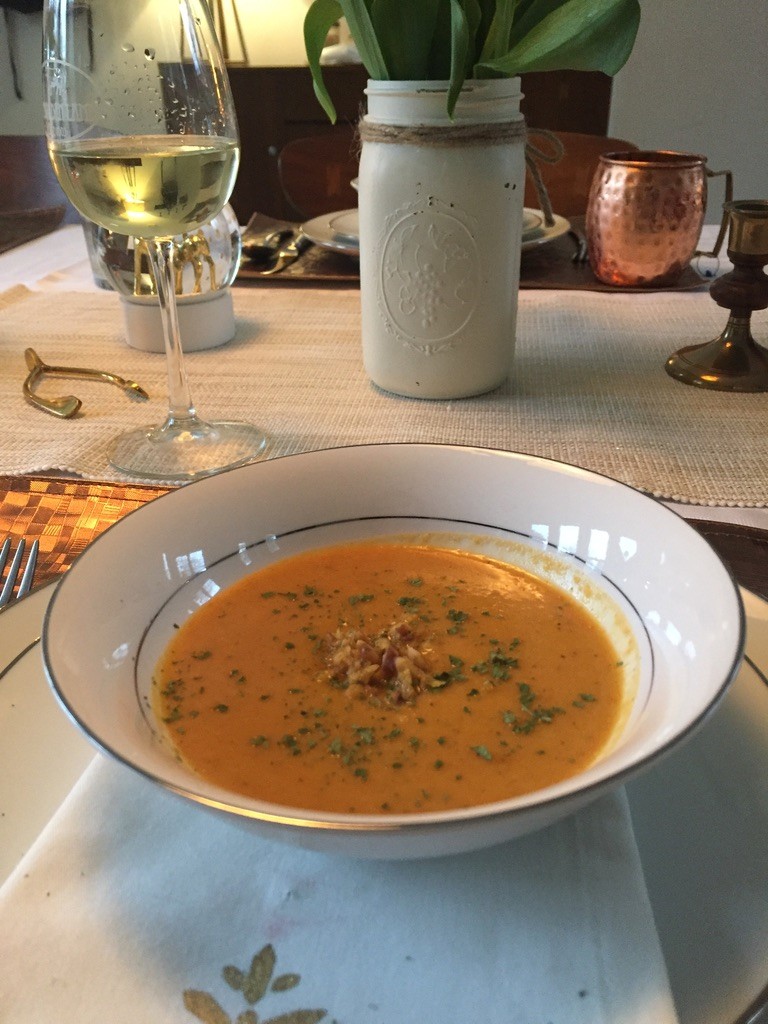
Autumn Soups
★★★★★ 5.0Ninety minutes of seasonal soup cooking with someone who leads culinary programs professionally and writes about food and travel. She publishes her cooking publicly, so you can watch how she teaches before booking — worth doing, since teaching style matters more in a live class than a menu does.
Two More Soups, Two More Countries
Her Thai Classics covers tom yum at $30 group ($50 private), and Vietnamese at Home runs $50. Both 90 minutes, beginner, 5.0★. Between them and the Cape Cod class, that's four soups across four cuisines with one instructor.
Thai Classics — $30 group Vietnamese at Home — $50More reading: our guide to shrimp and grits traces a dish’s real origins and shares the same never-boil-the-dairy discipline as a chowder. Browse the culinary category, the host directory, private sessions, group classes, current offers, or the blog. Teams can cook together via P2Bridge for Teams, and you can become a host.
Questions people ask
How long does it really take to caramelise onions?
Forty-five minutes to an hour over low heat. Julia Child put it at 35 to 45 minutes. Recipes claiming ten or fifteen minutes produce browned onions, which taste noticeably different and sharper. Adding a quarter-teaspoon of bicarbonate of soda per pound speeds it to around twenty minutes by raising the pH, but testing suggests it can leave a metallic edge.
How do I thicken soup without flour or cream?
Use the ingredients already in it. Blend a portion of the soup and stir it back through. Add a floury potato and let it break down. Use split red lentils, which collapse and thicken on their own. Or simply reduce it further — much of the time a thin soup is just a soup with too much liquid in it.
Why is my squash soup watery and bland?
Almost certainly because the squash was boiled rather than roasted. Boiling leaches the sugars into water and adds no browning. Roasting cut-side down at a high heat until the edges brown drives off moisture, concentrates the flavour and builds Maillard compounds. A well-roasted squash soup needs very little cream.
Why did my clam chowder curdle?
It boiled after the dairy went in. Once cream or milk is added the soup must stay at a bare simmer, and there's no fixing it once it splits. Use a floury potato rather than a waxy one too — the potato starch is what actually thickens a chowder, not the dairy.
When should I add acid to lentil soup?
At the end. Tomatoes, vinegar and lemon juice all slow the softening of lentils and beans considerably, so adding them early leaves you simmering far longer than expected with pulses that stay firm. Cook the pulses through first, then acidify and adjust. Salt, contrary to older advice, is fine to add early.
Can autumn soup be light rather than heavy?
Yes, and tom yum is the proof. It has no thickener, no cream and no purée, yet it's genuinely warming — because warmth in a soup comes from chilli, aromatics and temperature as much as from fat. If you thicken it with coconut milk you've made tom kha, which is a different and equally good soup.
Is it safe to blend hot soup?
With care. A sealed blender full of hot liquid builds steam pressure and can force the lid off, which causes a lot of avoidable kitchen burns. Work in batches, remove the centre cap and cover the opening with a folded towel, or use a stick blender directly in the pot.
Which herbs go in early and which go in late?
Hardy herbs — thyme, rosemary, bay, sage — go in early and improve with simmering. Soft herbs like parsley, coriander, dill and basil lose their aroma quickly and belong in the bowl at the end. Adding soft herbs at the start is one of the commonest ways to waste them.