



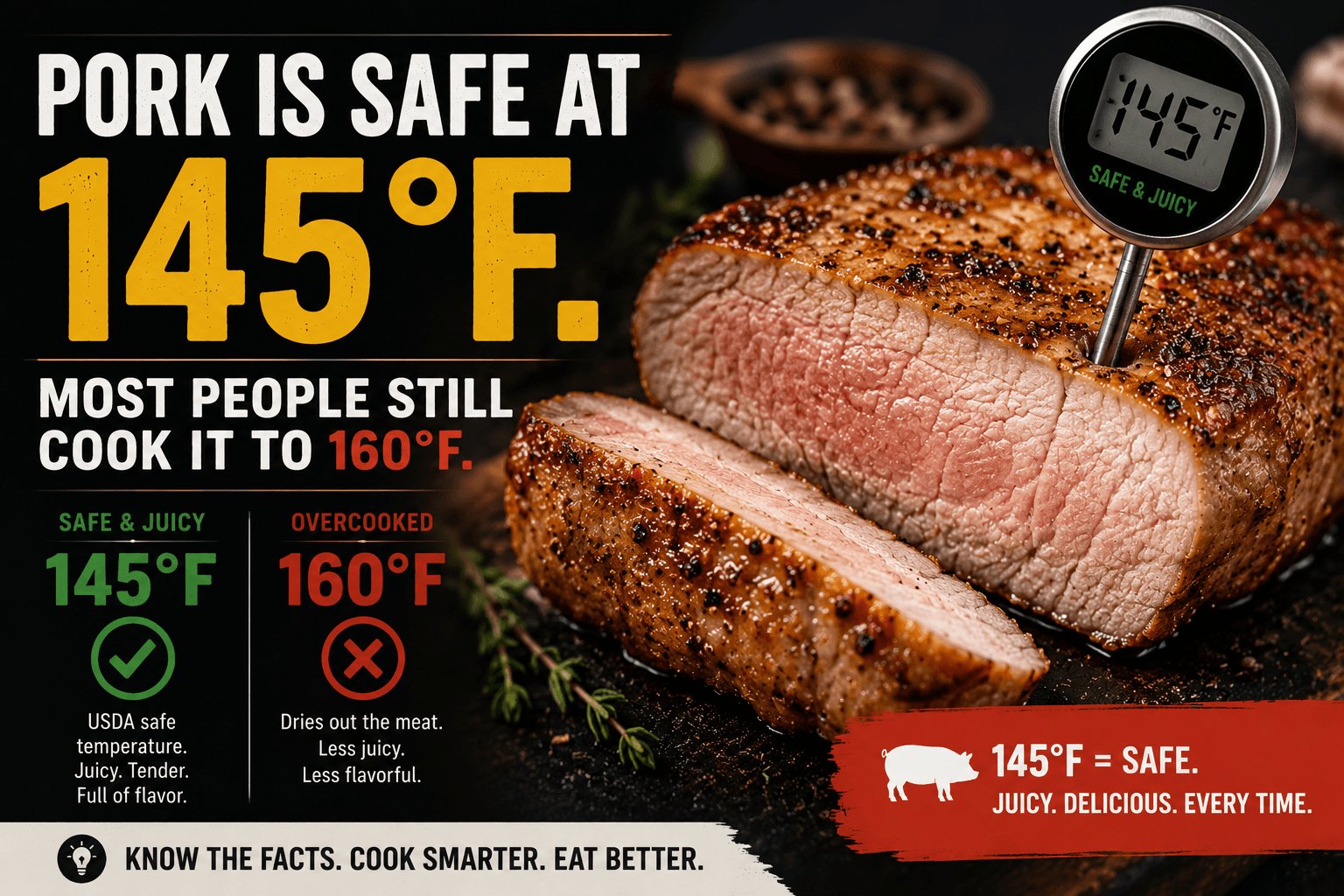
Pork is safe at 145°F. Most people still cook it to 160°F.
The rule changed in 2011. An entire generation of home cooks was taught the old number, nobody sent a correction, and dry pork has been the result ever since.
The short answer
Whole cuts of pork — chops, roasts, tenderloin — are safe at 145°F (63°C) with a three-minute rest. USDA lowered the figure from 160°F on 24 May 2011.
Ground pork is different and still needs 160°F, with no rest required. Grinding spreads surface bacteria through the whole mass.
And the part people can't quite believe: pork cooked to 145°F and rested may still be pink in the middle, and that is safe. USDA says so explicitly.
What changed in 2011 — and why
On 24 May 2011, USDA's Food Safety and Inspection Service lowered the recommended safe minimum internal temperature for whole cuts of pork from 160°F to 145°F, adding a three-minute rest.
That's fifteen years ago. Ask most home cooks today what temperature pork needs and you'll still hear 160. The number was drilled into a generation through home economics classes, church cookbooks and parental instruction, and nobody issued a recall.
The old rule existed for a real reason. Trichinella spiralis is a parasitic roundworm that pigs could pick up from soil, rodents and wildlife when they were raised outdoors and ate whatever they found. Trichinosis was a genuine hazard, and 160°F was the belt-and-braces answer.
What changed was farming, not chemistry. Pigs moved indoors into bird-proofed, rodent-controlled, biosecure housing. Exposure collapsed. As one swine industry researcher put it at the time, moving pigs inside and applying rodent control dramatically reduced disease incidence over four decades.
Meanwhile the actual kill temperature was never 160 in the first place. Trichinella dies at 137°F. The margin at 145°F is comfortable.
Worth knowing about the timing
The FDA had already permitted 145°F for roughly a decade before USDA followed. Professional chefs had been cooking pork that way for years — the 2011 change didn't introduce a new practice, it sanctioned an existing one.
Which is why restaurant pork so often tastes better than home pork. It's not skill. It's a different number.

Three numbers, and that's the whole system
The 2011 change wasn't only about pork. It unified whole cuts — pork joined beef, veal and lamb at the same standard, having been the outlier. USDA's Under Secretary for Food Safety at the time, Elizabeth Hagen, framed the benefit plainly: consumers would now have only three numbers to remember.
| Temperature | Applies to | Rest |
|---|---|---|
| 145°F / 63°C | All whole cuts — pork, beef, veal, lamb. Chops, roasts, steaks, tenderloin. | 3 minutes |
| 160°F / 71°C | All ground meats — pork, beef, veal, lamb. | None needed |
| 165°F / 74°C | All poultry, whole or ground. | None needed |
That's it. Three numbers covers essentially every piece of meat you'll cook.
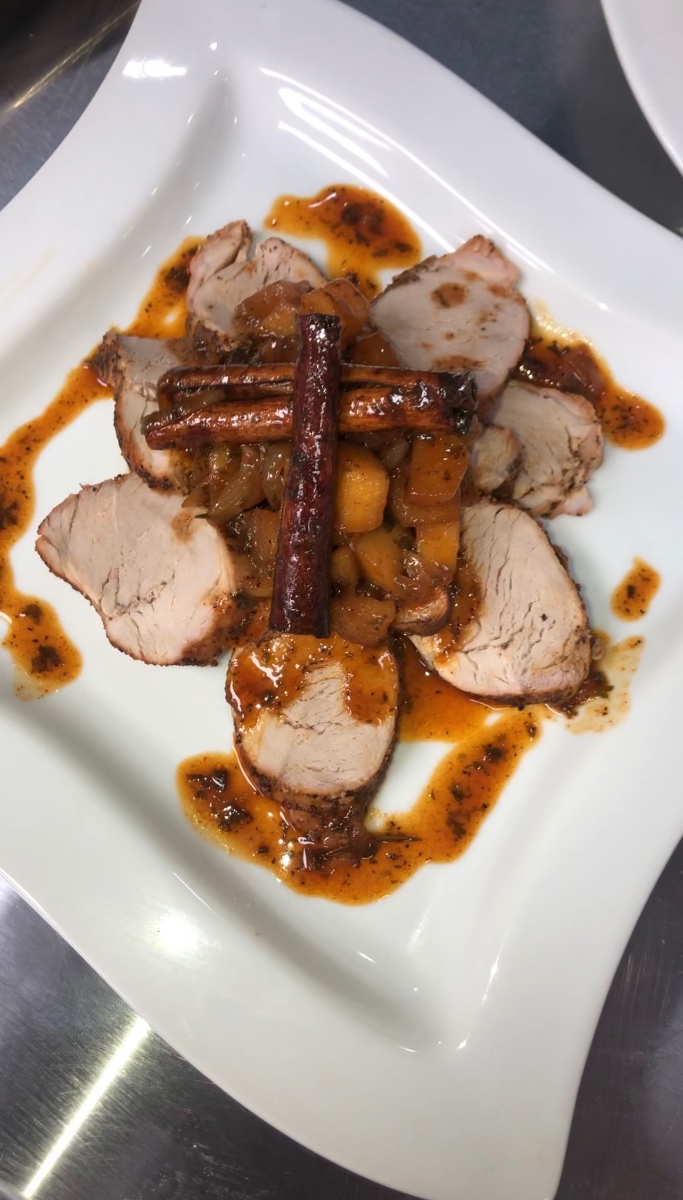
Cook a Tenderloin to 145°F, Live
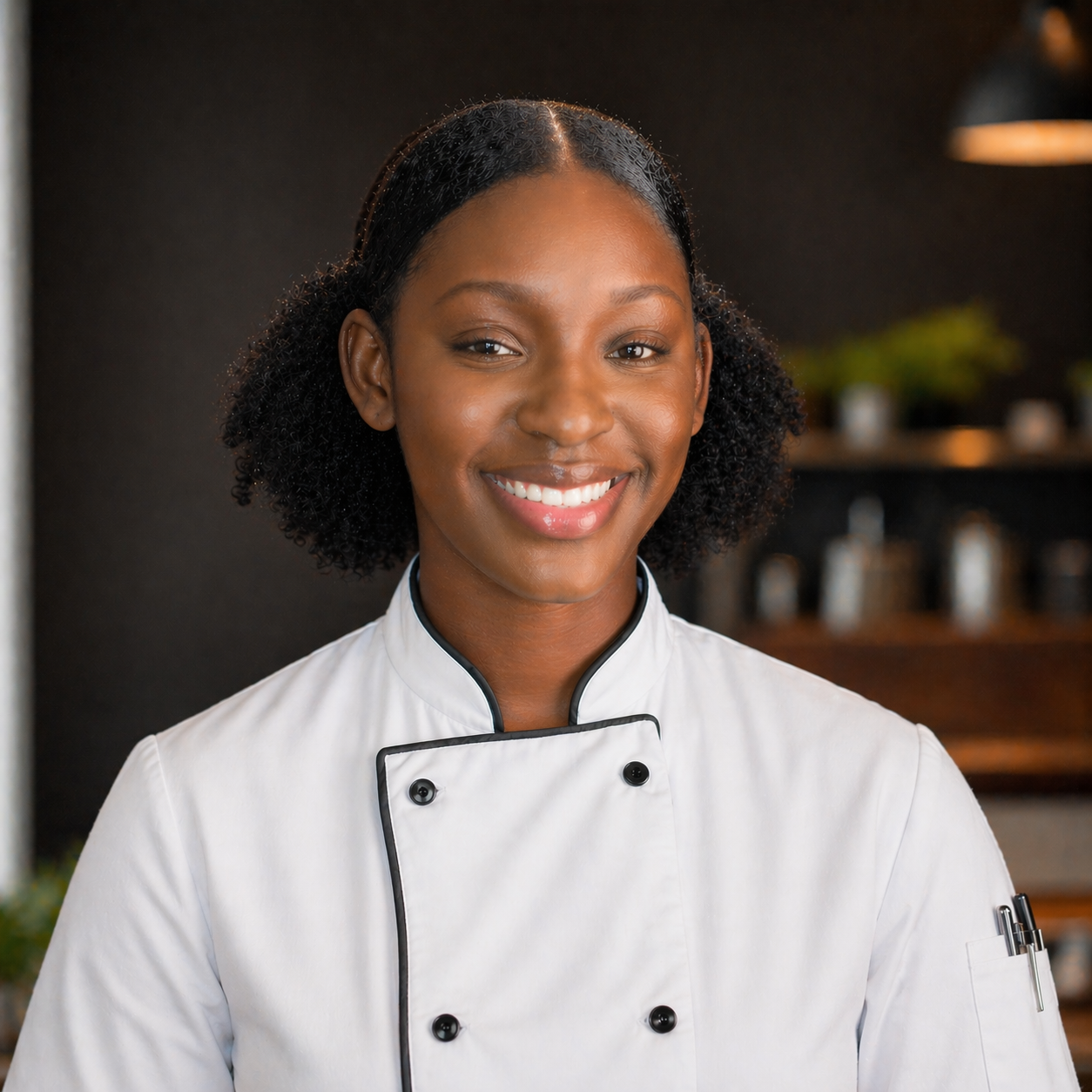
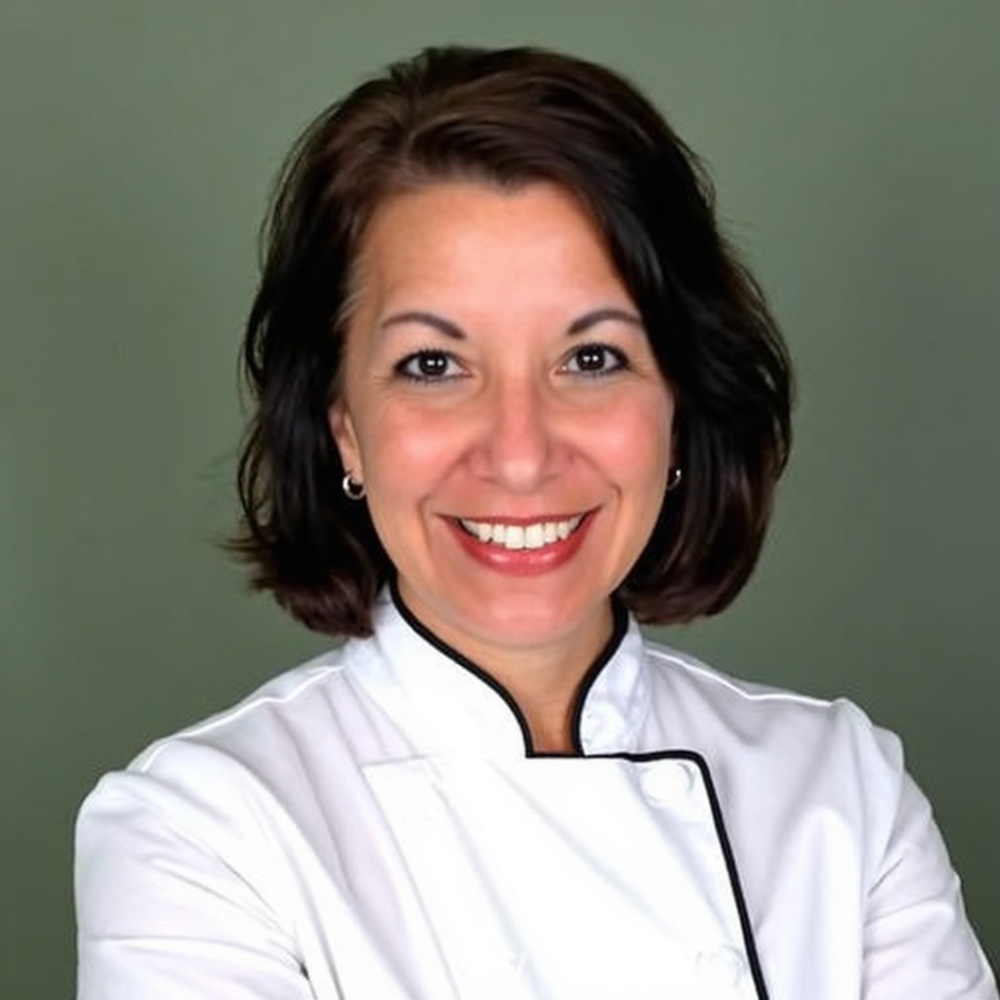
Mackaeda Mc Kenzie's Juicy Pork Tenderloin with Spiced Rum & Apple Reduction runs 60 minutes — $30 in a group or $60 private. She's a Premier Host rated 4.9★ from 14 reviews.
Book Pork Tenderloin — $30 group All pork classesWhy ground pork is the exception
Here's where people over-apply the good news, and it matters.
A whole pork chop carries bacteria on its surface only. The interior of an intact muscle is essentially sterile. When you sear the outside, you kill what's there — which is exactly why a steak can be served rare and a chop can be served at 145°F.
Grinding destroys that geometry. Every surface becomes interior. Whatever was on the outside of the meat is now distributed evenly through the whole mass, so the entire thing has to reach a safe temperature. Hence 160°F for ground pork, with no rest required.
This catches people out in specific places: burgers, meatballs, sausage, meatloaf — and dumpling fillings, which is the one nobody thinks about because the filling is hidden inside dough and you can't see it at all.

The 160°F Case, Taught Properly
Denise Fan's Pork & Cabbage Pot Stickers is a minced-pork class — 60 minutes, intermediate, $50 group or $60 private. Rated 5.0★ from 3 reviews. Verified Host, South Africa, 10 years' experience.
Book Pot Stickers — $50 group Denise's profileThe three-minute rest is doing real work
The rest isn't a serving suggestion or a nicety about juices redistributing. It's part of the safety standard, and the 145°F figure doesn't hold without it.
During those three minutes off the heat, the meat's internal temperature holds steady or continues to rise. That sustained period at temperature is what completes pathogen reduction — and it's the same rest interval that federally inspected meat plants rely on to produce safe cooked product.
So: pull the pork at 145°F measured on a thermometer, take it off the heat, and leave it alone for three minutes before carving. Not ninety seconds because you're hungry.
Pink pork is safe pork
This is the hardest part for people to accept, and USDA addresses it head-on: pork cooked to 145°F and rested for three minutes may still be pink and is safe to eat.
Colour is a poor doneness indicator generally. It's affected by the pig's age and diet, by the pH of the meat, by whether the cut was frozen, and by nitrites in any cure. Meat can look done and be underdone; it can look pink and be perfectly safe. The only reliable instrument is a thermometer.
If a faint blush in the centre of a chop still bothers you, cook it to 150°F and accept a slightly firmer result. That's a preference, and preferences are fine. What isn't useful is going to 160 because of a rule that was superseded fifteen years ago.
Shoulder: safe at 145°F, still wrong at 145°F
Here's a distinction almost no article makes, and it prevents a genuinely bad dinner.
Pork shoulder is safe at 145°F. It is also, at 145°F, extremely tough and completely unshreddable.
That's because shoulder is full of collagen, and collagen doesn't begin converting to gelatin until well above any safety threshold. Pulled pork needs 195–205°F — a full fifty degrees past safe — and that requirement is about texture, not pathogens.
So there are two separate questions to ask of any cut: is it safe? and is it good? For a tenderloin they're answered at the same temperature. For a shoulder they're fifty degrees apart. Confusing the two is why people either serve tough pulled pork or overcook a tenderloin into cardboard.
The quick version by cut
Fast and hot to 145°F: tenderloin, chops, loin roast. Slow and long to 195–205°F: shoulder, butt, belly, ribs. 160°F throughout: anything minced.
Wild boar is a different animal
Literally. The 2011 change rests on modern commercial farming — indoor housing, biosecurity, controlled feed. Wild boar and feral hog have had none of that, and they remain a genuine trichinella risk.
Cook wild pork to 160°F. Bear meat too, for the same reason. If you're cooking game rather than something from a supermarket, the old rule still applies and it applies for the original reason.
Using a thermometer properly
All of this collapses without one, and most people who own a thermometer don't reach for it.
- Thickest part of the cut, and not touching bone, fat or gristle — all three read differently from the meat around them.
- Start checking early, before you expect it to be done. A tenderloin can go from 135 to 155 in a couple of minutes.
- Go in from the side on a thin cut like a chop, so the probe tip sits in the centre rather than punching straight through.
- Clean it between uses — hot soapy water, before and after. A probe that's been in raw meat and then goes into cooked meat undoes the point of the exercise.
- Pull at temperature, then rest. Carryover cooking continues after the heat is off, which is part of why the three-minute rest works.
Learning it live
Temperature is one of the few cooking skills where a live class genuinely outperforms a video, for a simple reason: a recording can't tell you your thermometer is in the wrong place. It can't see that you've hit fat rather than muscle, or that you're about to pull a tenderloin four minutes late.
Three P2Bridge hosts cover the three numbers between them.
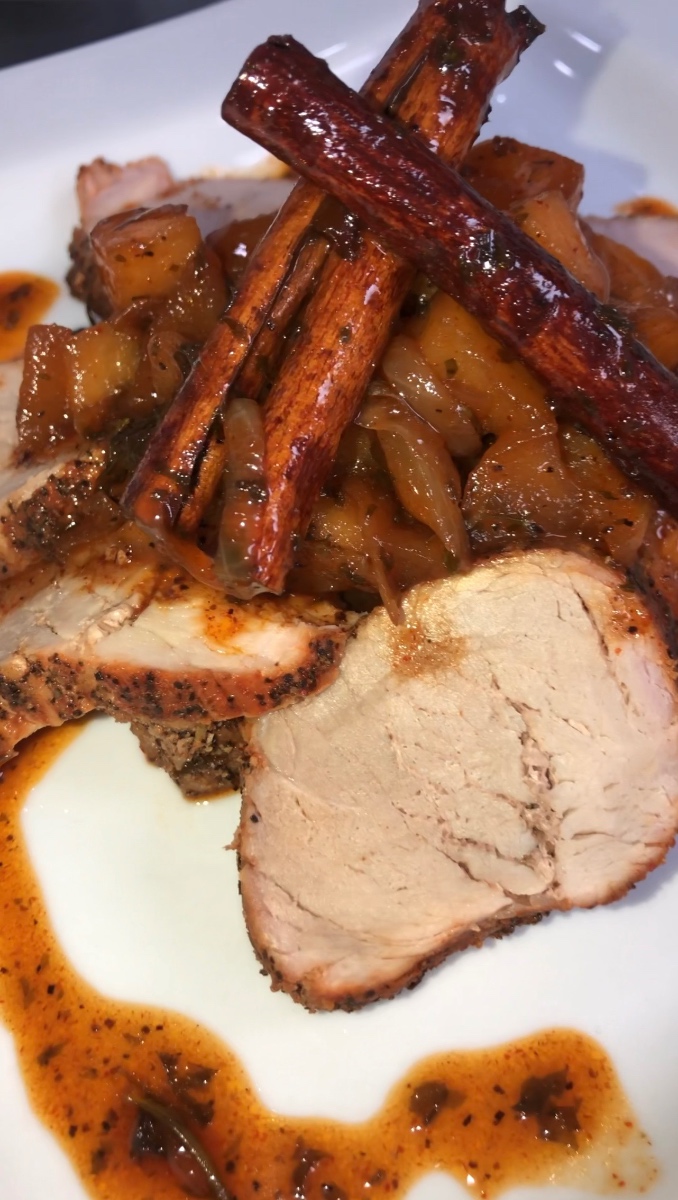
Juicy Pork Tenderloin with Spiced Rum & Apple Reduction
★★★★★ 4.9 (14 Reviews)Tenderloin is the cut that suffers most from the old rule — lean, quick-cooking, and with no fat to disguise fifteen extra degrees. Pairing it with a rum and apple reduction also means you're building a pan sauce while the meat rests, which is exactly what those three minutes are for.
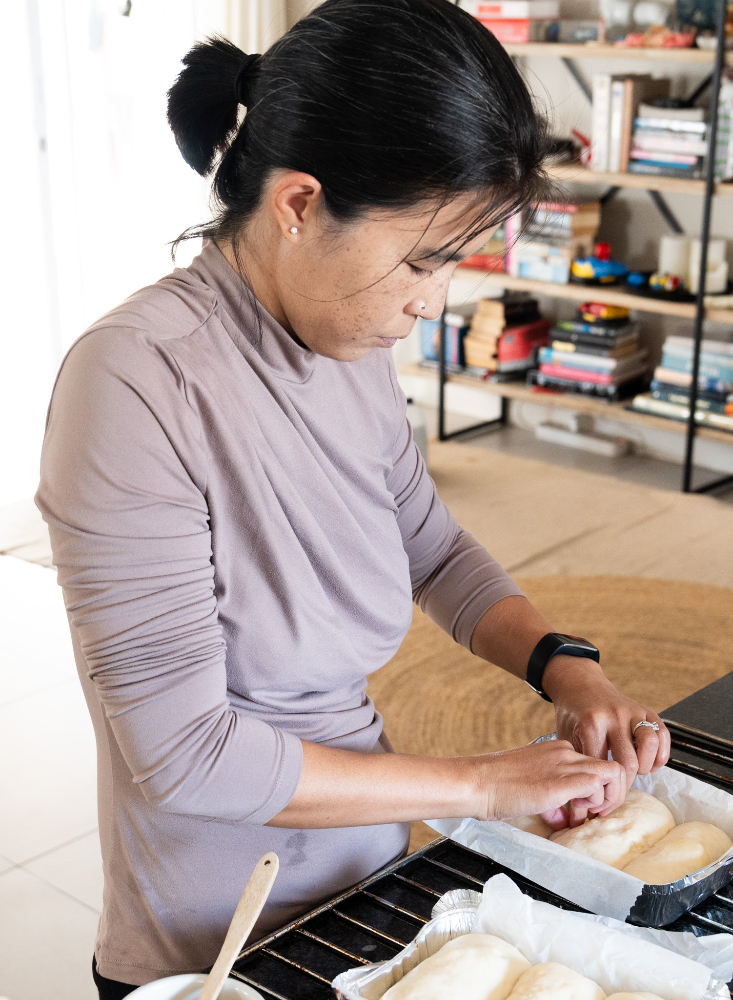
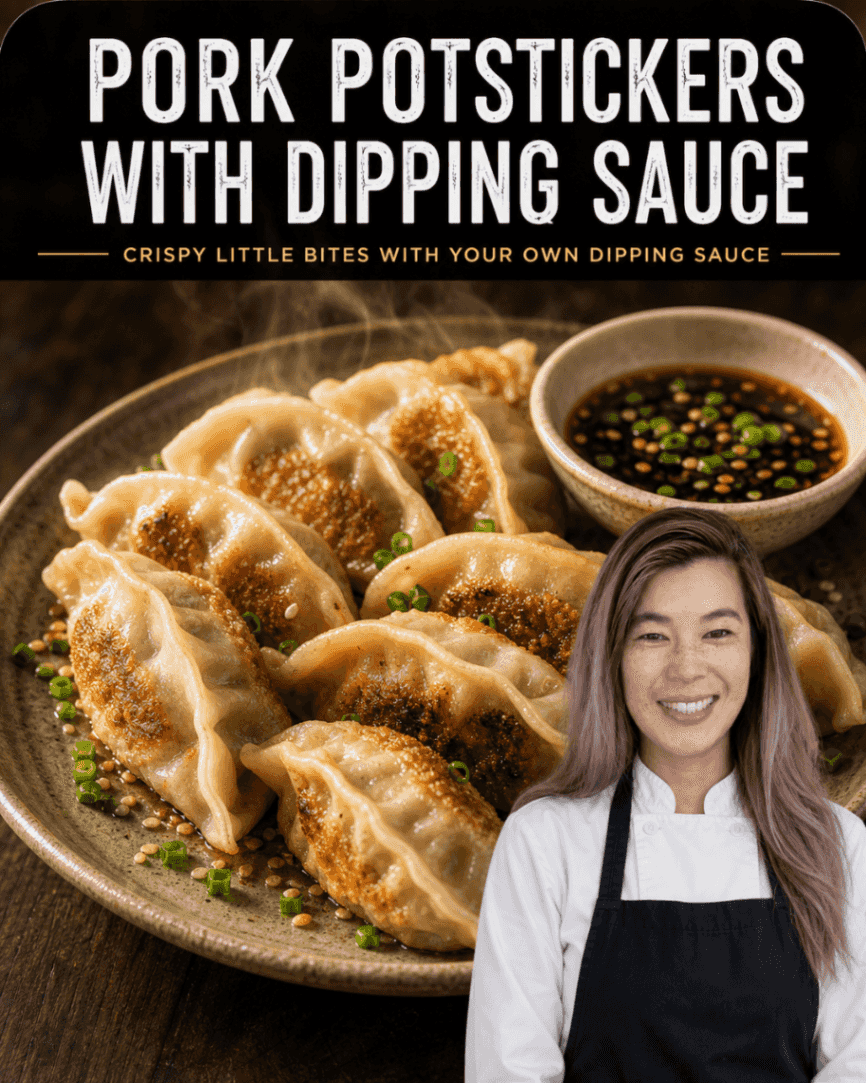
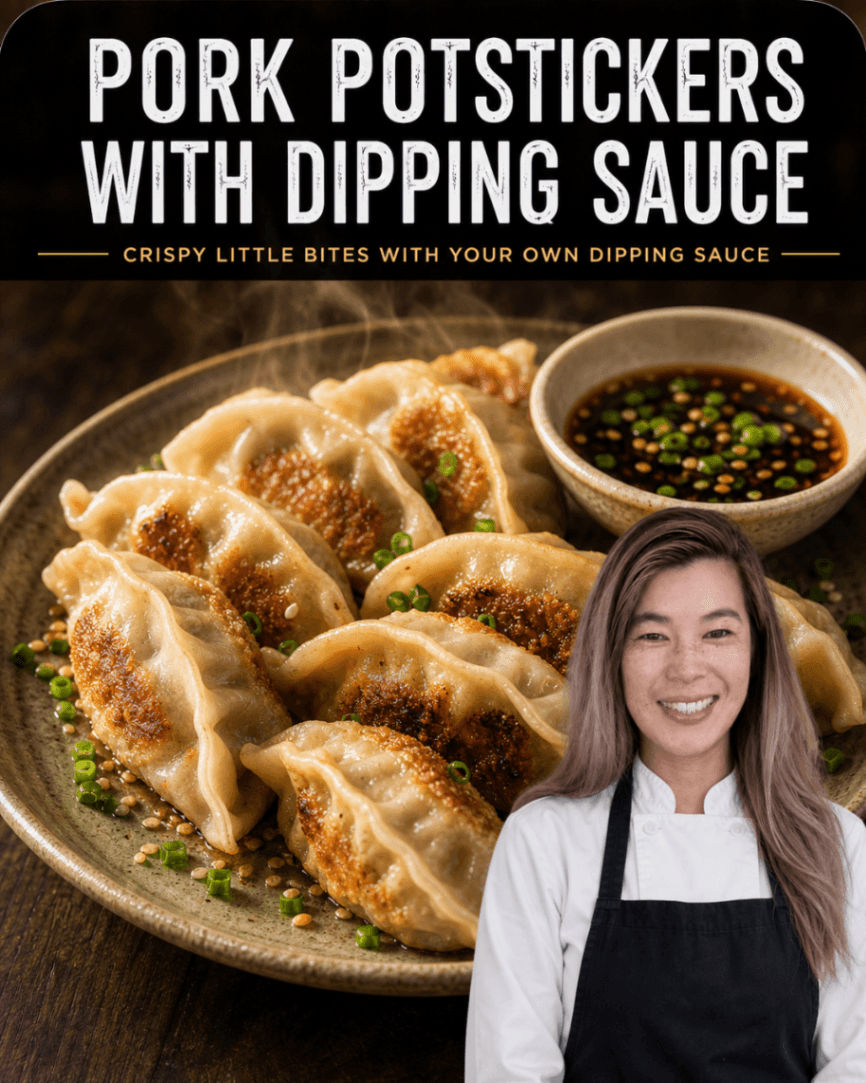
Pork and Cabbage Pot Stickers with Dipping Sauce
★★★★★ 5.0 (3 Reviews)Minced pork sealed inside dough is the hardest doneness call in home cooking — nothing to look at, no colour to read. Her class also covers the filling technique that makes or breaks a dumpling: cabbage finely chopped, salted, and the liquid squeezed out after fifteen minutes.
Thai Classics: Tom Yum & Panang Curry Beef
★★★★★ 5.0Beef is where 145°F was already the standard before pork joined it in 2011 — so this is the class that shows what pork was being held apart from. A simmered curry takes the meat well beyond 145°F by design, which is itself a useful lesson: safe temperature and target temperature aren't always the same number.
The 165°F Number, Too
Poultry didn't change — it's still 165°F, whole or ground. Mackaeda's Smoky Pepper Chicken Skewers with Jollof Rice runs 60 minutes at $30 group ($60 private), 4.9★ from 14 reviews.
Chicken Skewers — $30 group All chicken classesMore reading: our guide to shrimp and grits covers another dish where doneness is the whole game. Browse the culinary category, pork classes, the host directory, private sessions, group classes, current offers, member reviews, or the blog. Teams can cook together via P2Bridge for Teams, and you can become a host.
Questions people ask
Is pork really safe at 145°F?
Yes, for whole cuts, with a three-minute rest. USDA lowered the recommendation from 160°F on 24 May 2011, bringing pork into line with beef, veal and lamb. Trichinella, the parasite behind the old rule, is killed at 137°F, so 145°F carries a comfortable margin — and modern indoor pig farming has made it a marginal risk in commercial pork anyway.
Why does ground pork still need 160°F?
Because grinding changes where the bacteria are. A whole cut carries them on the surface only, and searing kills them there. Grinding distributes that surface contamination through the entire mass, so all of it has to reach a safe temperature. It's the same reason ground beef needs 160°F while a steak can be served rare. Ground meat needs no rest time.
Is pink pork safe to eat?
Yes, if it reached 145°F and rested three minutes — USDA says so explicitly. Colour is an unreliable doneness indicator: it's affected by the animal's age and diet, the meat's pH, whether it was frozen, and any curing. A thermometer is the only dependable test.
Why does the meat need to rest for three minutes?
The rest is part of the safety standard, not a serving nicety. During those three minutes the internal temperature holds or continues to rise, and that sustained period completes pathogen reduction. It's the same rest interval federally inspected meat plants rely on. Without it, 145°F isn't the equivalent of the old 160°F.
What temperature should pulled pork be?
195–205°F, but that's about texture rather than safety. Pork shoulder is technically safe at 145°F and completely unshreddable there — collagen only converts to gelatin well above any safety threshold. Two separate questions apply to every cut: is it safe, and is it good. For shoulder those answers are about fifty degrees apart.
Does this apply to wild boar?
No. The change rests on modern commercial farming — indoor housing, biosecurity, controlled feed. Wild boar and feral hog have had none of that and remain a genuine trichinella risk, so cook wild pork to 160°F. The same caution applies to bear meat.
Where should I put the thermometer?
In the thickest part of the cut, avoiding bone, fat and gristle, all of which read differently from the surrounding meat. On a thin chop, insert from the side so the tip sits in the centre. Start checking before you expect it to be done, and clean the probe with hot soapy water between uses.
Why does restaurant pork taste better than mine?
Often just the temperature. The FDA permitted 145°F for around a decade before USDA followed in 2011, and professional kitchens were cooking pork that way throughout. The 2011 change didn't introduce a new technique — it formalised what chefs already did. Fifteen degrees is most of the difference.